A city steeped in history, long overshadowed by its great neighbours, which today surprises with its energy and modernity.
Five years after a first visit, Bratislava surprised me. The city seems to have changed pace. More lively, more modern, more dynamic, it now radiates an energy that I had not felt with such intensity during my previous visit.
Just sixty kilometres from Vienna, on the banks of the Danube, the Slovak capital remains a city on a human scale. It is easy to get around on foot, terraces enliven the streets of the historic centre and new neighbourhoods bear witness to a city that is firmly looking to the future.
But behind this apparent simplicity lies a particularly rich European history.
A former royal capital turned provincial city
Bratislava has had several lives and several names. Called Presbourg in German and Pozsony in Hungarian, it belonged to the Kingdom of Hungary for nearly nine centuries.
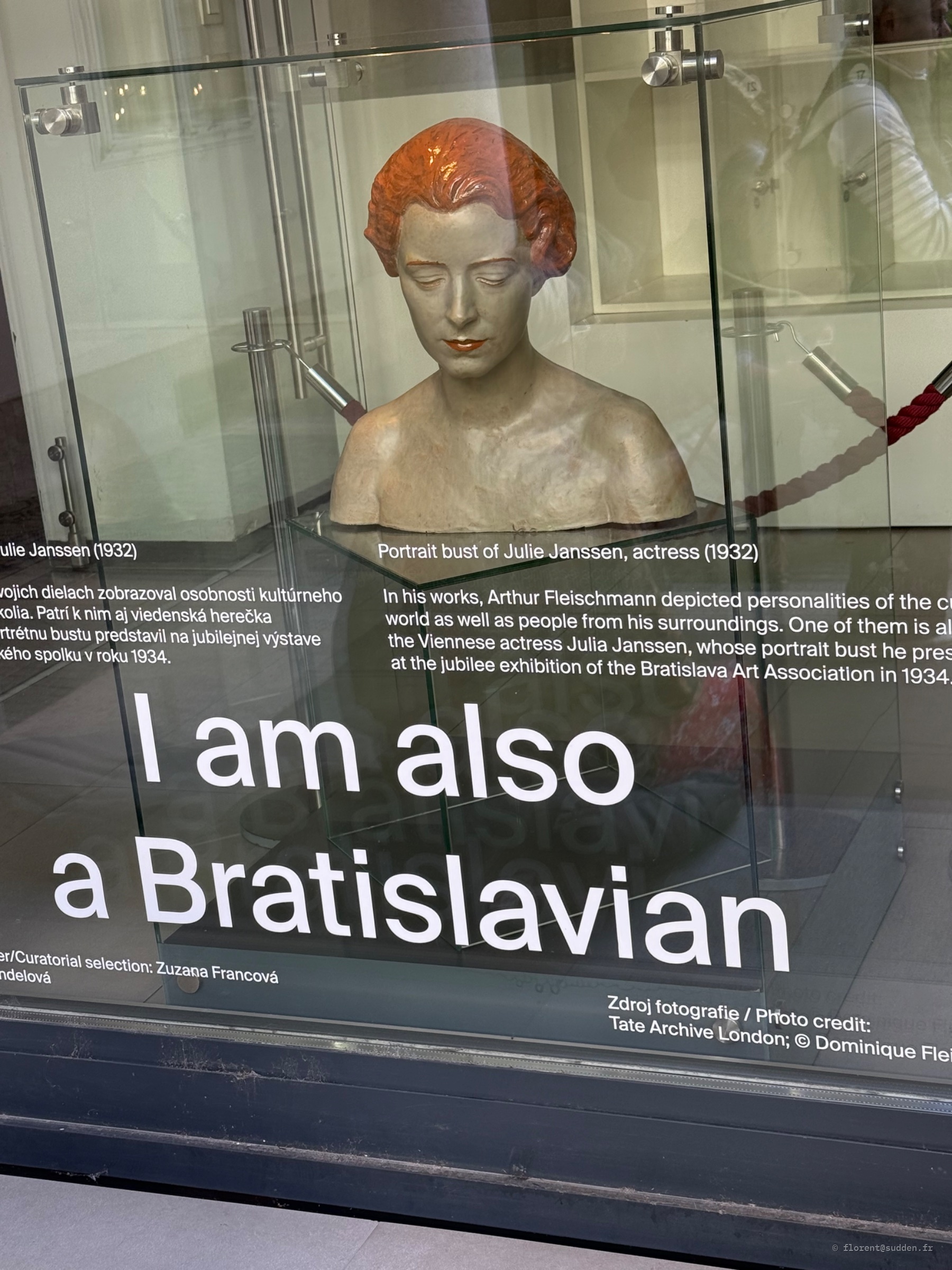
Its past is even more prestigious than one might imagine. Between 1536 and 1783, it was the administrative capital of the Kingdom of Hungary. For nearly three centuries, Saint Martin's Cathedral hosted the coronations of Hungarian sovereigns, including that of Maria Theresa in 1741.
The revolution of 1848 disrupted the region, but did not give independence to the city. From 1867, Bratislava became part of the Hungarian half of the Austro-Hungarian Empire, until the end of the First World War.
In 1918, it joined the new Czechoslovakia and officially took the name Bratislava in 1919. It then lost its former role as a major political city in favour of Prague, although it remained an important centre of Slovakia.
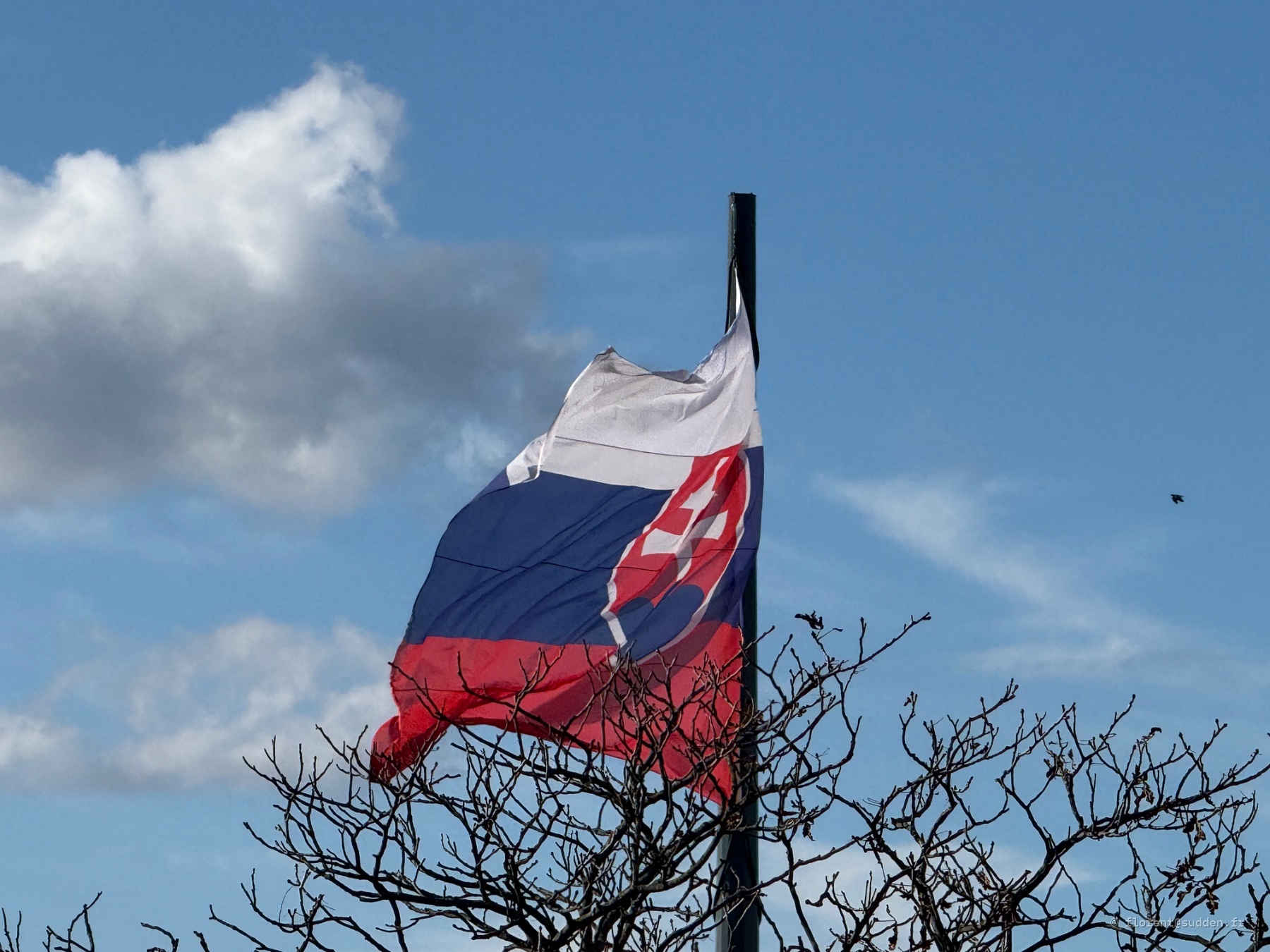
It was not until 1993 and the peaceful separation of Czechoslovakia that Bratislava became the capital of a fully independent Slovak state.
A city that was a capital, became provincial, then regained its rank.
Surprising economic vitality
Today, Bratislava is no longer just a pretty historic city. It has become the main engine of Slovakia's economy.
Its region concentrates more than a quarter of national economic activity. International companies, services, new technologies and universities all contribute to its development.
Its geographical location is a tremendous asset. In close proximity to Austria, Hungary and the Czech Republic, Bratislava benefits from an exceptional position at the heart of Central Europe.
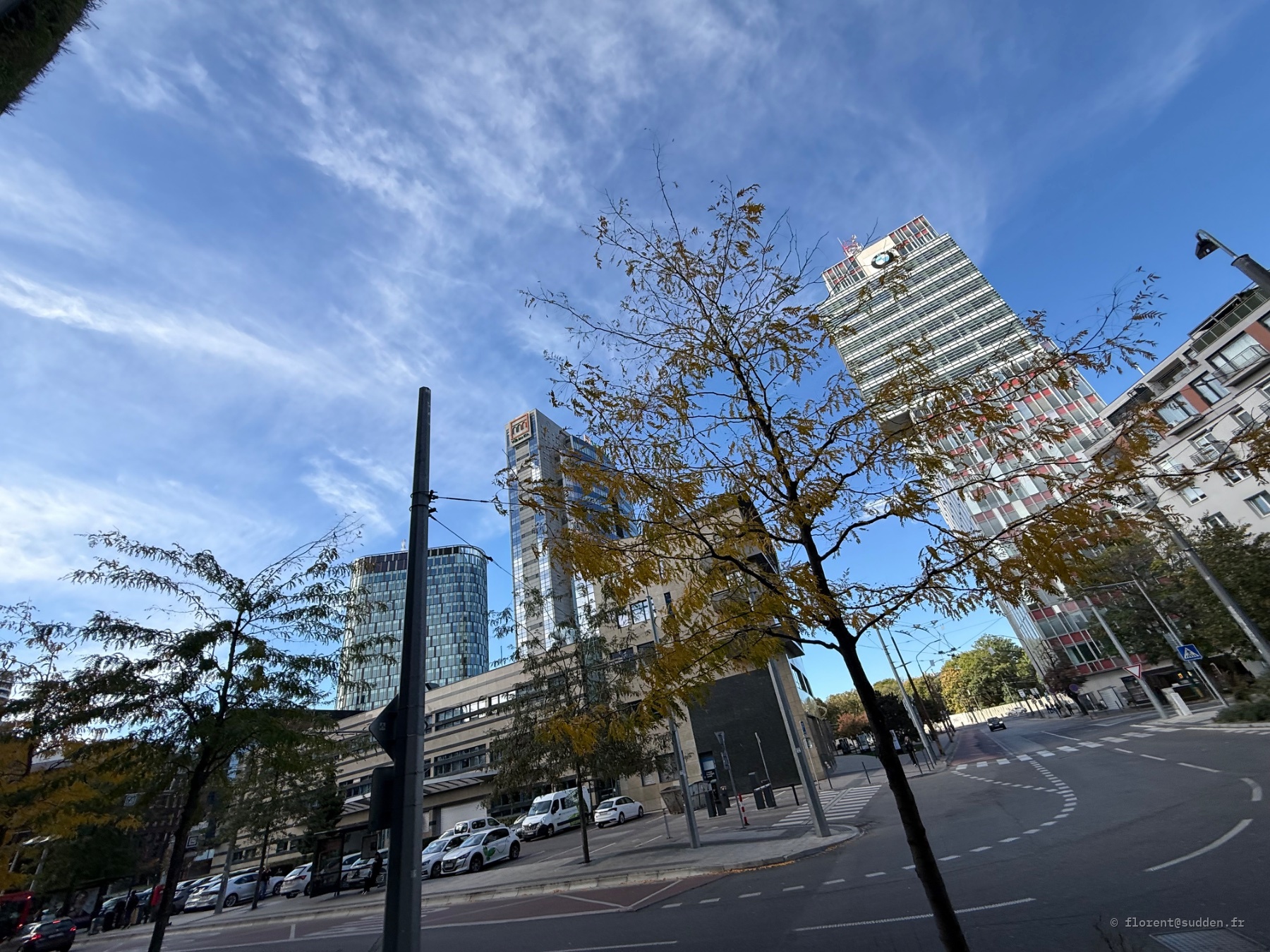
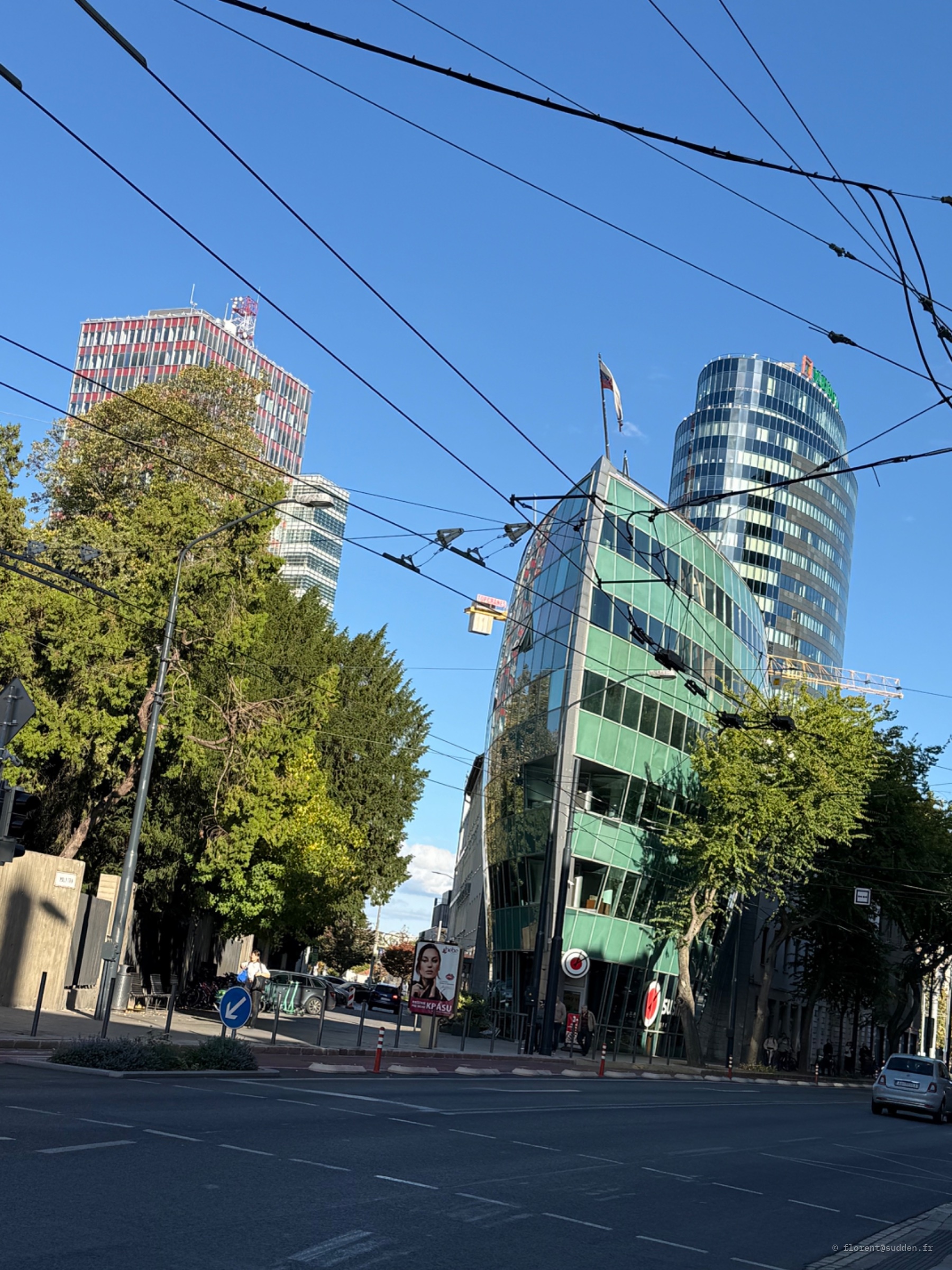
This dynamism is also reflected in the urban landscape. Around the Danube, new buildings, commercial spaces and contemporary promenades rub shoulders with a carefully preserved old town centre.
Of course, this prosperity remains mainly concentrated in the capital region and does not reflect all the country's economic realities.
A city that has found its place
What makes Bratislava endearing is perhaps precisely this mix.
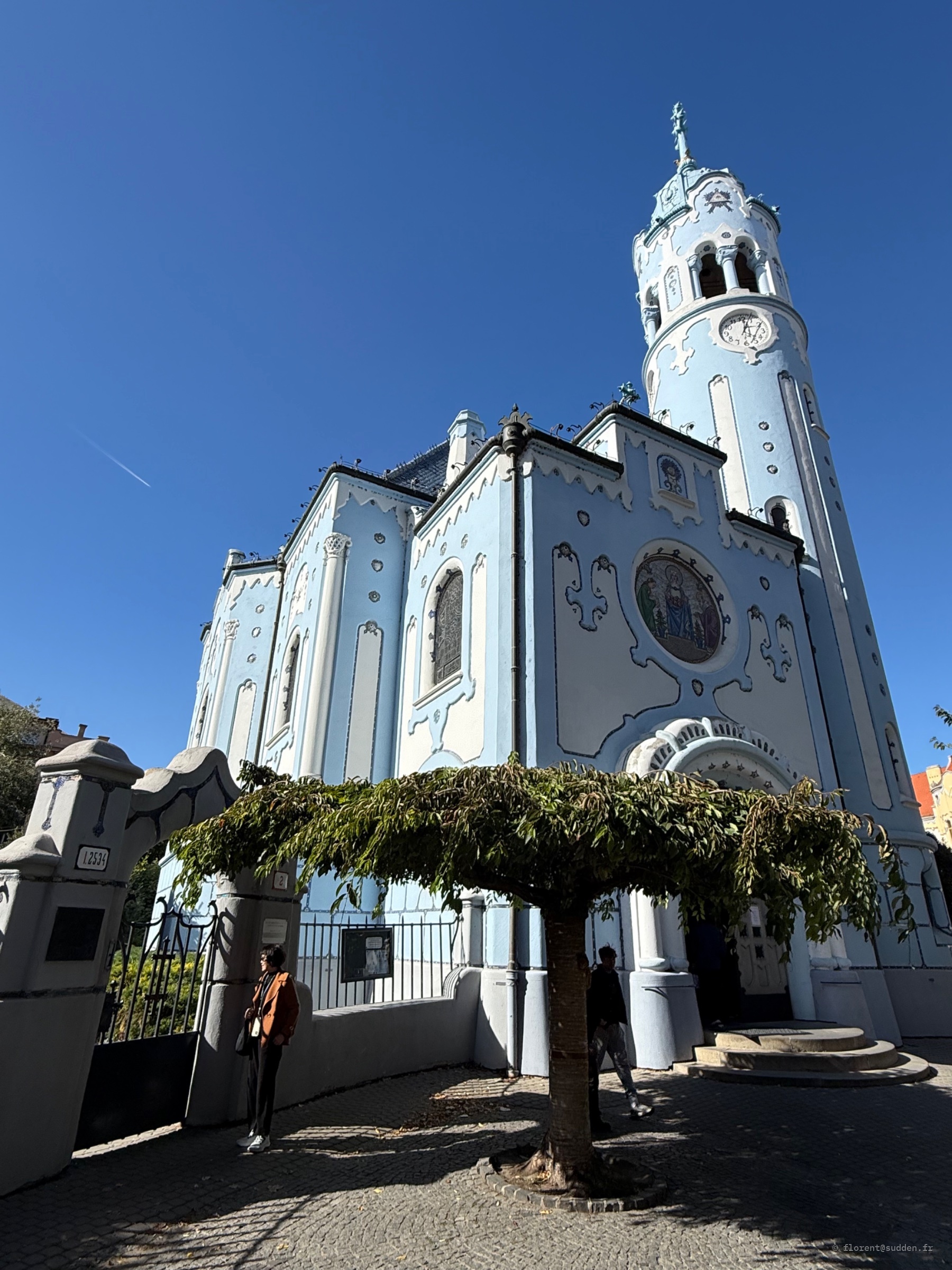
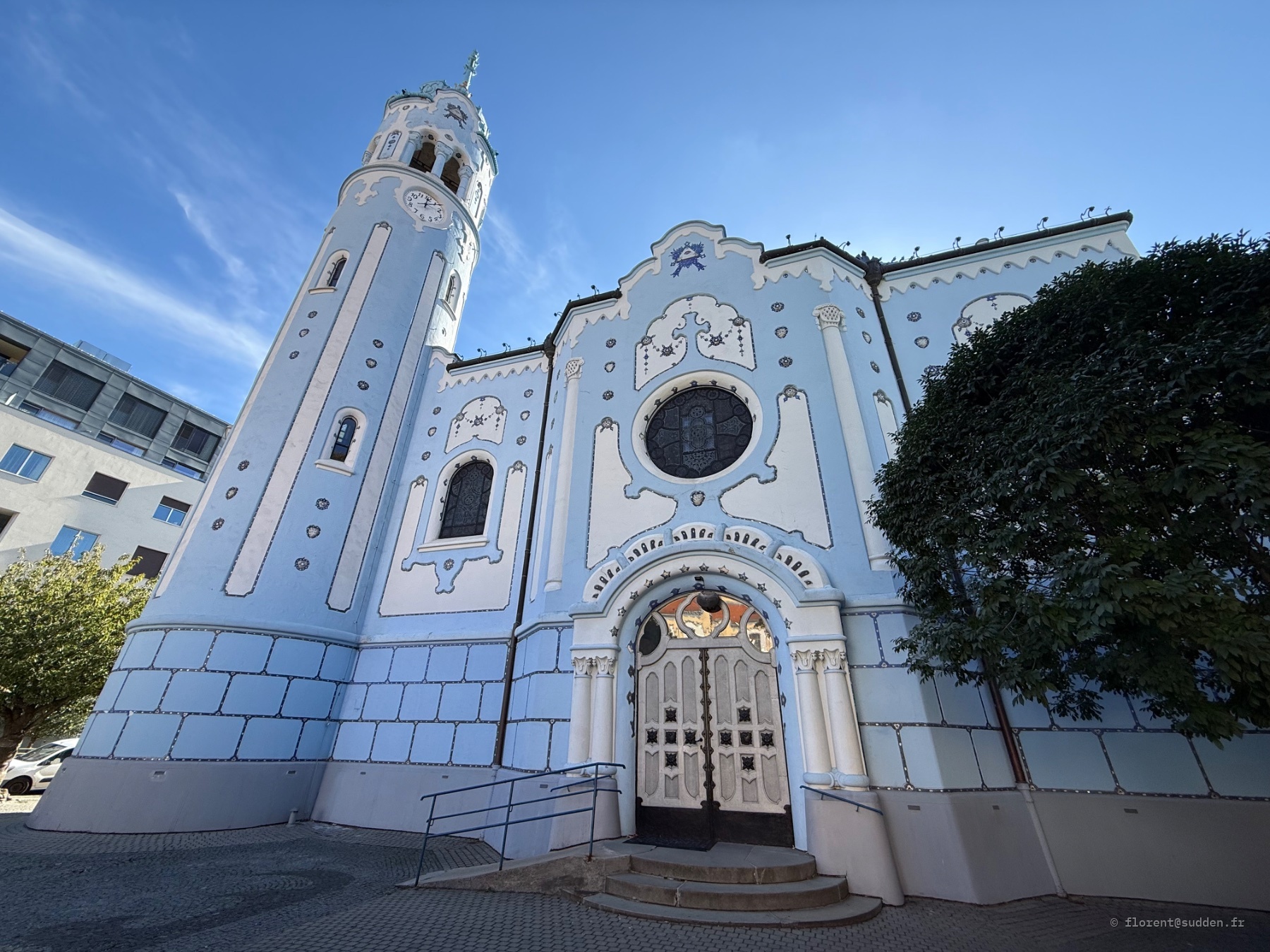
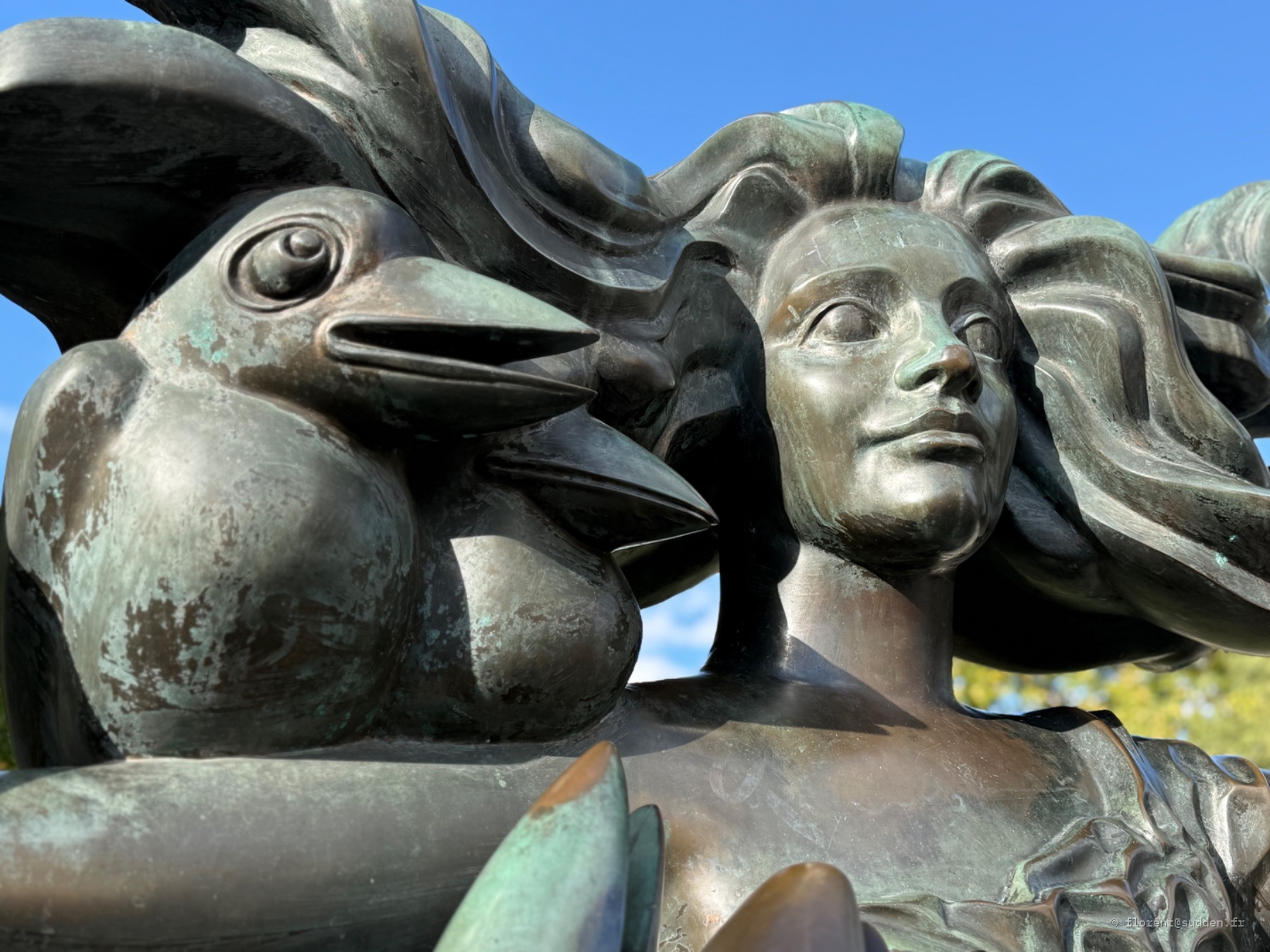
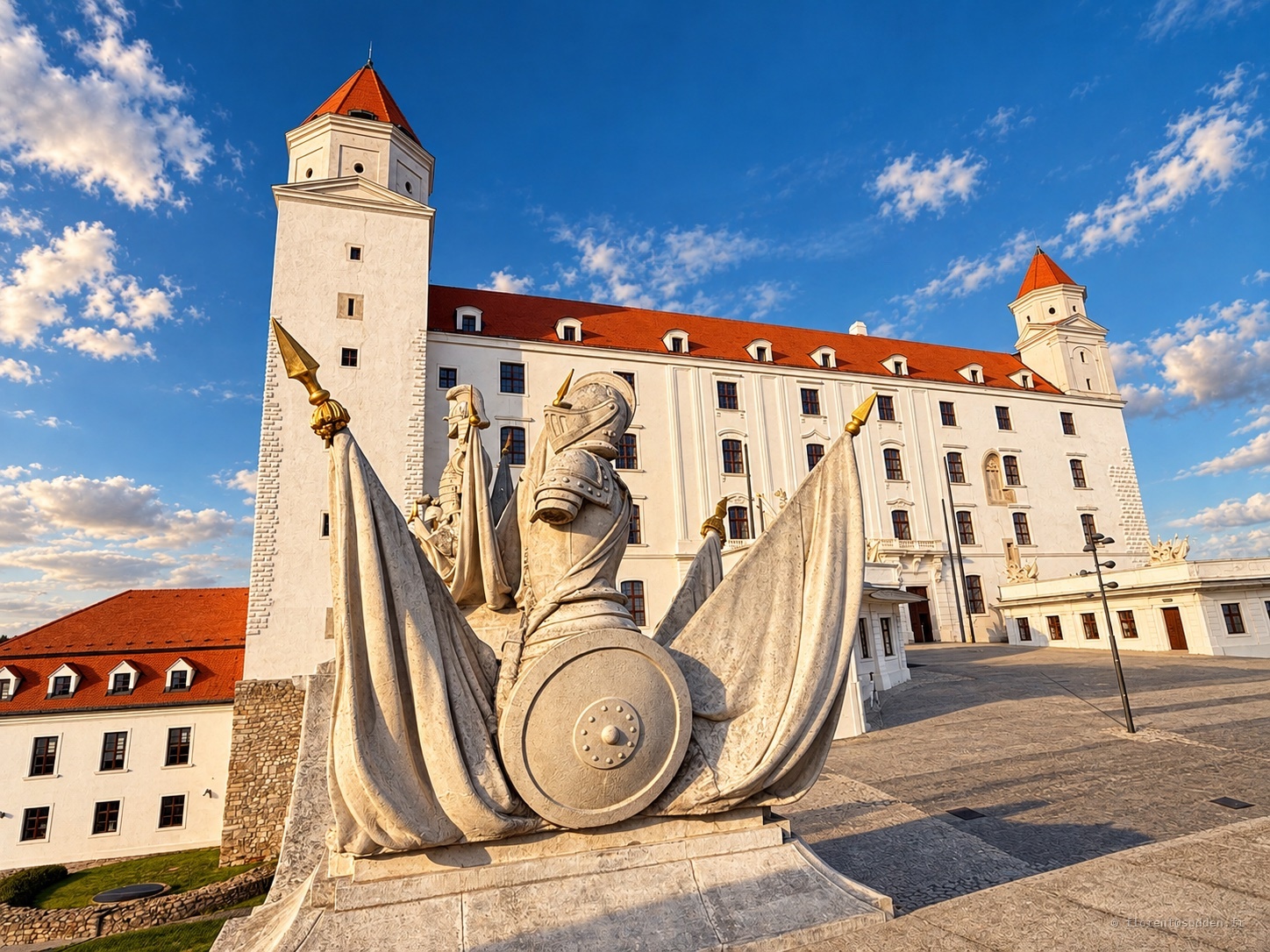
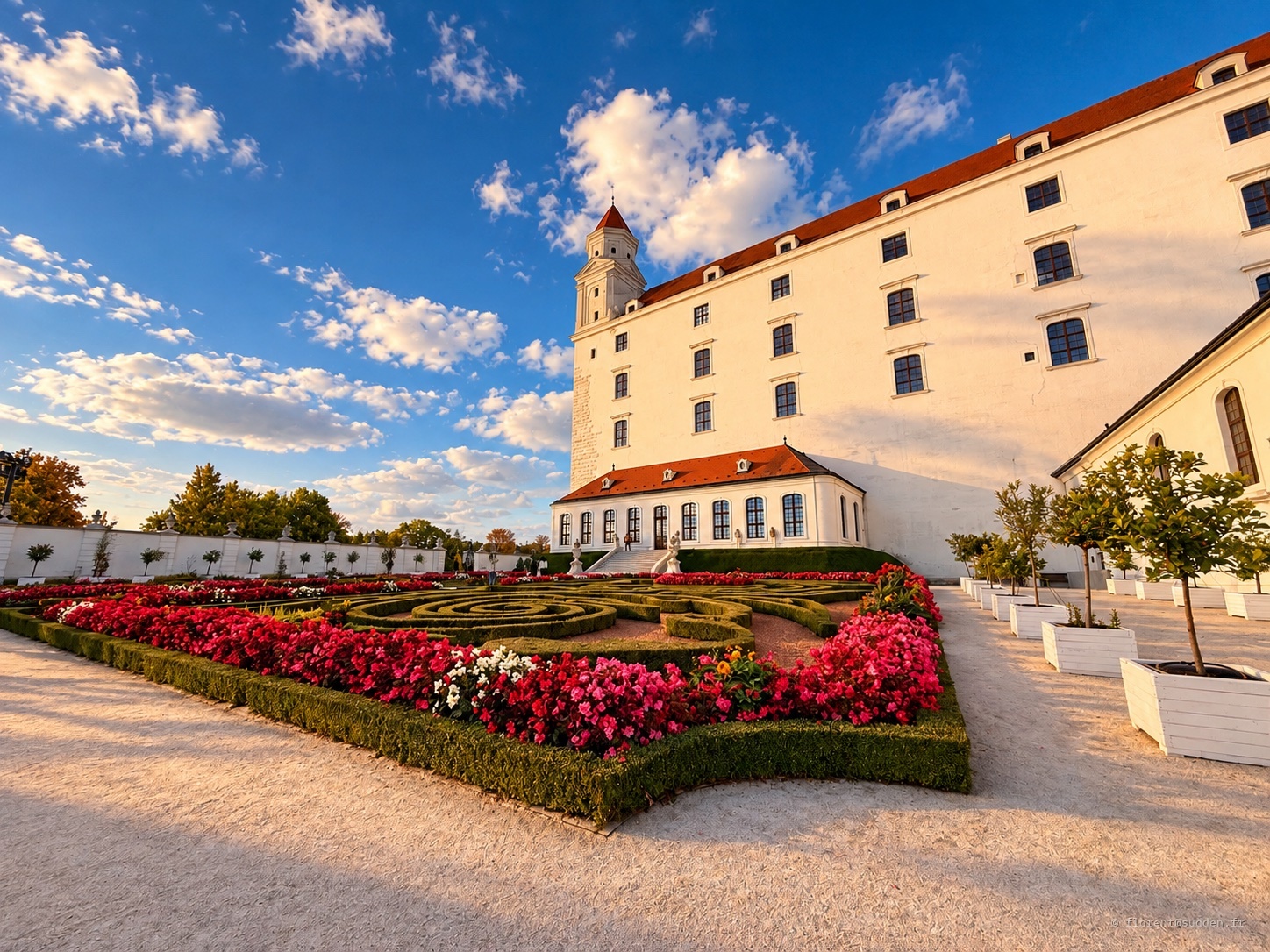
On one side, the cobblestone streets, the pastel façades, the palaces and the castle that dominates the Danube. On the other, a contemporary, young and enterprising city that no longer hesitates to assert its identity.
It does not have the imperial grandeur of Vienna, nor the tourist fame of Prague. And that is perhaps its advantage: Bratislava retains a form of simplicity, an accessible atmosphere and a charm without pretension.
Five years after my first visit, I discovered a capital that seems to have gained in confidence and vitality.
A small European city by its size, but a great city by its history. And certainly one of the pleasant surprises of a trip through Central Europe.