City sampler
Journal / Autriche / Vienne
ATAutriche · Vienne · 11 octobre 2026

Colors of Wien

VilleArchitecture 29 photos
 Belvédère inférieur et Orangerie

Colors of Wien

Vienna, early October.

The light fades, the shadows lengthen, and the city begins to vibrate with colors one didn't necessarily expect.

It's not just the foliage. It's a necklace of contrasts: the gold of a Secessionist ceiling against the blue of a crane, the red of a market fruit against the gray stone of a statue, the pink of a cake against the black of a nighttime façade.

Gold and concrete

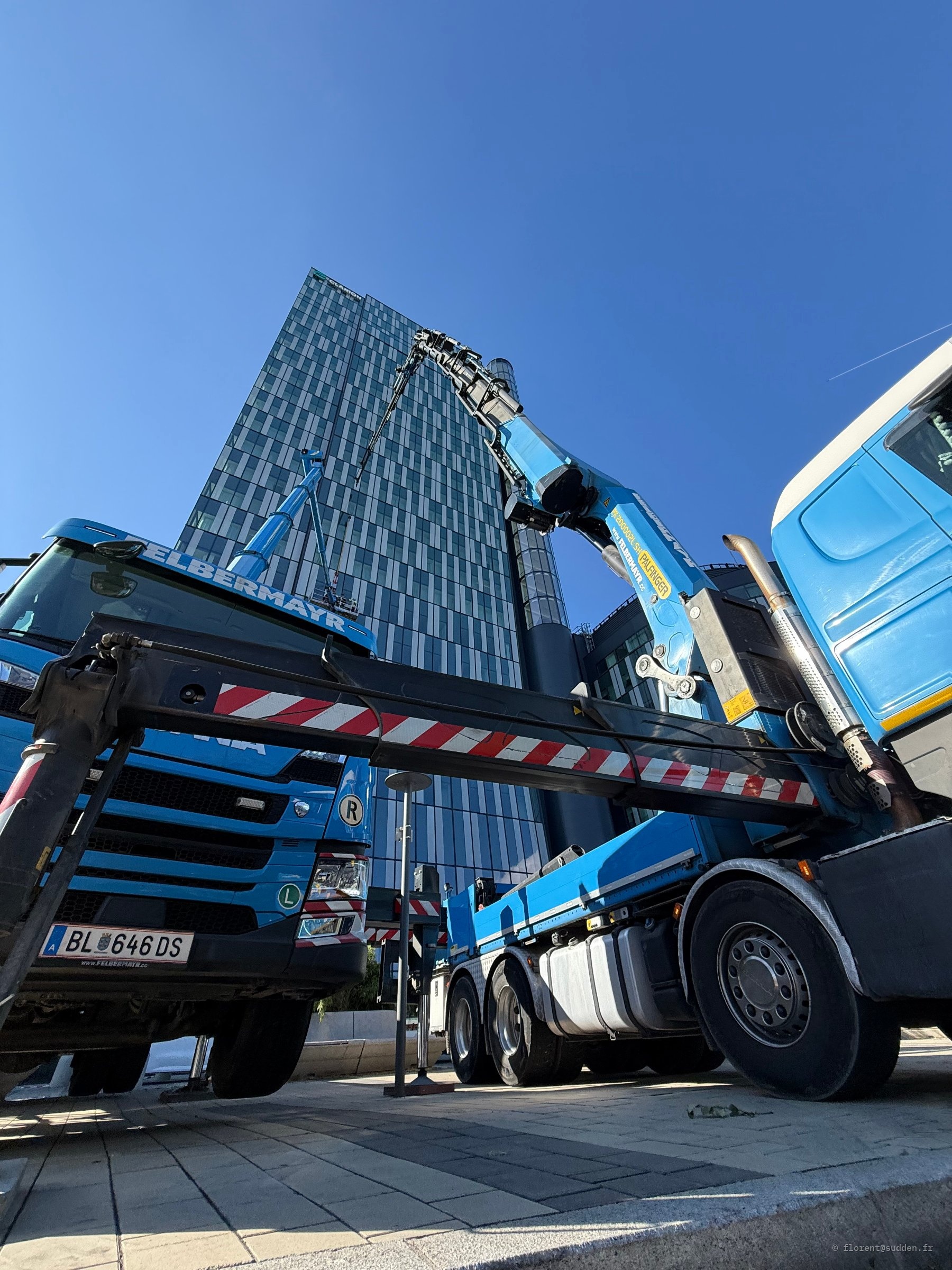
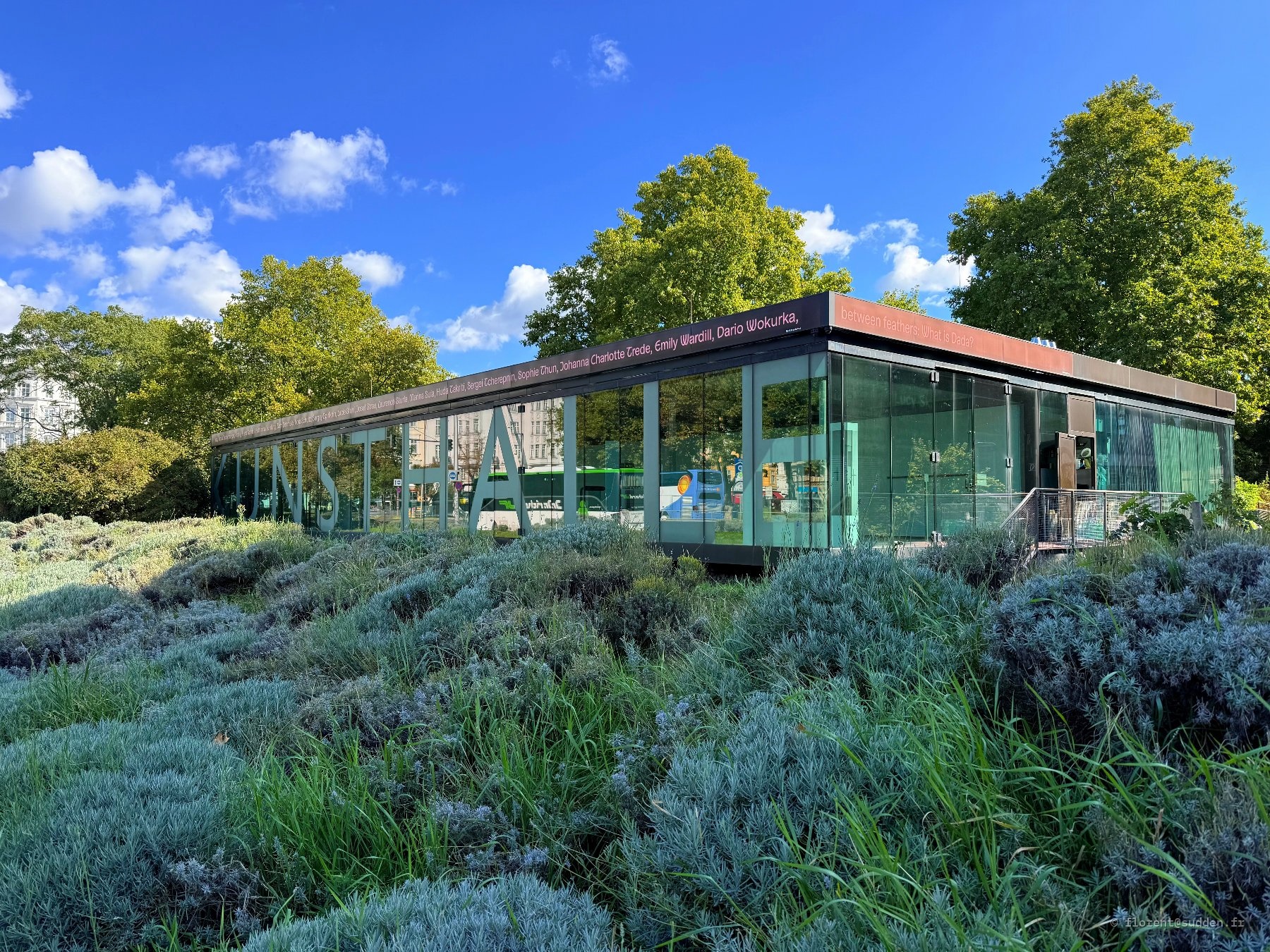
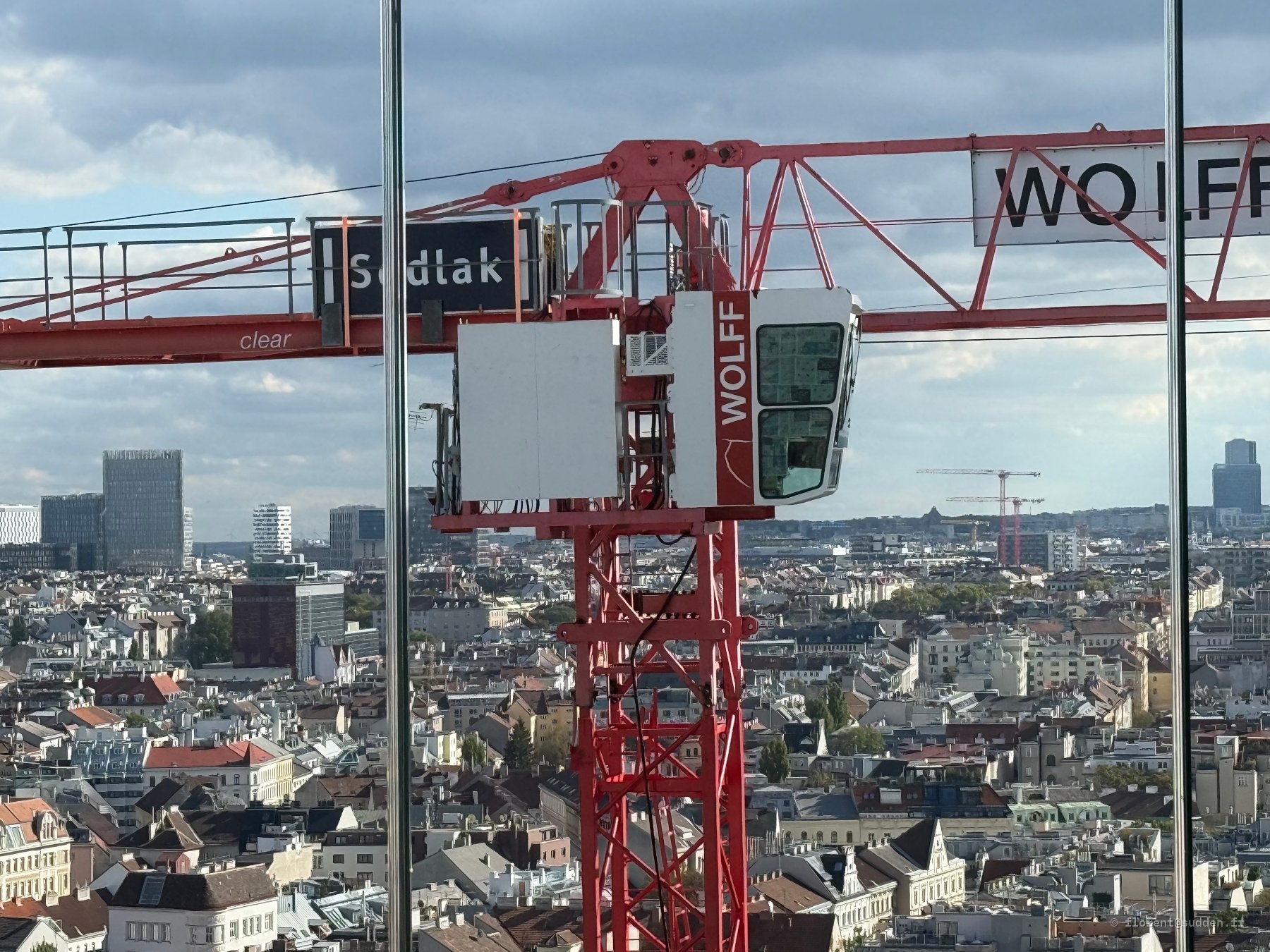
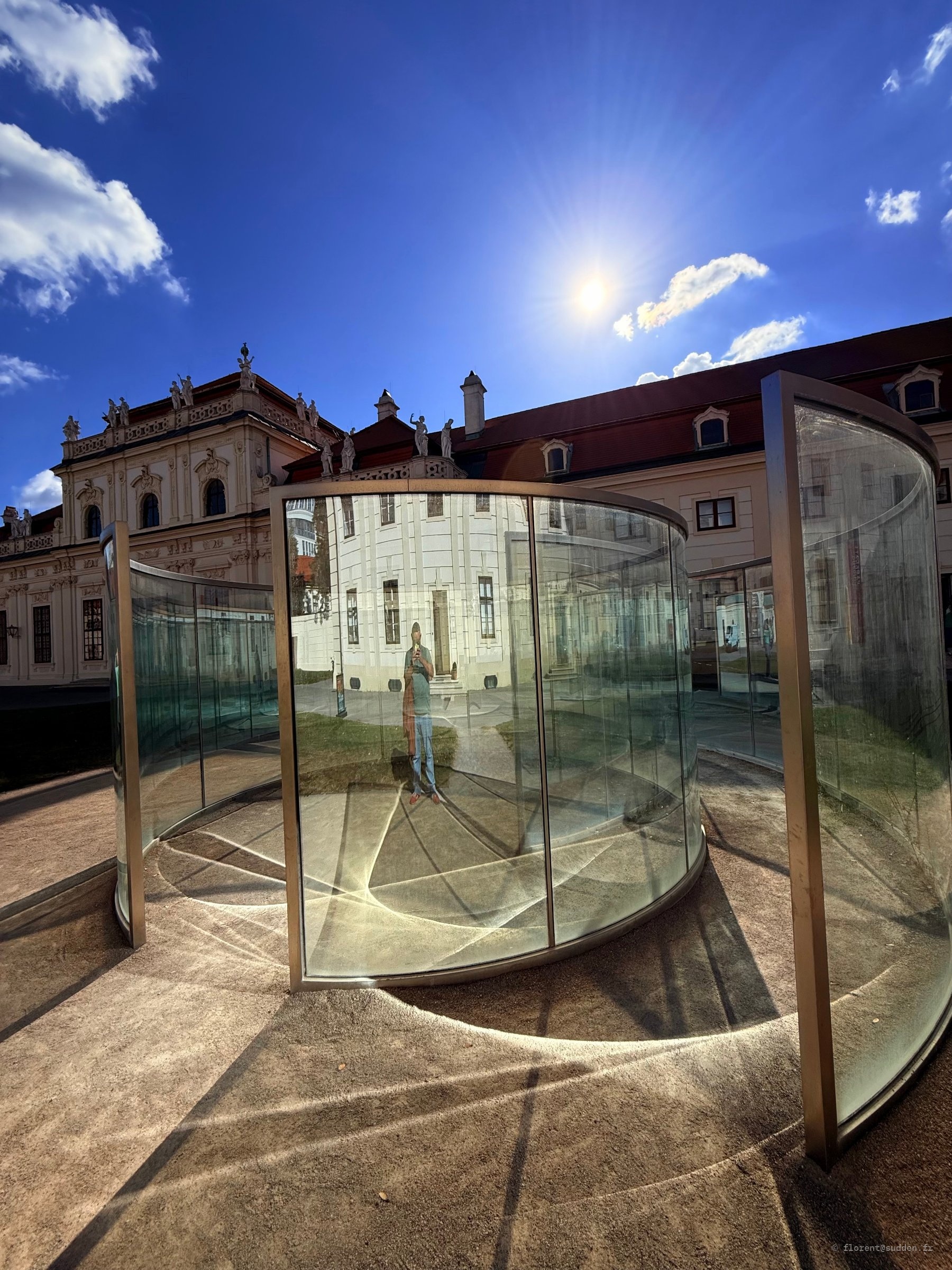
The glass pavilion sits in the grass like an object placed there by mistake. Behind it, trees still green. Further on, the red crane cuts across the sky above the rooftops. Vienna builds, Vienna restores, Vienna continues. Time never stops completely, even when the leaves start to turn.

The market and the table

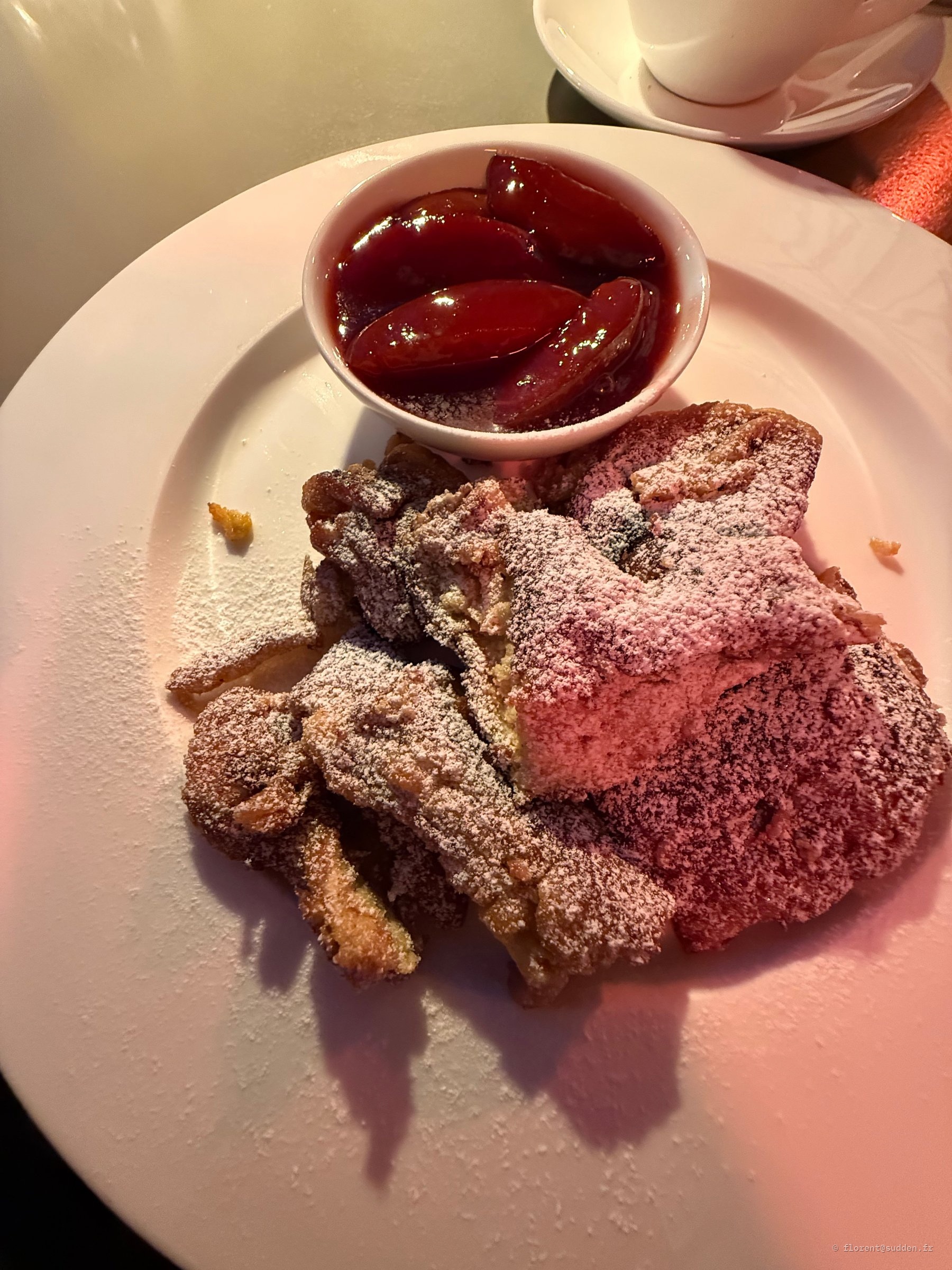
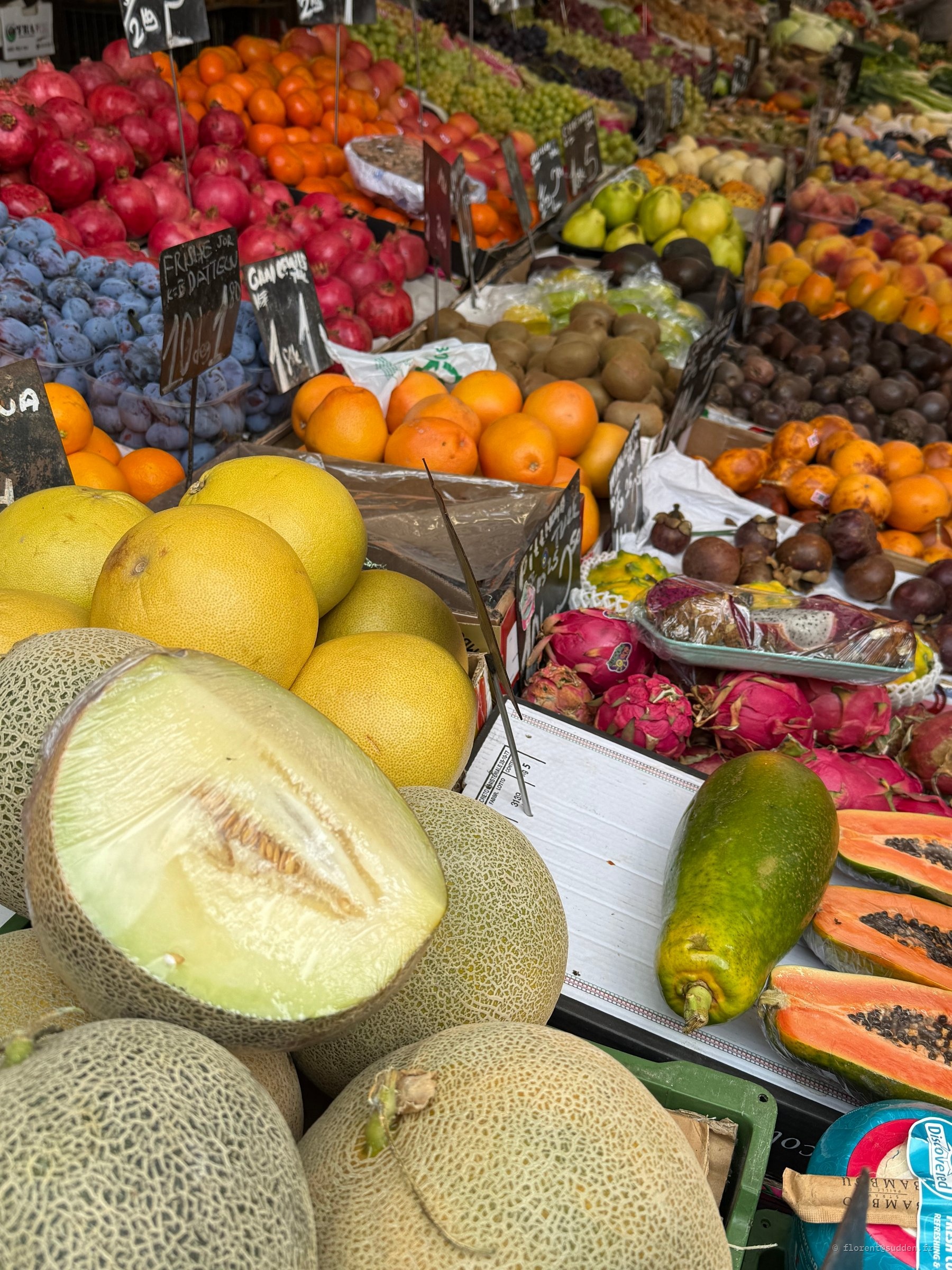
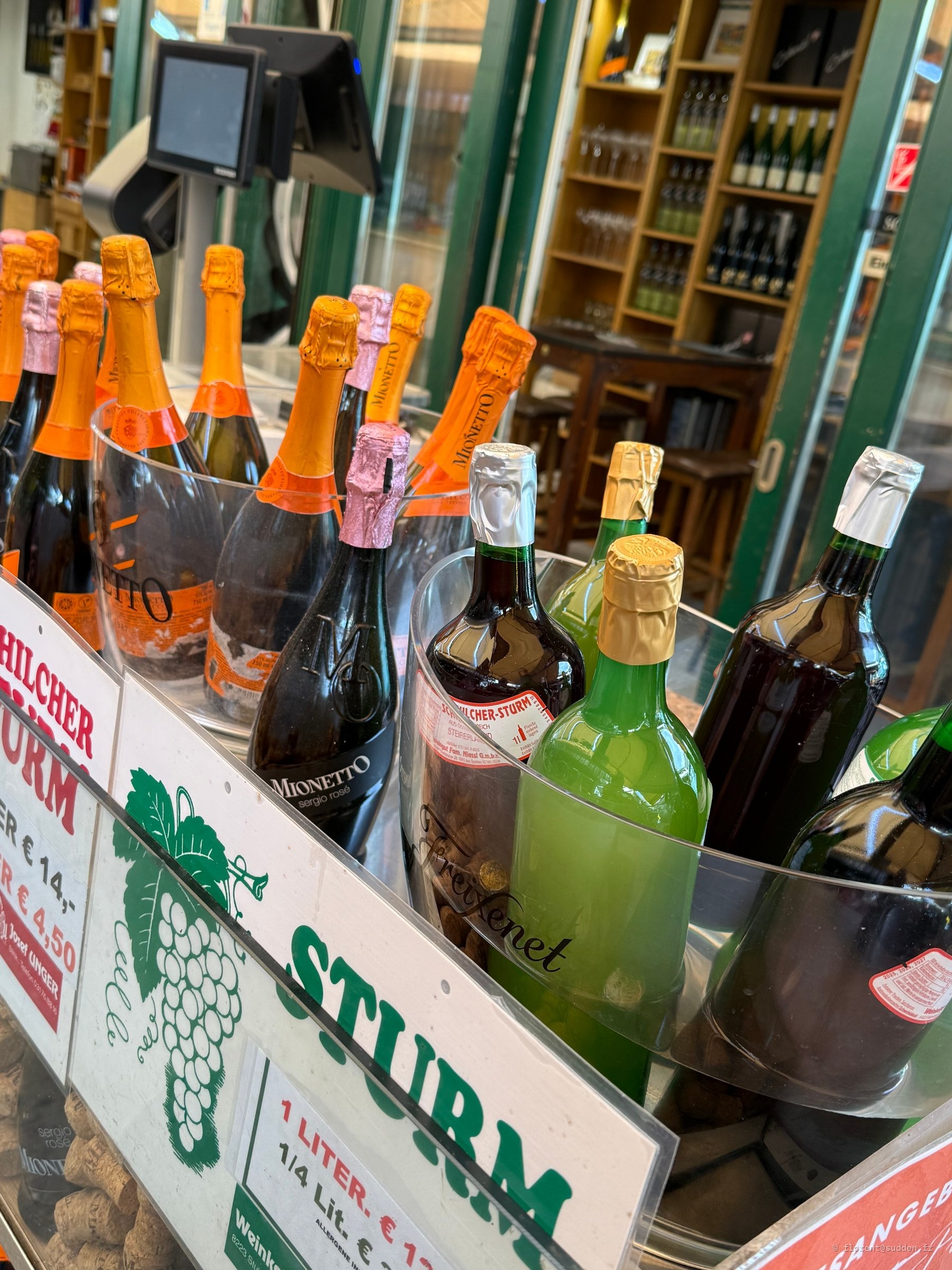
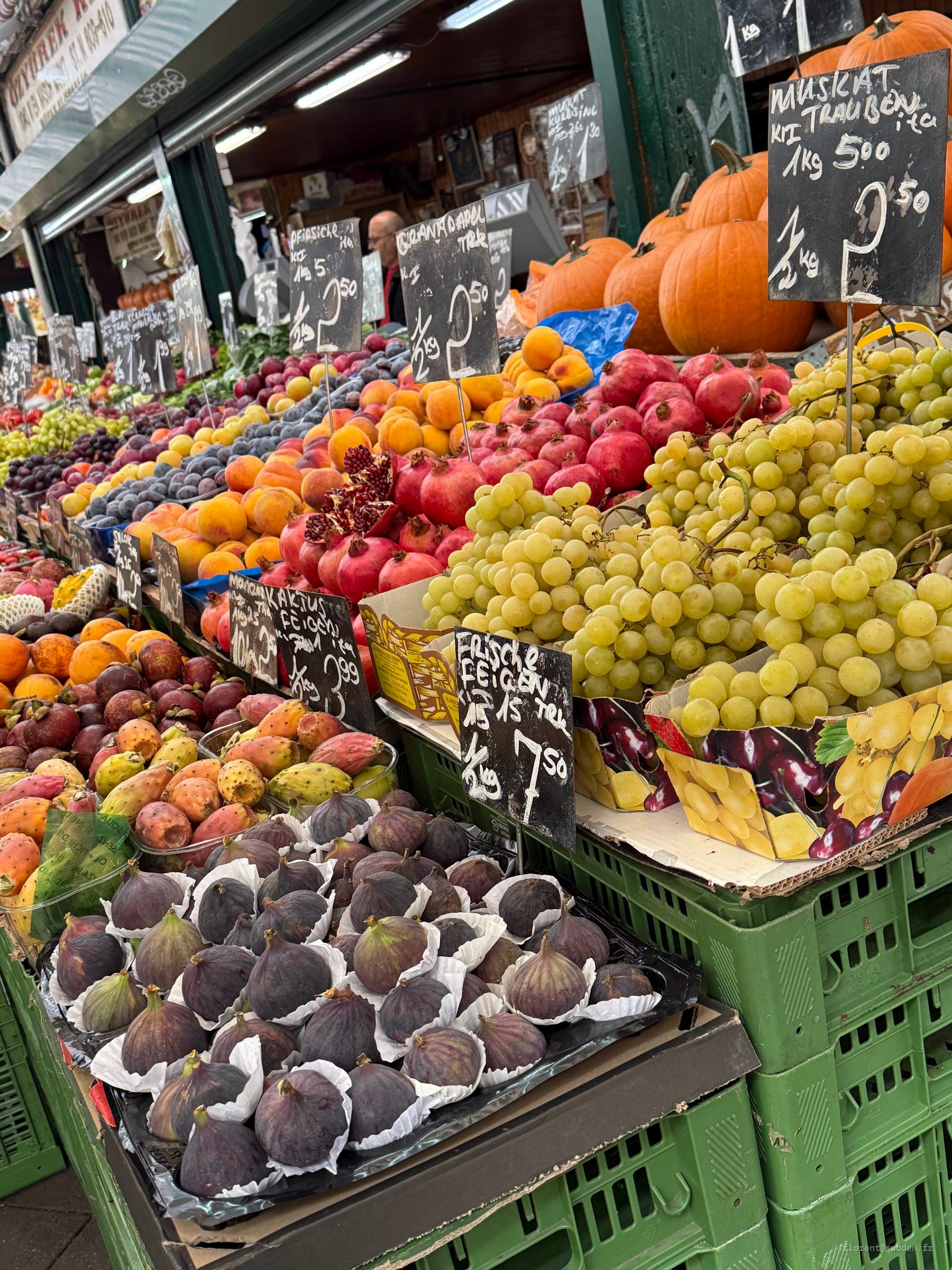
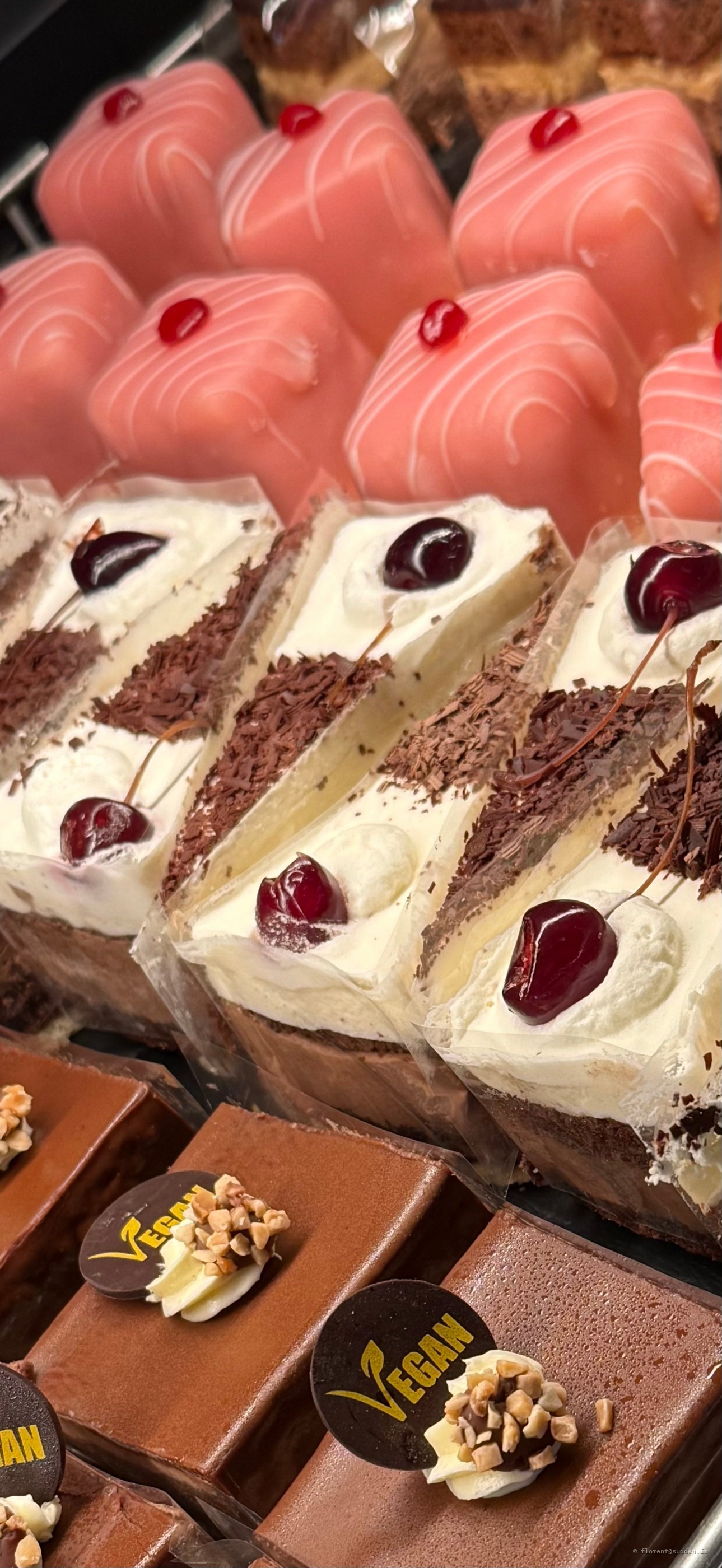
On the stalls, colors burst forth: oranges, melons, grapes, dragon fruit. Wine bottles line up, cakes with cream and cherries wait. A plate of Kaiserschmarrn still warm, drizzled with plum. Here, autumn is eaten as much as it is watched. The city nourishes itself from its own hues.

Art that overflows

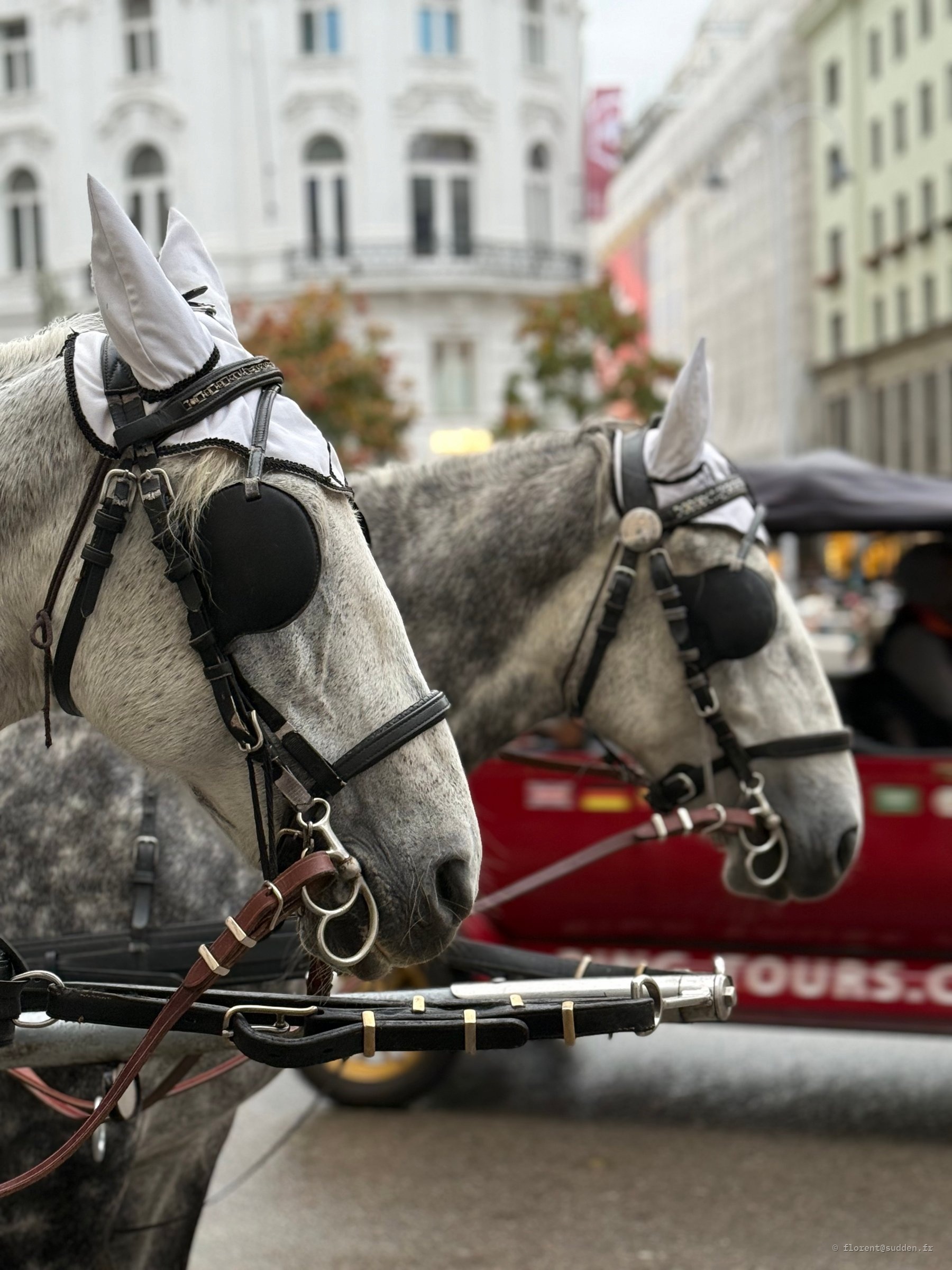
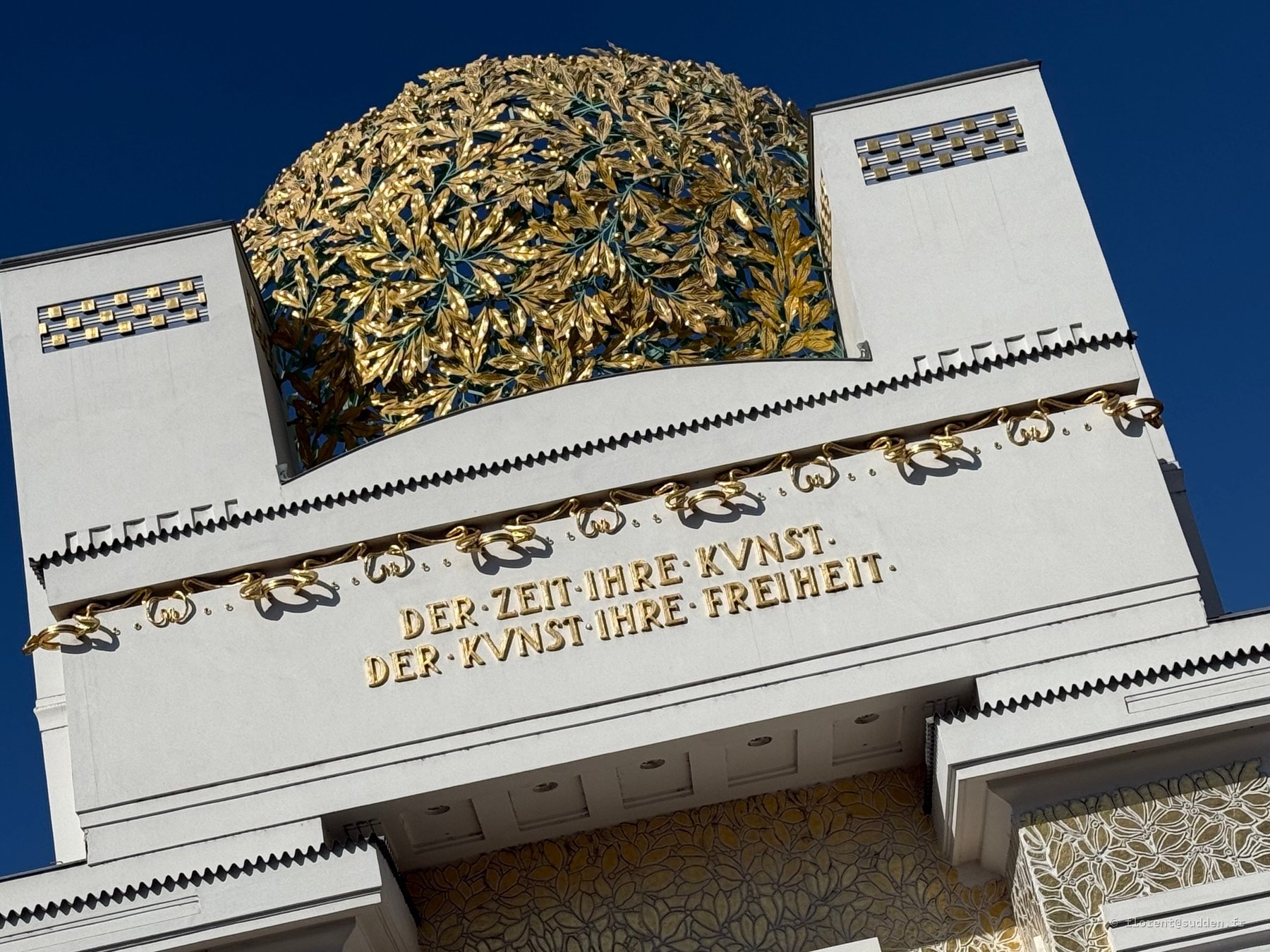
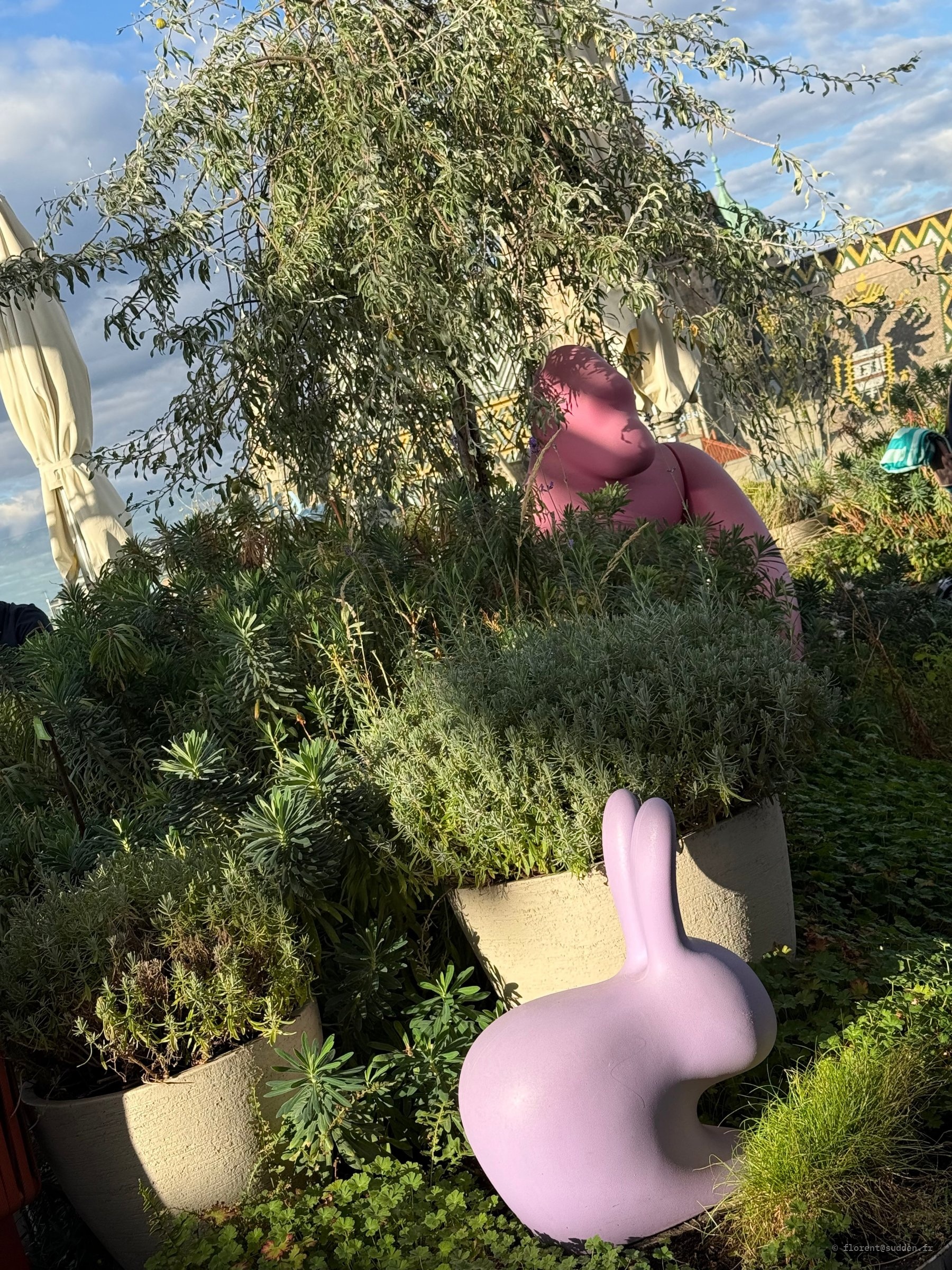
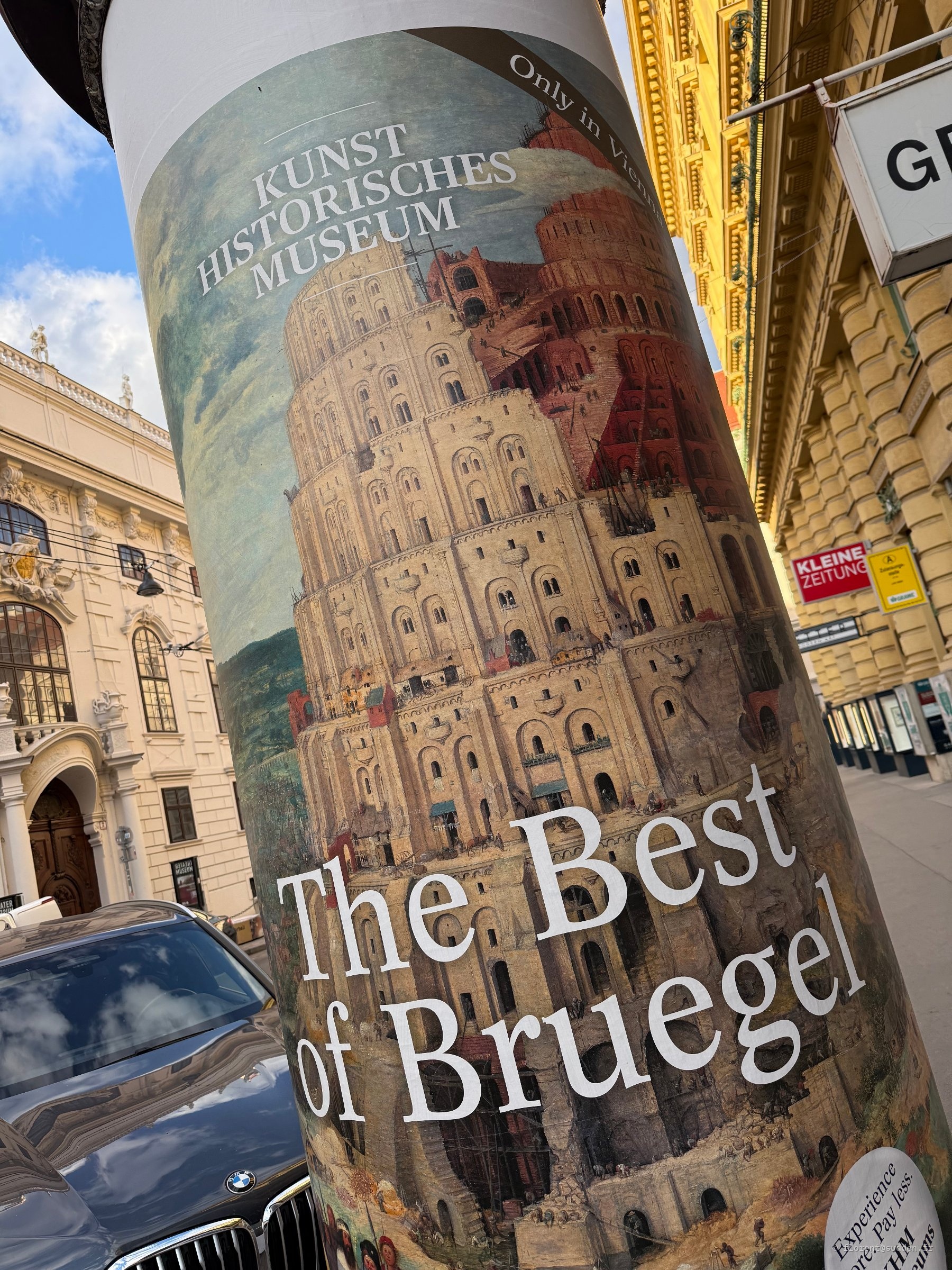
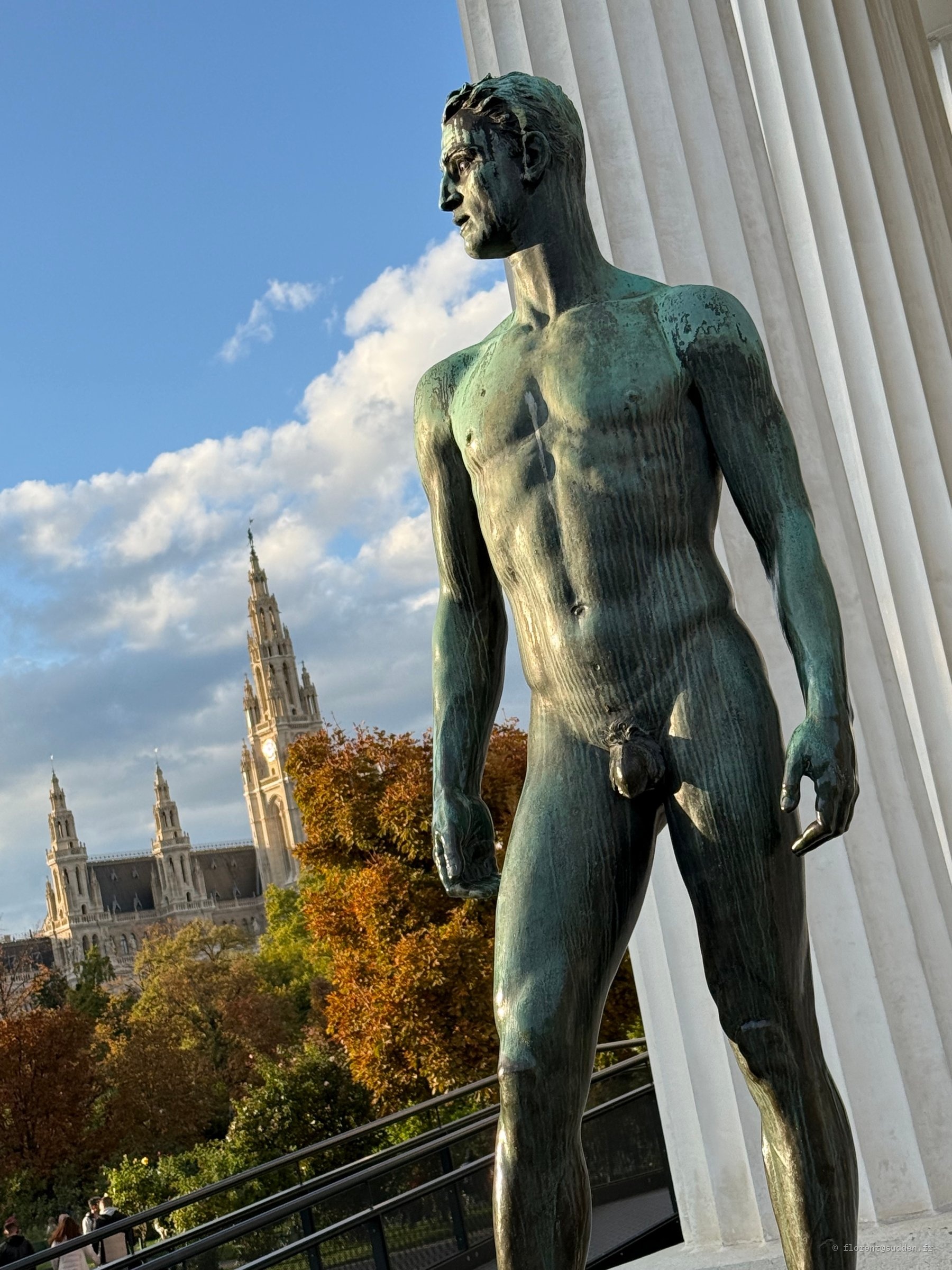
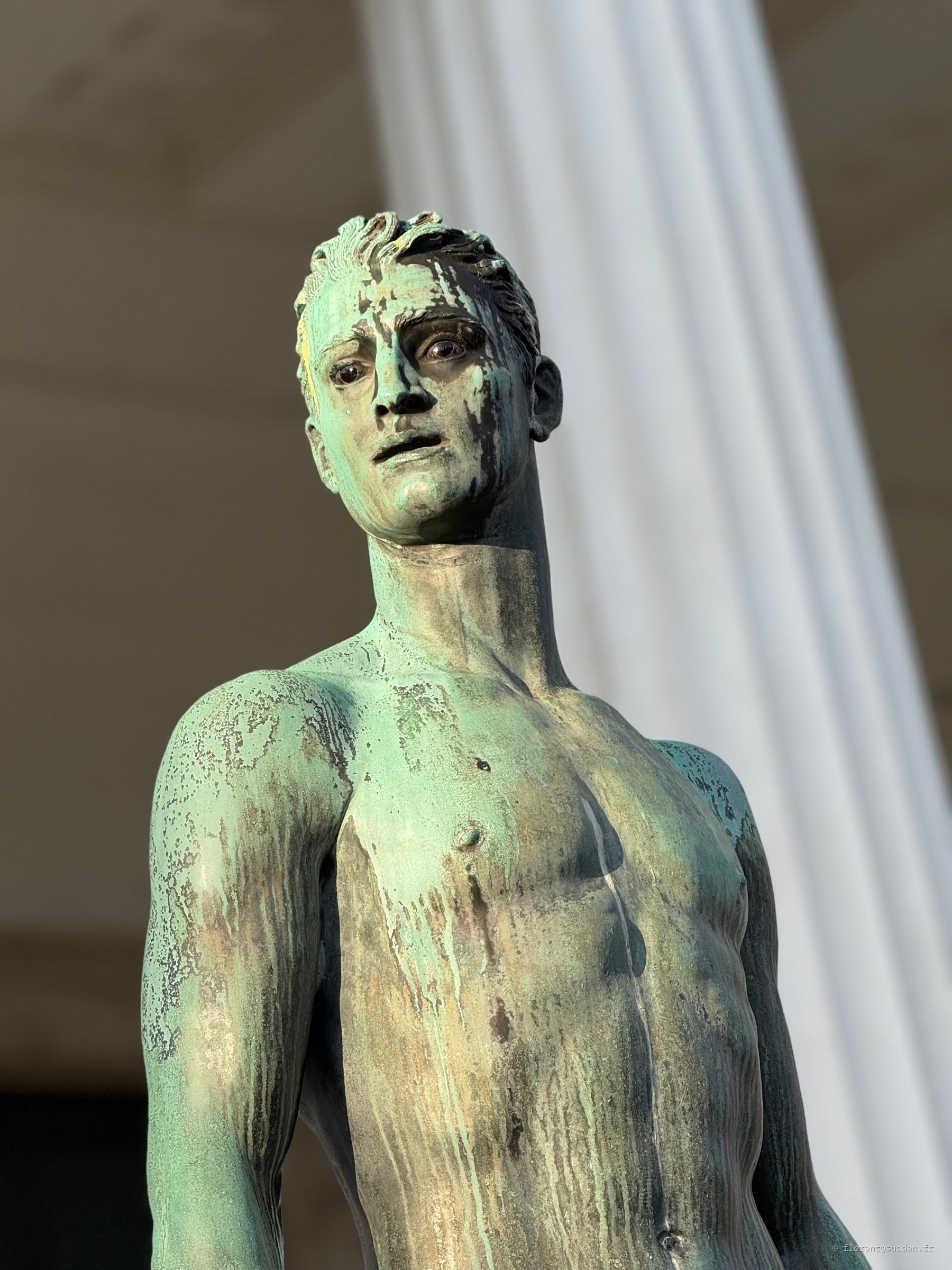
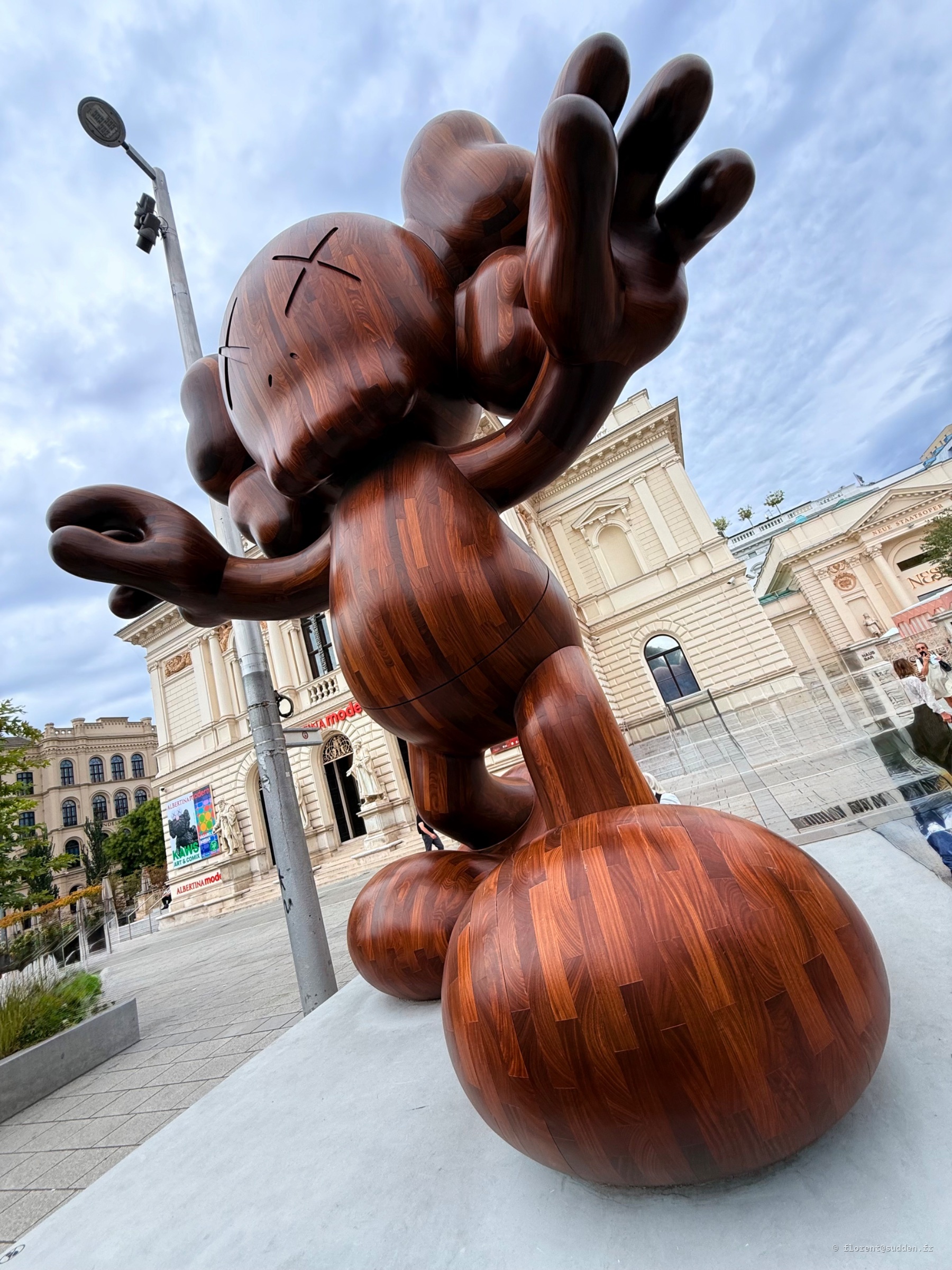
A detail from Klimt. A gilded bas-relief that proclaims « Der Zeit ihre Kunst ». A poster for Bruegel. A porcelain geisha. A pink plastic flamingo planted in a flower bed. White horses standing still. Bronze sculptures with absent gazes. Vienna accumulates fragments of art as others accumulate memories. Nothing is really put away.

Night and day

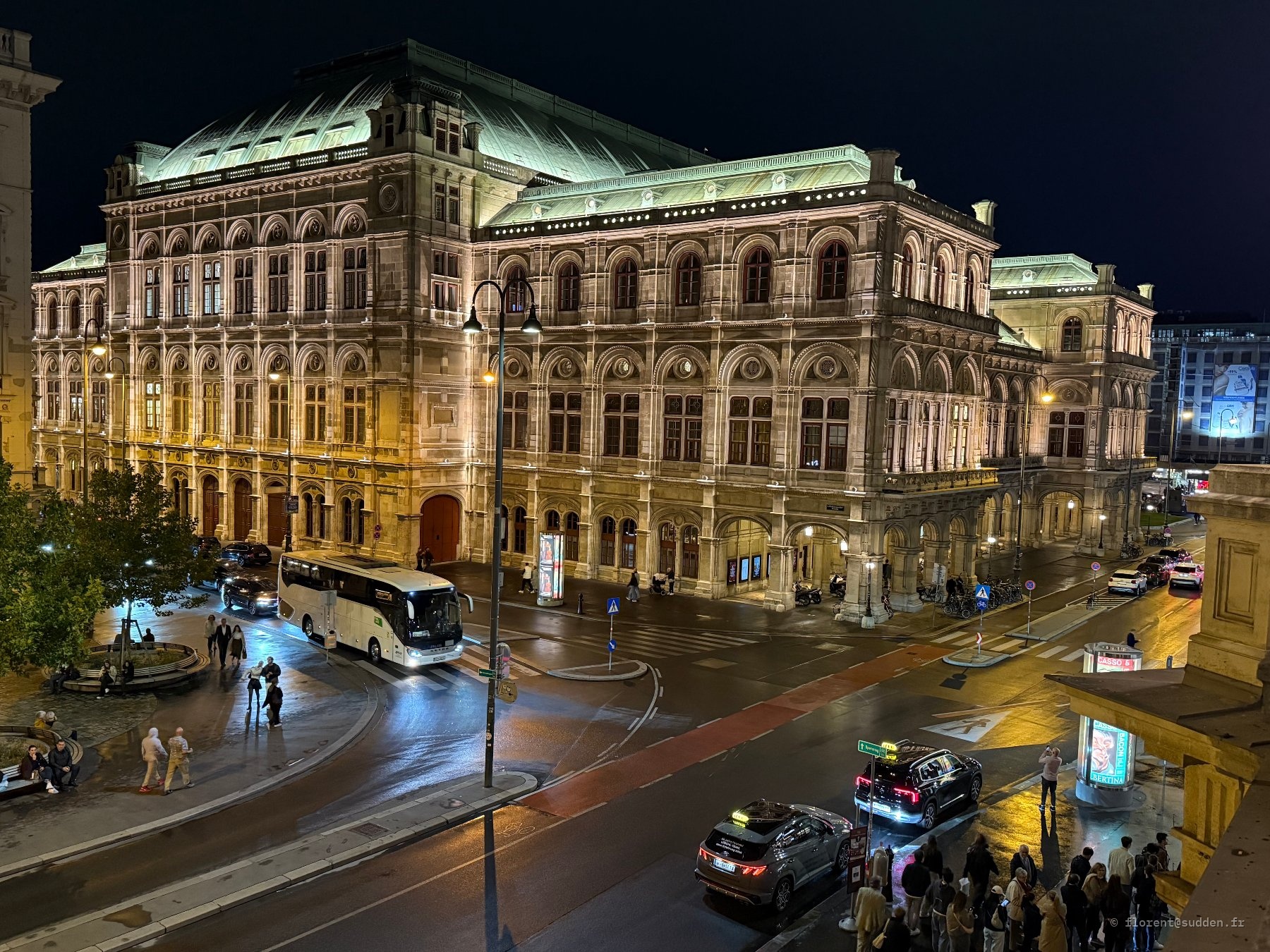
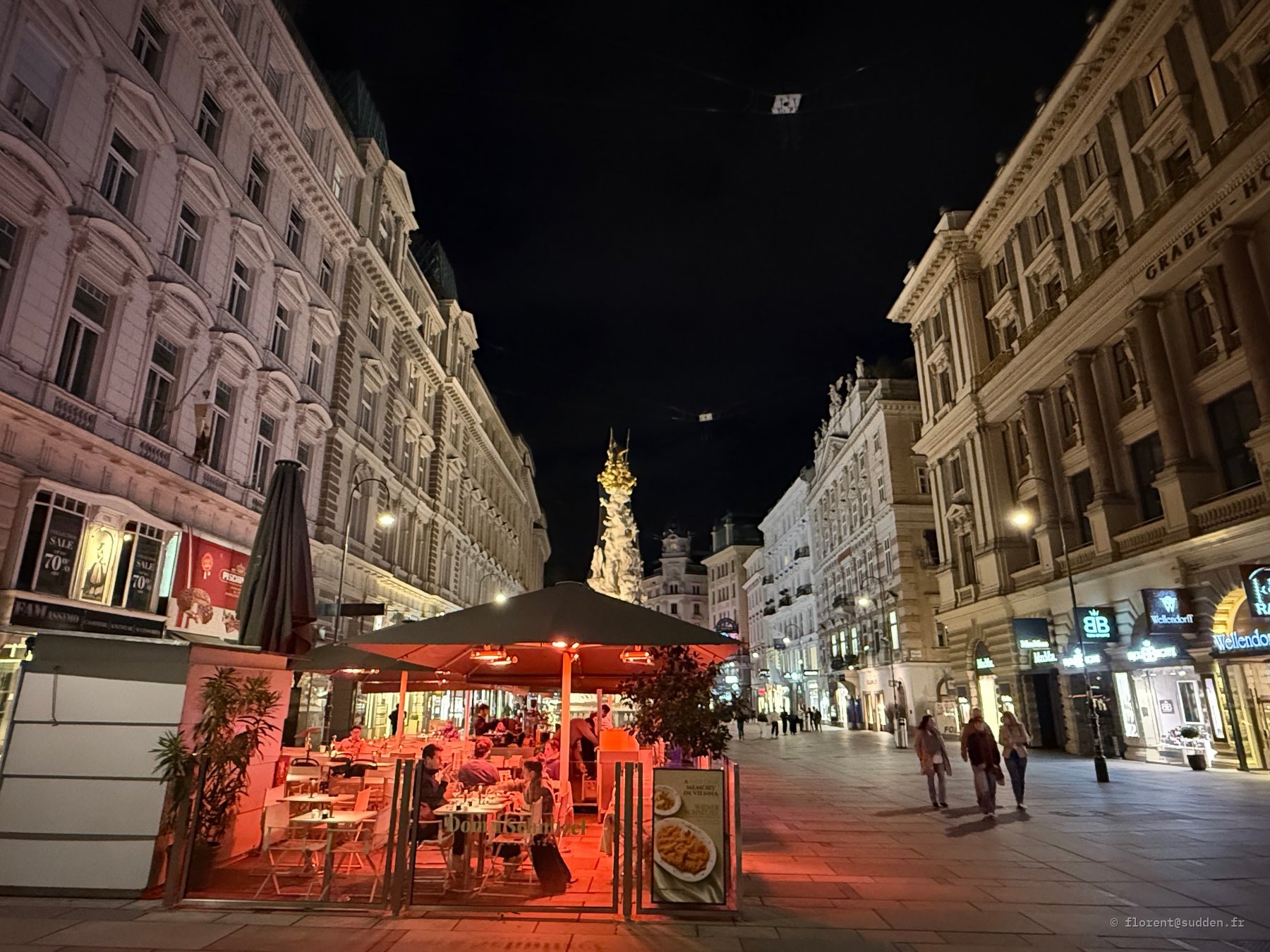
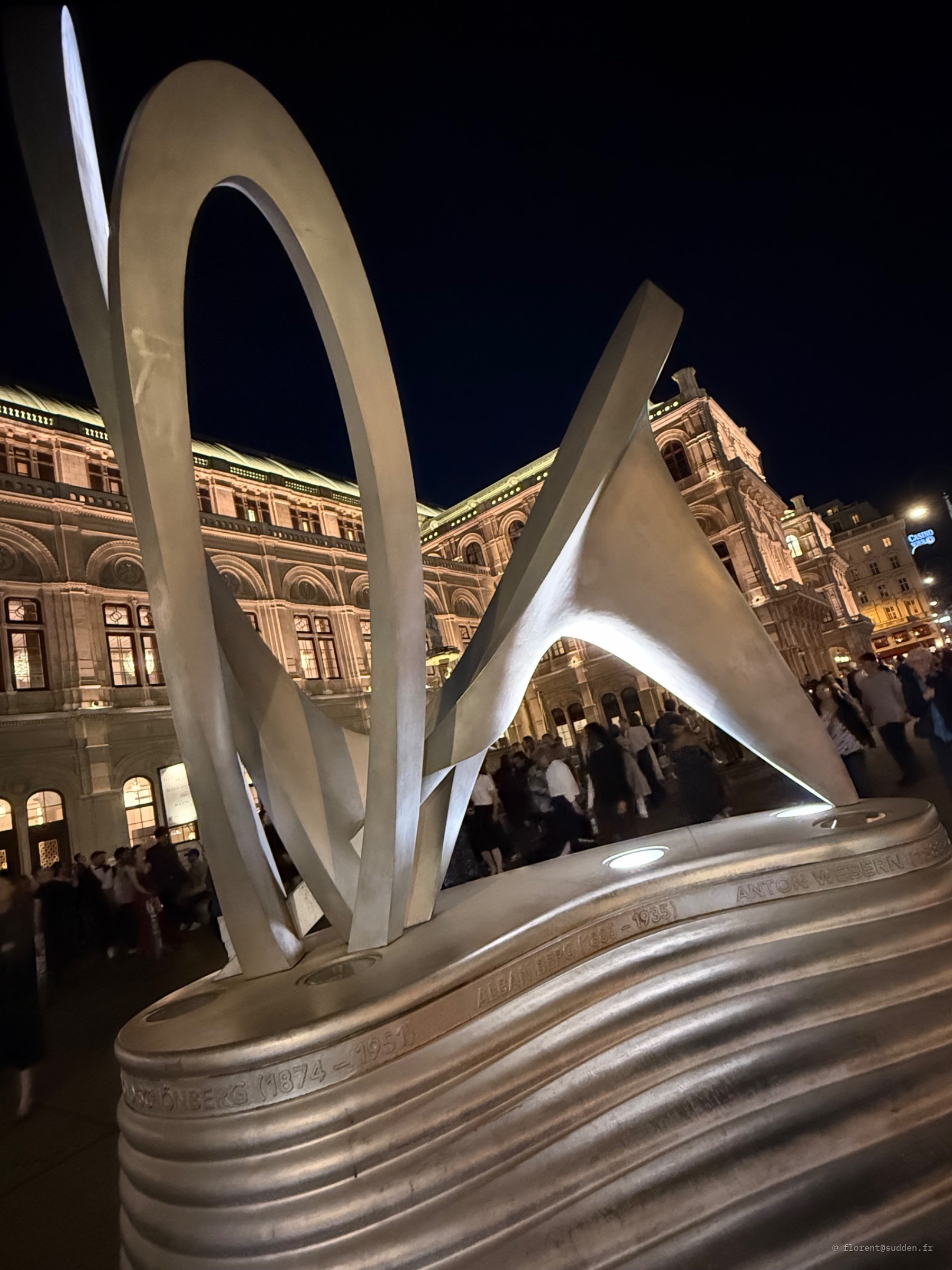
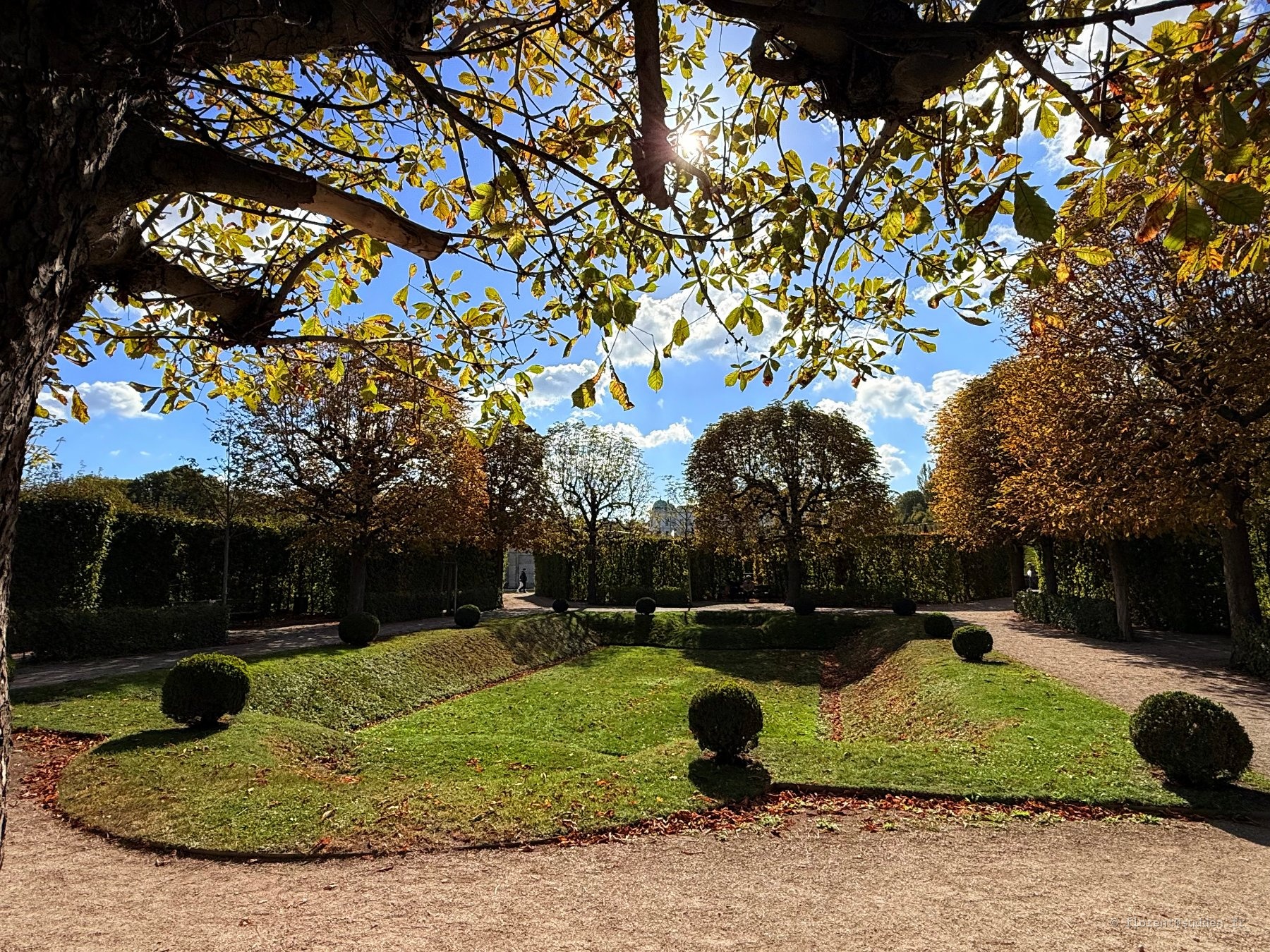
By day, a park with perfectly trimmed hedges under a still clear sky. At night, the opera or the theatre light up, the streets adorn themselves with warm lights, the market tents remain open. Two Viennas overlap without ever contradicting each other.

These photographs do not seek the postcard. They capture what remains when one stops looking for the essential: the details, the gaps, the colors that answer each other without explaining themselves.

Vienna in autumn is not more beautiful.

It is simply more visible.

Florent T.
29 photos

 Belvédère inférieur et Orangerie
Lower Belvedere and Orangery Belvedere – Castle and Museum In addition to being a splendid Baroque castle, the Belvedere also houses one of the most important collections in Austria – containing major works by Gustav Klimt, Egon Schiele and Oskar Kokoschka. It was Prince Eugène of Savoy (1663 - 1736), a brilliant general and great art lover, who commissioned Johann Lukas von Hildebrandt to design the Belvedere palace-garden to serve as his summer residence on the outskirts of the city. This total work of art from the Baroque era consists of two castles (Upper Belvedere and Lower Belvedere) and today houses numerous testimonies to Austrian art, from the Middle Ages to the present day. © florent@sudden.fr 2026-10-12 · 09:40 · 48.1951° N, 16.3797° E · Learn more
 Belvédère inférieur et Orangerie
Lower Belvedere and Orangery Between Baroque art and museum masterpiece: the Belvedere amazes enthusiasts of architecture, history and art. An architectural duo in the heart of Vienna The Belvedere is not a simple palace: it is a majestic ensemble composed of two Baroque jewels. The Lower Belvedere, former summer residence of Prince Eugène of Savoy, contrasts with the Upper Belvedere, known for its lavish receptions on the outskirts of the imperial city. Commissioned by the military prince Eugène, the residence was designed by architect Johann Lucas von Hildebrandt. In 1723, the construction was completed: a symbol of power, elegance and artistic patronage. A place of celebrations, pomp and art, the Belvedere reflected a refined world. After the prince's death, Empress Maria Theresa purchased the complex and transformed the Upper Belvedere into one of Europe's very first public museums. © florent@sudden.fr 2026-10-12 · 09:53 · 48.1968° N, 16.3795° E · Learn more
Daniel Vienna Hotel
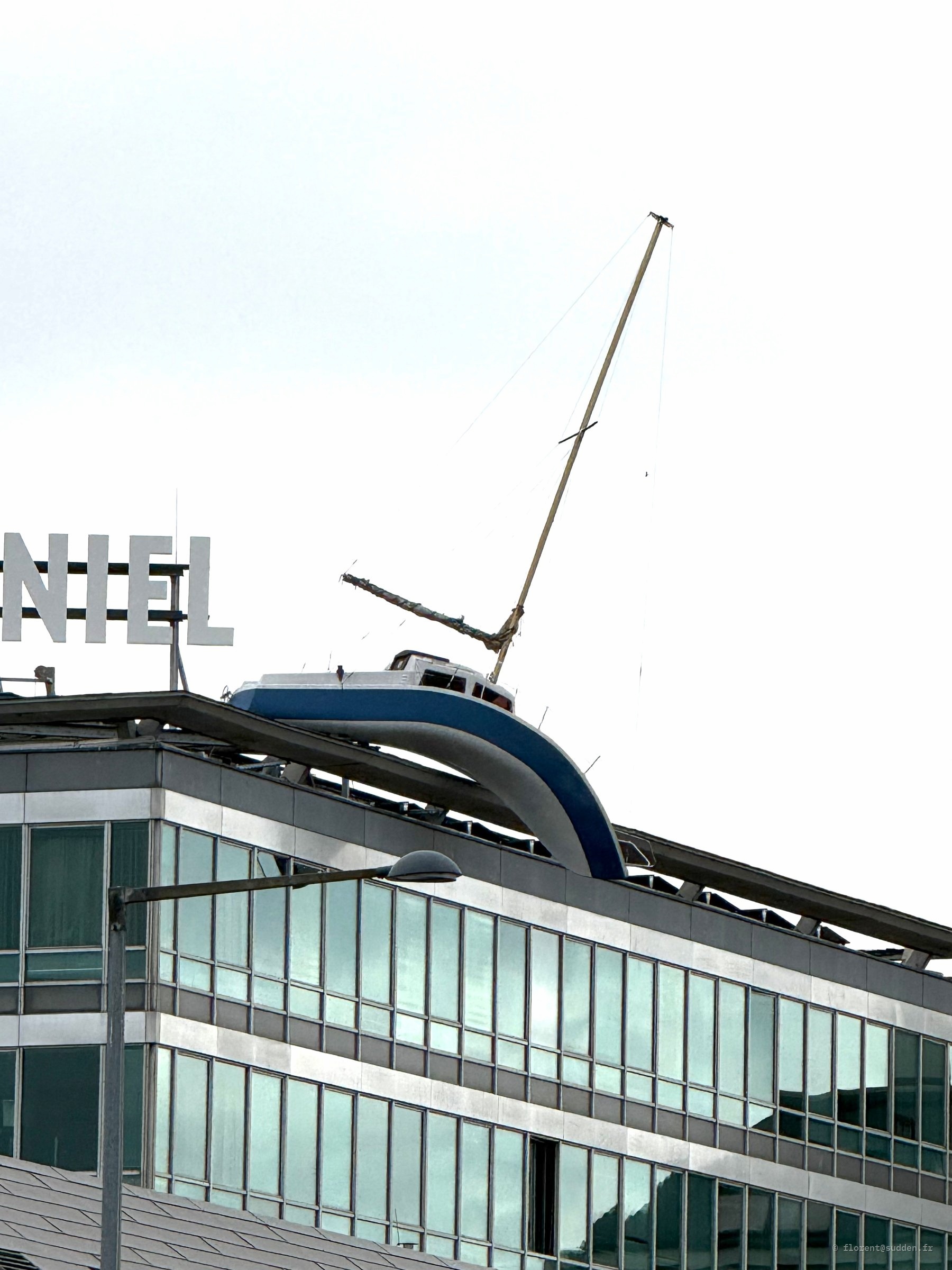
Daniel Vienna Hotel Artist: The work was created by the famous Austrian sculptor Erwin Wurm. Location: The hotel is located near the central train station (Wien Hauptbahnhof) and the Belvedere palace, at Landstraßer Gürtel 5. © florent@sudden.fr 2026-10-10 · 10:56 · 48.1883° N, 16.3815° E
 Flags of Freedom
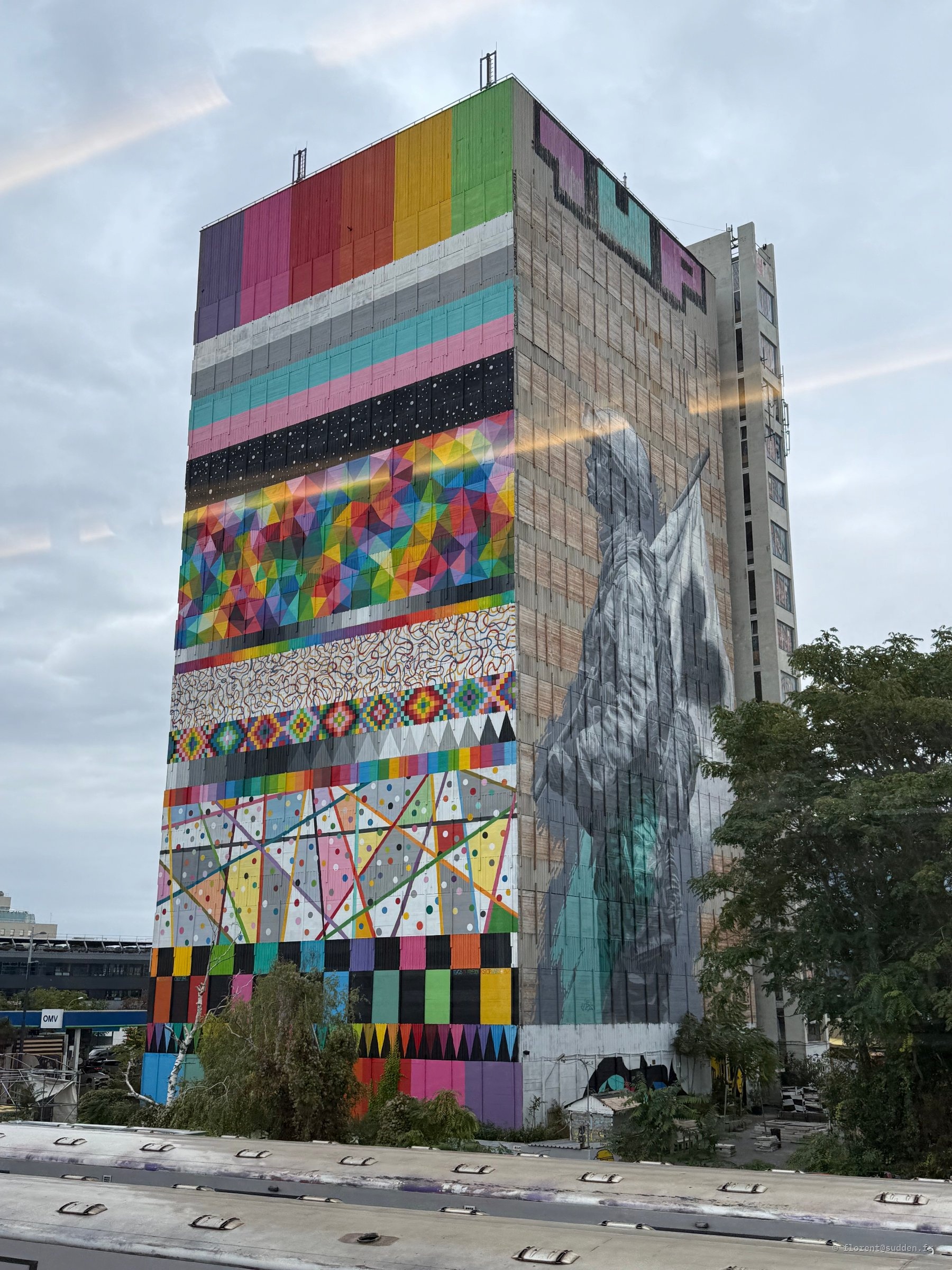
Flags of Freedom • Artist: Okuda San Miguel (Óscar San Miguel) • Location: Former APA building (Austria Presse Agentur), Vienna, Austria © florent@sudden.fr 2026-10-10 · 12:18 · 48.2442° N, 16.3649° E
 Karl-Marx-Hof
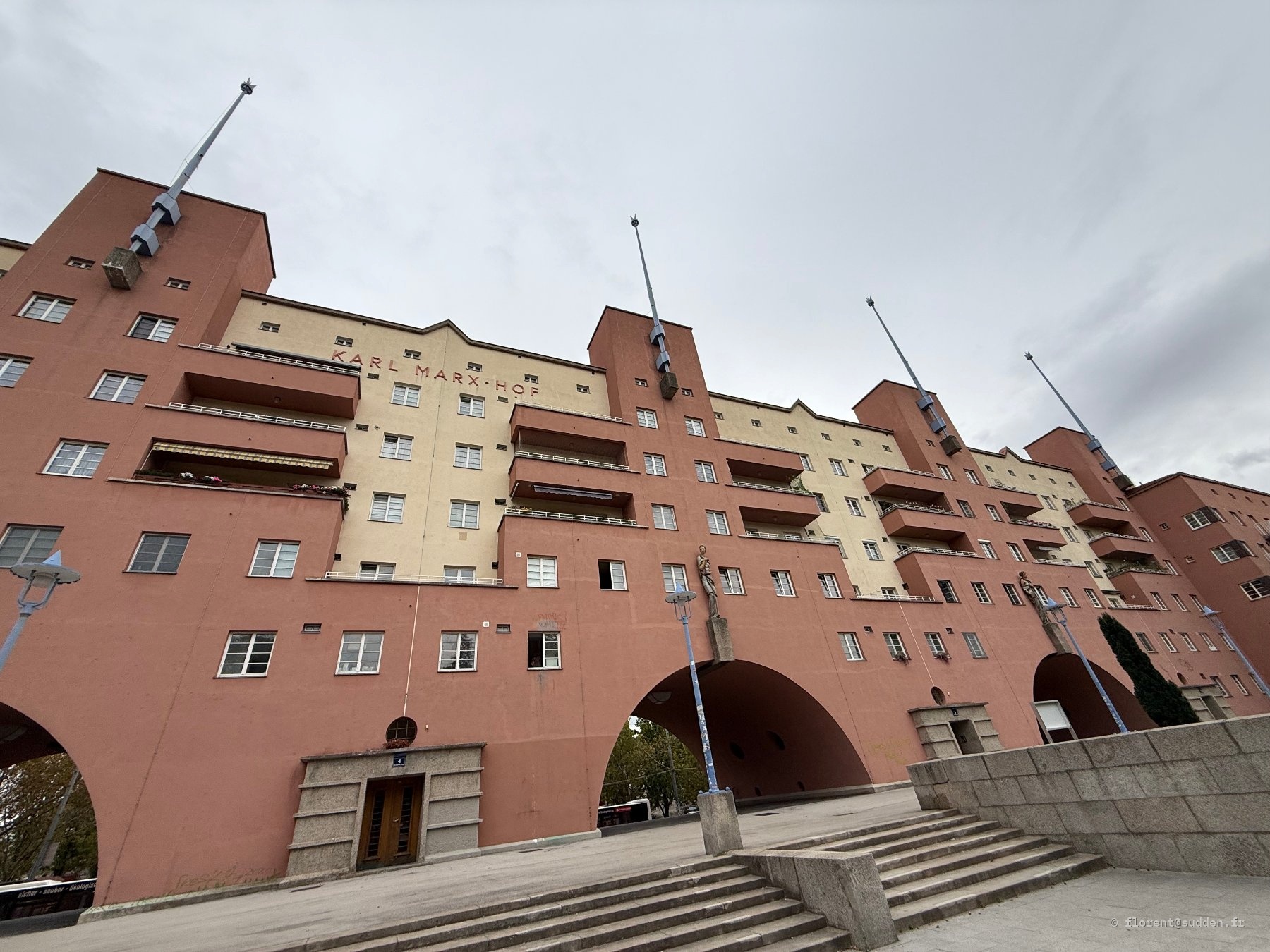
Karl-Marx-Hof The Karl-Marx-Hof, located in the Heiligenstadt district in Vienna (itself in the 19th district, Döbling), is a one-kilometre-long social housing complex built between 1927 and 1930 by Austrian architect Karl Ehn. It is a vast concrete block of 1,382 apartments that blends functionality and architectural boldness. It is bounded on the west by Heiligenstädter Straße, on the north by Grinzinger Straße, on the east by Boschstraße and on the south by Geistingergasse. The complex is composed of three interior courtyards and a vast square around which are arranged buildings of Art Deco ochre colour. © florent@sudden.fr 2026-10-10 · 14:26 · 48.2493° N, 16.3643° E · Learn more
Palais Ferstel // Galerie
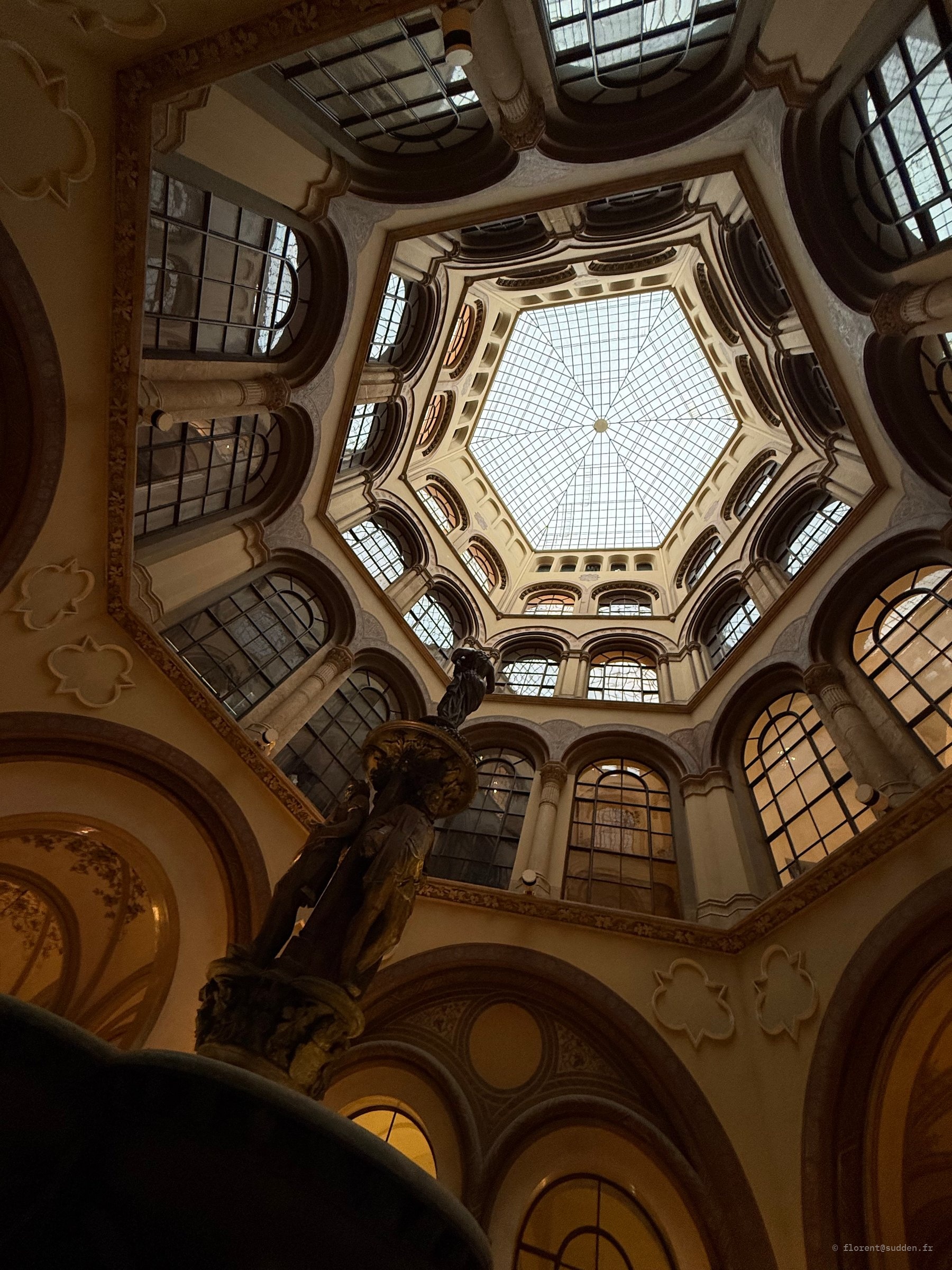
Palais Ferstel // Gallery A piece of Italy in the heart of the Vienna? Yes, and it's all down to Mr. Ferstel. Or "von Ferstel", seeing as he was a nobleman. After all, we are in Vienna! Unlike many other palaces in the Austrian capital Palais Ferstel is not named after its owner, with that honour going instead to its architect. But not until it was completely renovated in 1982. Otherwise it would have ended up being known as the national bank or the stock exchange building, in recognition of the roles originally intended for this opulent structure built by Heinrich von Ferstel. © florent@sudden.fr 2026-10-10 · 15:16 · 48.2109° N, 16.3651° E · Learn more
Fiacre sur la Stephansplatz à Vienne
Fiaker on Stephansplatz in Vienna Fiakers (traditional two-horse carriages) park directly on Stephansplatz, at the foot of St. Stephen's Cathedral (Stephansdom) in the heart of Vienna. © florent@sudden.fr 2026-10-10 · 15:43 · 48.2077° N, 16.3666° E
Kaiserschmarrn,
Kaiserschmarrn, The Kaiserschmarrn from the famous imperial pastry shop Demel in Vienna is an unmissable Austrian specialty. © florent@sudden.fr 2026-10-10 · 16:30 · 48.2046° N, 16.3680° E · Learn more
Opéra national de Vienne (Wiener Staatsoper),
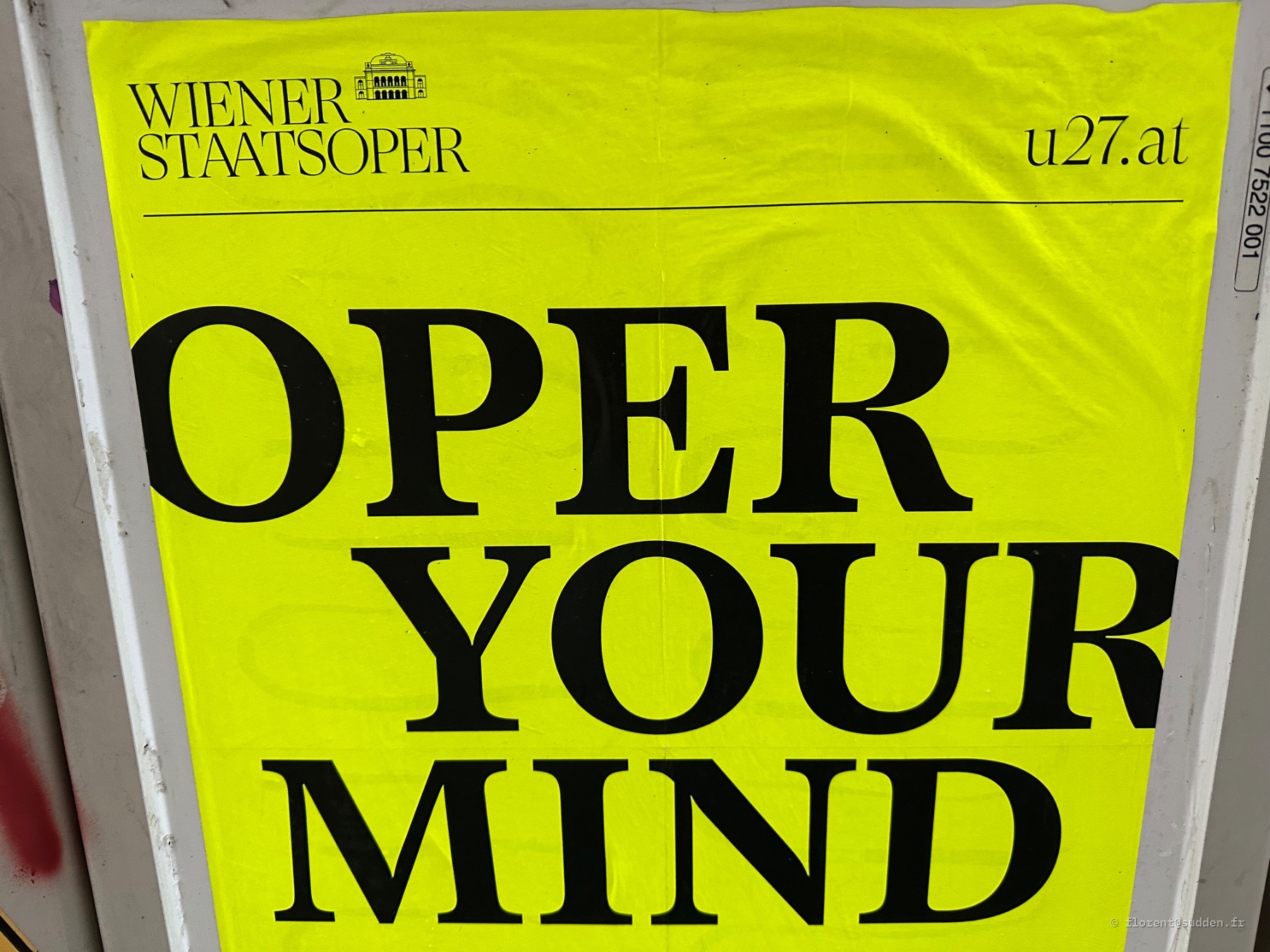
Vienna State Opera (Wiener Staatsoper), Grandiose architecture, exceptional productions, revisited traditions: the Vienna Opera is a cultural icon in the heart of the Austrian capital. A historic stage, between imperial prestige and artistic audacity Located on the famous Ringstrasse – the monumental boulevard surrounding the historic centre of Vienna – the State Opera embodies the musical soul of Austria. From the 17th century onwards, the Habsburgs had opera performed in the Hofburg, and under the impetus of Emperor Joseph II – a great admirer of Mozart – lyric culture gained decisive momentum. Inaugurated in 1869 with Don Giovanni, in the presence of Emperor Francis Joseph and Empress Elisabeth, the current building became a strong imperial symbol. Until 1918, the opera remained a court theatre before entering a new era with the end of the monarchy. The institution reached its artistic peak under Gustav Mahler, then Richard Strauss. But also dark hours: under the National Socialist regime, artists were persecuted, certain works banned, and the opera had to close its doors in 1944. The 1945 bombings destroyed much of the building. The reopening in 1955 with Beethoven's Fidelio marked a new beginning, symbolizing the resilience and cultural rebirth of Austria. © florent@sudden.fr 2026-10-10 · 16:58 · 48.2044° N, 16.3687° E · Learn more
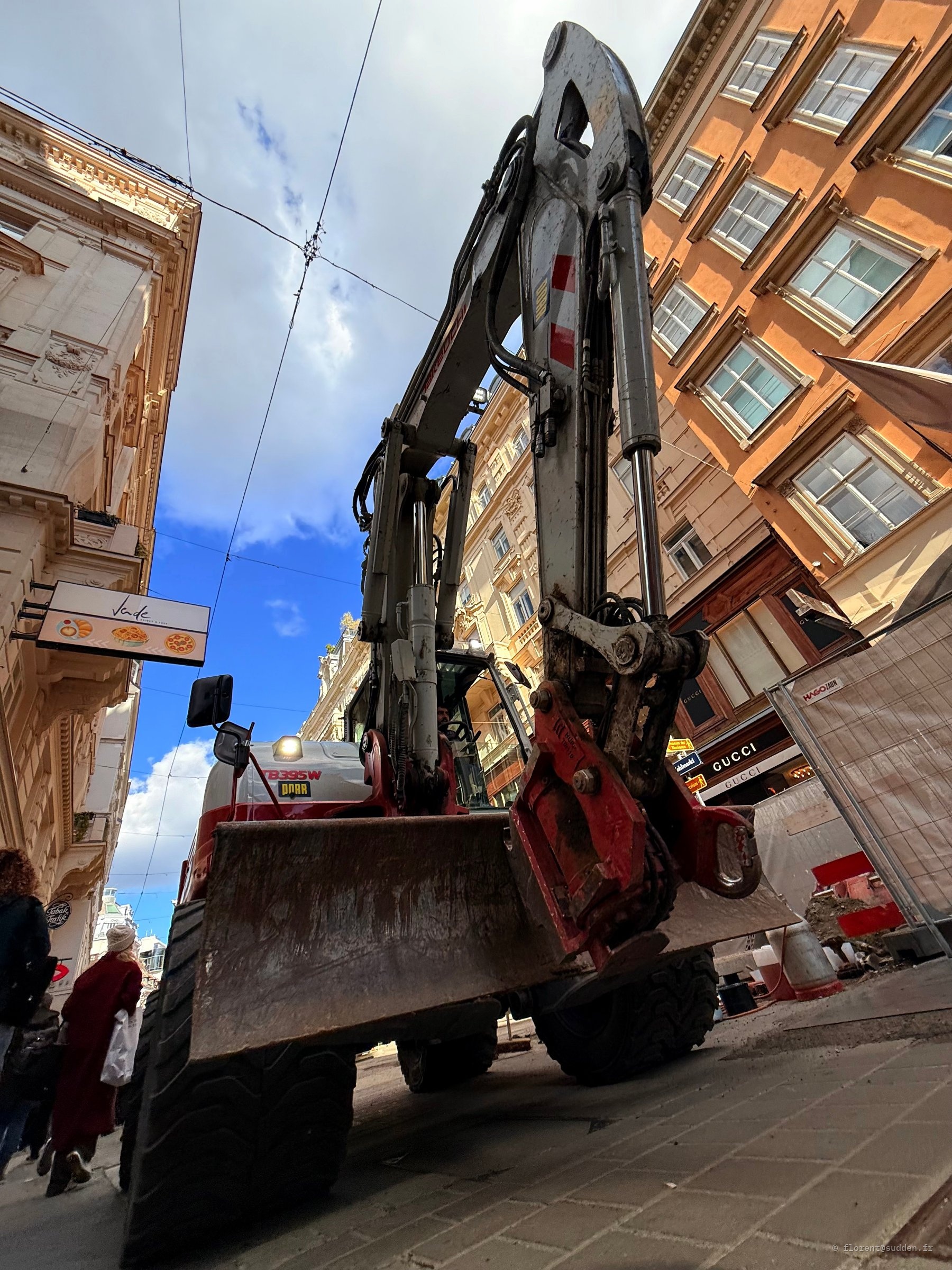
Le Graben
The Graben Vienna in figures Area: 415 km² Districts: 23 Population: 2.0 million Altitude above sea level: 171 m (Stephansplatz) Language: German Currency: Euro © florent@sudden.fr 2026-10-11 · 19:55 · 48.2090° N, 16.3693° E · Learn more
Grands travaux Wienerberg City
Major Works Wienerberg City • Location: Favoriten, south of Vienna, in the immediate vicinity of the Wienerberg recreational area (lake, green spaces and golf course). • Origin: The district was built from 1995 on a former brick factory site.https:// © florent@sudden.fr 2026-10-12 · 08:46 · 48.1693° N, 16.3471° E · Learn more
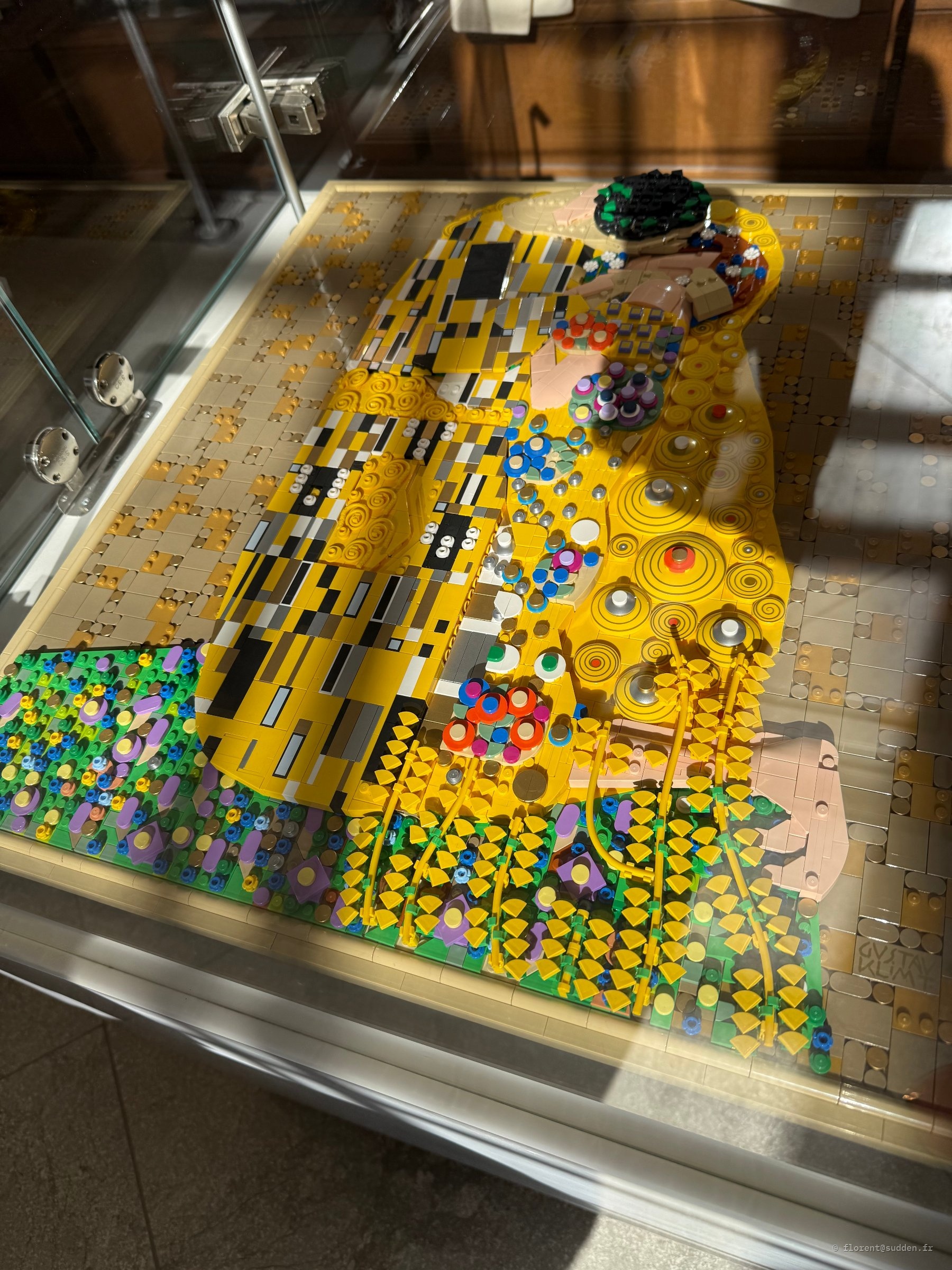
(Der Kuss) de Gustav Klimt, LEGO
(Der Kuss) by Gustav Klimt, LEGO Set Characteristics • Number of pieces: 4,000 bricks • Dimensions: approximately 60 cm high by 54 cm wide • Design: Created in 3D in collaboration with the Belvedere Museum in Vienna (where the original work is displayed). • Official price: 299.99 € © florent@sudden.fr 2026-10-12 · 09:46 · 48.1966° N, 16.3794° E · Learn more
 Kunsthalle Wien Karlsplatz
Kunsthalle Wien Karlsplatz Kunsthalle Wien Karlsplatz Treitlstraße 2 1040 Vienna © florent@sudden.fr 2026-10-12 · 10:24 · 48.2003° N, 16.3675° E · Learn more
le palais de la Sécession (Secession),
the Secession Palace (Secession) "To every age its art. To art its freedom." © florent@sudden.fr 2026-10-12 · 10:28 · 48.2003° N, 16.3662° E · Learn more
Naschmarkt
Naschmarkt With nearly 130 stands, its covered section and numerous establishments, Vienna's most famous market offers you an exceptional culinary selection: Viennese cuisine, but also Indian, Vietnamese or Italian. The Naschmarkt has established itself as a meeting point for young and old alike. The flea market on Saturdays has already become a genuine cult. At the Naschmarkt, a wide and varied public buys fruits, vegetables and various specialties from all over the world from sunrise to sunset. Among the some 130 market stands, there are increasingly trendy establishments. Come and discover the new covered market and the Naschpark, recently renovated. The covered market consists of 13 stands presenting regional products – fish as well as chocolate. At its center: the bar "Brutal am Markt", offering modern market cuisine. The green roof of the building is open to the public. Free Wi-Fi is available throughout the Naschmarkt site. © florent@sudden.fr 2026-10-12 · 11:03 · 48.1975° N, 16.3614° E · Learn more
Naschmarkt
Naschmarkt With nearly 130 stands, its covered section and numerous establishments, Vienna's most famous market offers you an exceptional culinary selection: Viennese cuisine, but also Indian, Vietnamese or Italian. The Naschmarkt has established itself as a meeting point for young and old alike. The flea market on Saturdays has already become a genuine cult. At the Naschmarkt, a wide and varied public buys fruits, vegetables and various specialties from all over the world from sunrise to sunset. Among the some 130 market stands, there are increasingly trendy establishments. Come and discover the new covered market and the Naschpark, recently renovated. The covered market consists of 13 stands presenting regional products – fish as well as chocolate. At its center: the bar "Brutal am Markt", offering modern market cuisine. The green roof of the building is open to the public. Free Wi-Fi is available throughout the Naschmarkt site. © florent@sudden.fr 2026-10-12 · 11:03 · 48.1975° N, 16.3614° E
Naschmarkt
Naschmarkt With nearly 130 stands, its covered section and numerous establishments, Vienna's most famous market offers you an exceptional culinary selection: Viennese cuisine, but also Indian, Vietnamese or Italian. The Naschmarkt has established itself as a meeting point for young and old alike. The flea market on Saturdays has already become a genuine cult. At the Naschmarkt, a wide and varied public buys fruits, vegetables and various specialties from all over the world from sunrise to sunset. Among the some 130 market stands, there are increasingly trendy establishments. Come and discover the new covered market and the Naschpark, recently renovated. The covered market consists of 13 stands presenting regional products – fish as well as chocolate. At its center: the bar "Brutal am Markt", offering modern market cuisine. The green roof of the building is open to the public. Free Wi-Fi is available throughout the Naschmarkt site. © florent@sudden.fr 2026-10-12 · 11:04 · 48.1974° N, 16.3612° E · Learn more
Wien
Austria Austria at a glance Population 9.2 million inhabitants (as of 1 January 2026) Capital Vienna (2 million inhabitants) Time zone Central European Time (UTC +1) Language German Member of the European Union since 1995 Currency Euro © florent@sudden.fr 2026-10-12 · 11:45 · 48.1976° N, 16.3533° E · Learn more
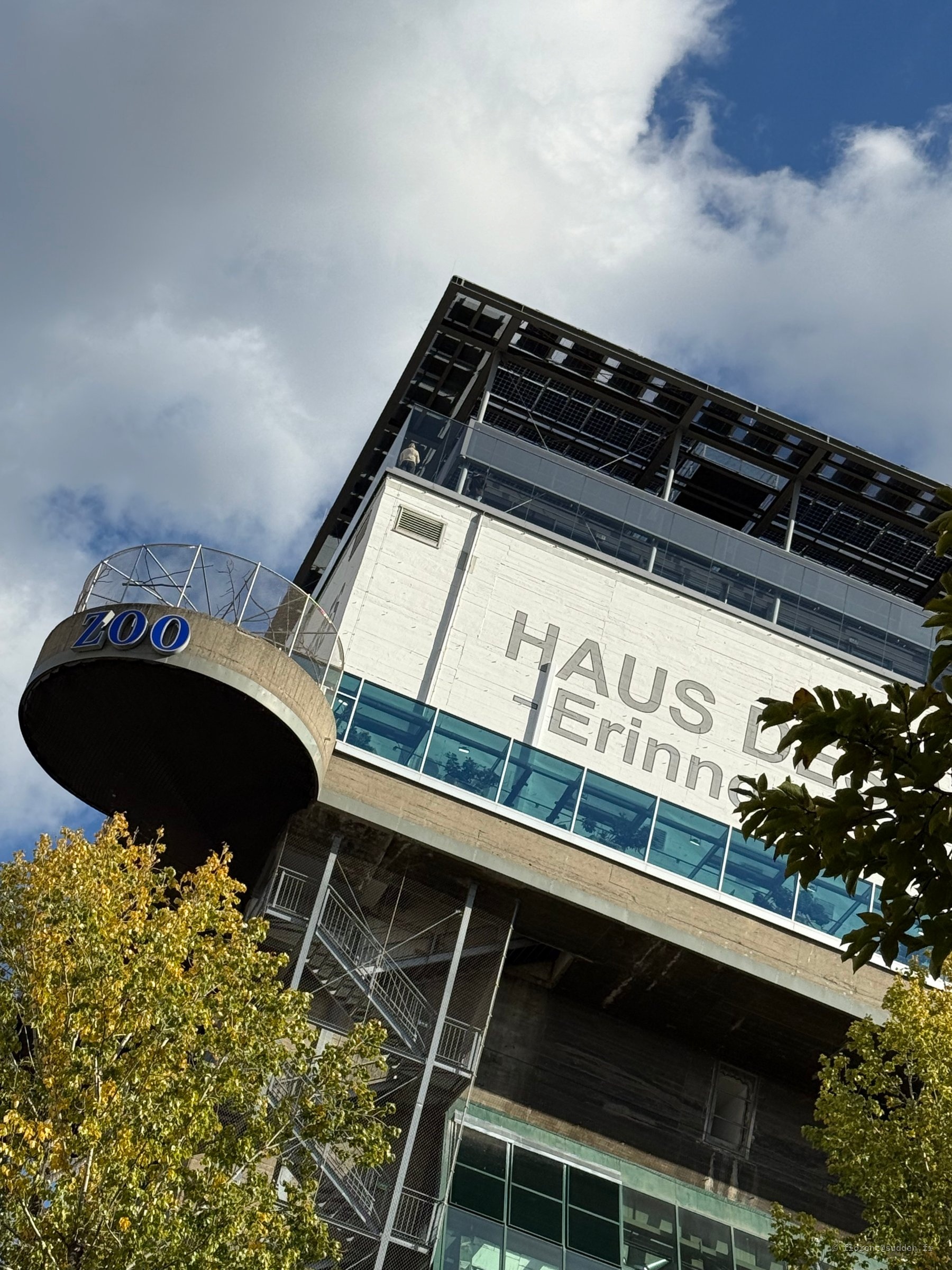
Haus des Meeres
Haus des Meeres History The Haus des Meeres is located inside a former World War II flak tower – and that's just one aspect of our extraordinary story! The history of our zoo begins in 1957: Travel with us through time, get to know important Haus des Meeres personalities, marvel at historical photographs and documents and follow the development of the zoo's scientific work. © florent@sudden.fr 2026-10-12 · 12:55 · 48.1980° N, 16.3521° E · Learn more
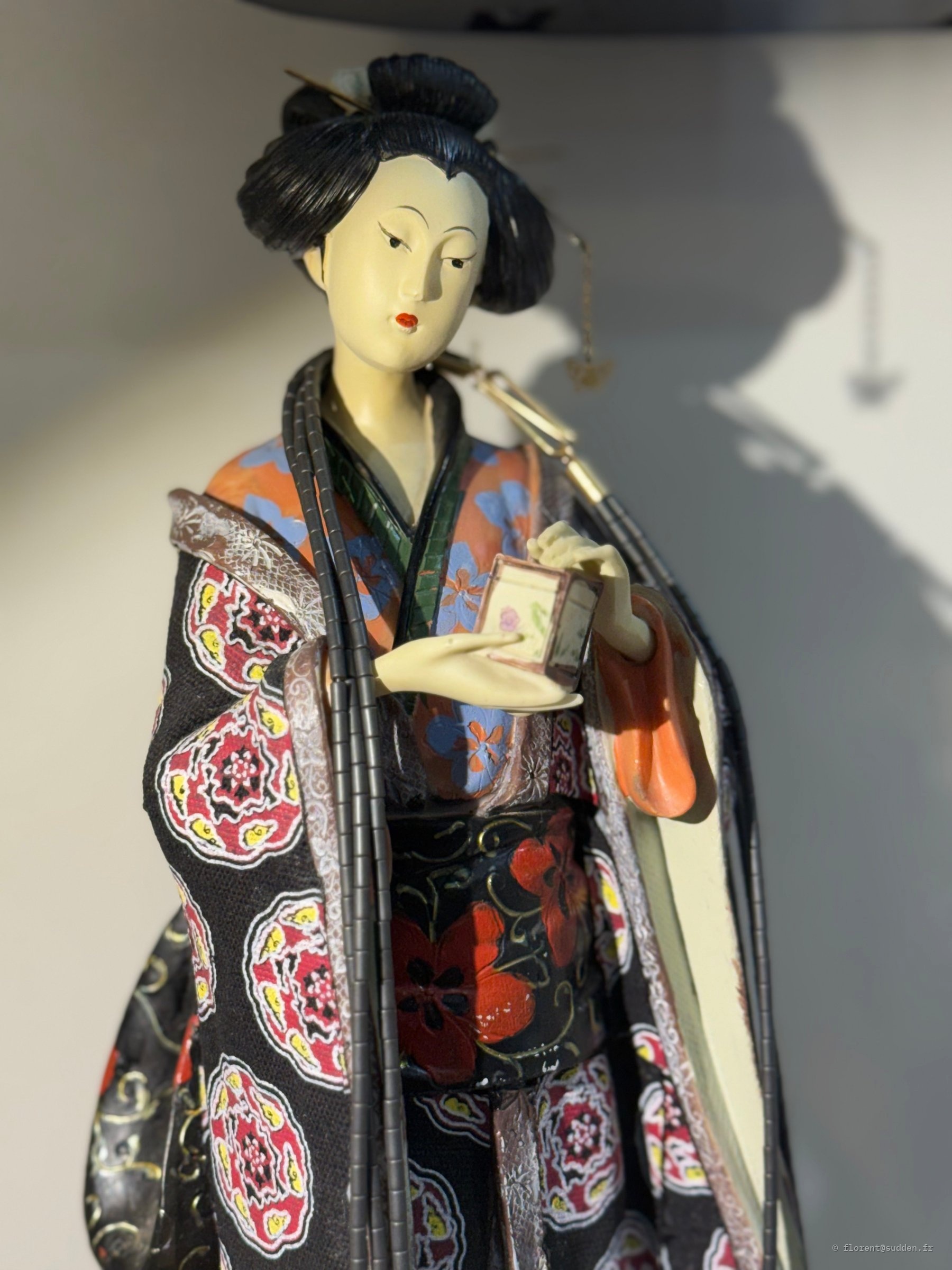
Geisha de Vienne
Geisha of Vienna © florent@sudden.fr 2026-10-12 · 13:41 · 48.2070° N, 16.3651° E
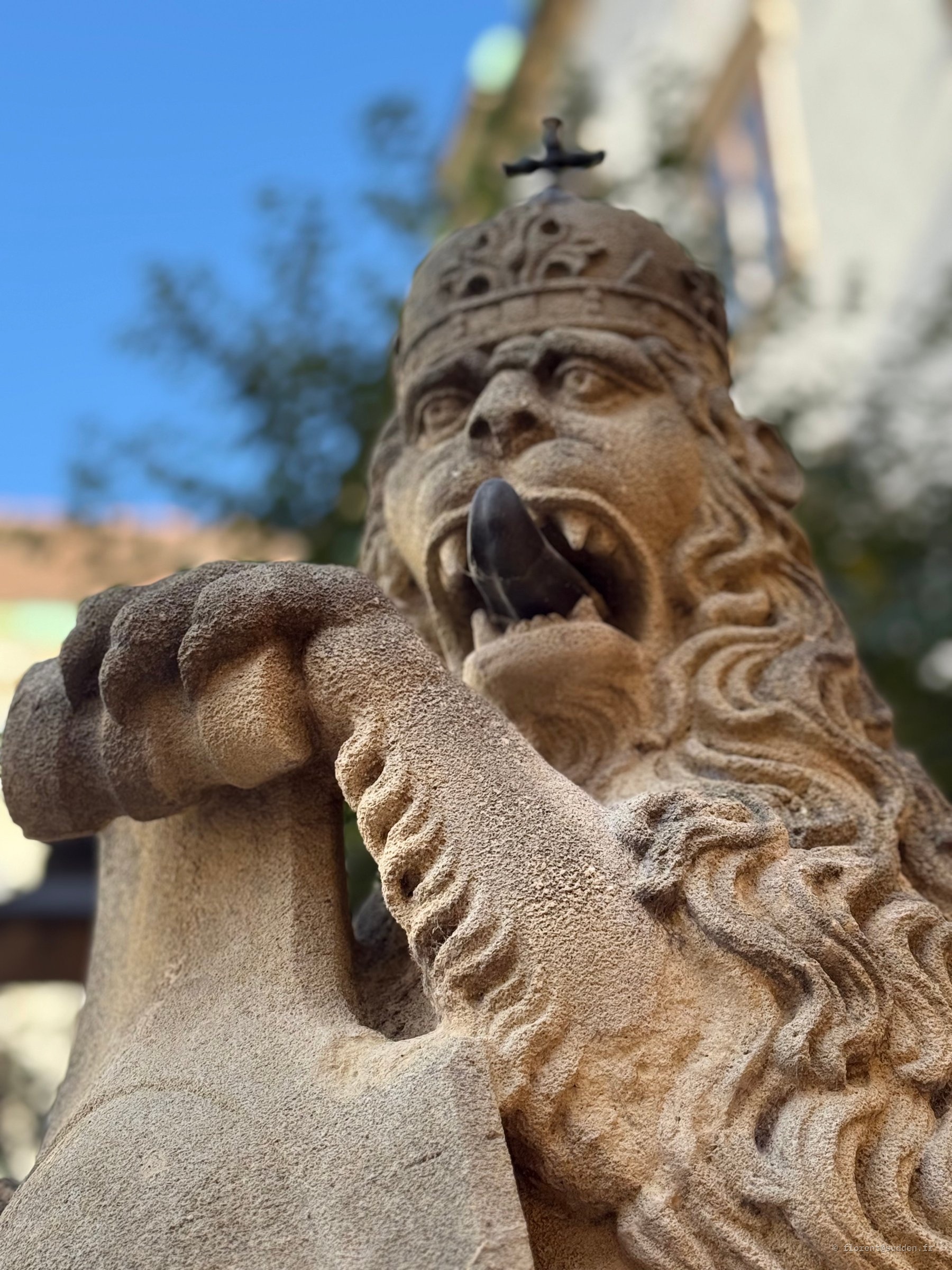
La Schweizertor
The Schweizertor The crowned lion and heraldic figures recall the power and history of the Habsburg sovereigns and Prince Eugene of Savoy. © florent@sudden.fr 2026-10-12 · 13:41 · 48.2072° N, 16.3654° E
Une ville en mutation // Vienne à nouveau en tête du classement
A city in transformation // Vienna back at the top of the ranking The Economist 2026: Vienna back at the top of the ranking In 2026, Vienna was ranked the 2nd most liveable city in the world by the Economist Intelligence Unit. The EIU (Economist Intelligence Unit) is part of The Economist Group and provides forecasting and advisory services on an international scale. Published every year since 2004, the "Global Liveability Index" ranking compares more than 170 major cities around the world. In July 2026, Vienna obtained second place among the most liveable cities in the world. As early as 2018, Vienna had already won the ranking by becoming the first European city to reach first place, dethroning Melbourne after seven years in the top spot. Vienna then maintained first place in 2019, 2022, 2023 and 2024. In addition to criteria such as education and infrastructure, Vienna particularly distinguished itself in healthcare. Vienna ranks behind Copenhagen. Melbourne, Sydney and Zurich then occupy places three to five. © florent@sudden.fr 2026-10-12 · 13:47 · 48.2091° N, 16.3680° E · Learn more
SKY Bar Vienna
SKY Bar Vienna WELCOME AT SKY The SKY Bar Restaurant is located on top floor 7 of Vienna's luxury lifestyle department store, Steffl. The dark, modern interior and the glass front offer breath-taking views of the capital's vibrant urban scenery as well as the outskirts of the city with its hills and vineyards. Enter into the Viennese spirit of taking time to enjoy the moment, chillax, savor a coffee or a cocktail on the roof terrace whilst gazing at the city skyline, amongst the penthouse rooftops, the Ferris wheel and the 'Stephansdom' - after which the STEFFL has lovingly taken its name. Feel on top of the world at the SKY Bar and Restaurant. © florent@sudden.fr 2026-10-12 · 14:15 · 48.2065° N, 16.3724° E · Learn more
Une qualité de vie d’exception
An exceptional quality of life The Economist 2026: Vienna back at the top of the ranking In 2026, Vienna was ranked the 2nd most liveable city in the world by the Economist Intelligence Unit. The EIU (Economist Intelligence Unit) is part of The Economist Group and provides forecasting and advisory services on an international scale. Published every year since 2004, the "Global Liveability Index" ranking compares more than 170 major cities around the world. In July 2026, Vienna obtained second place among the most liveable cities in the world. As early as 2018, Vienna had already won the ranking by becoming the first European city to reach first place, dethroning Melbourne after seven years in the top spot. Vienna then maintained first place in 2019, 2022, 2023 and 2024. In addition to criteria such as education and infrastructure, Vienna particularly distinguished itself in healthcare. Vienna ranks behind Copenhagen. Melbourne, Sydney and Zurich then occupy places three to five. © florent@sudden.fr 2026-10-12 · 14:39 · 48.2064° N, 16.3723° E · Learn more
Kunsthistorisches Museum
Kunsthistorisches Museum The Best of Bruegel – Only in Vienna It was the most successful exhibition ever hosted by the Kunsthistorisches Museum Vienna: "Bruegel – Once in a Lifetime" made history. The world's largest-ever exhibition of works by Pieter Bruegel the Elder On show from October 2018 through January 2019, the world's largest-ever exhibition of works by Pieter Bruegel the Elder (c. 1525/30-1569), complete with sensational loans, presented three-quarters of the Flemish master's extant paintings and around half of his surviving drawings and prints. Only about 40 paintings by him have come down to us, and 29 of them were displayed in Vienna. If you missed this extraordinary exhibition or if you want to experience Bruegel again, we have good news for you: the best of Bruegel – his most important works – are always on show in our Picture Gallery! The Kunsthistorisches Museum Vienna houses twelve works by him, and thus the world's largest and most important collection of paintings by Pieter Bruegel the Elder. The works include celebrated panels like Peasant Wedding, Children's Games, Hunters in the Snow and, of course, The Tower of Babel. These and other masterpieces by Bruegel are displayed in the aptly named "Bruegel Gallery" (Gallery X) of the Picture Gallery. This means that the best Bruegels, the heart of the exhibition, continue to be on show in the Kunsthistorisches Museum Vienna. © florent@sudden.fr 2026-10-12 · 14:55 · 48.2054° N, 16.3686° E · Learn more
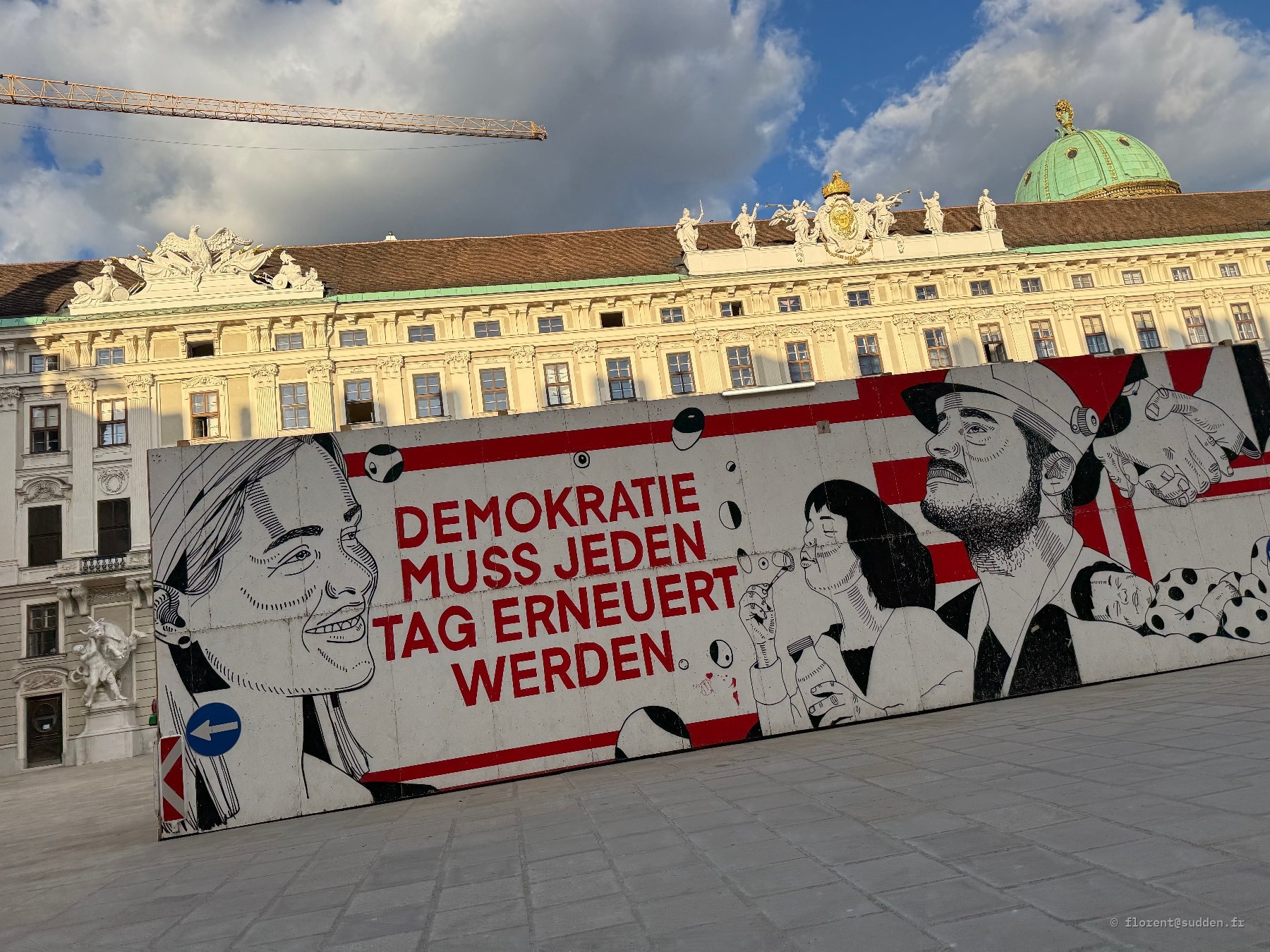
 Demokratie muss jeden Tag erneuert werden » (« La démocratie doit être renouvelée chaque jour »
"Democracy must be renewed every day" (« La démocratie doit être renouvelée chaque jour ») The image shows a construction fence installed in front of the Hofburg palace in Vienna, Austria. © florent@sudden.fr 2026-10-12 · 15:01 · 48.2073° N, 16.3648° E
Volksgarten
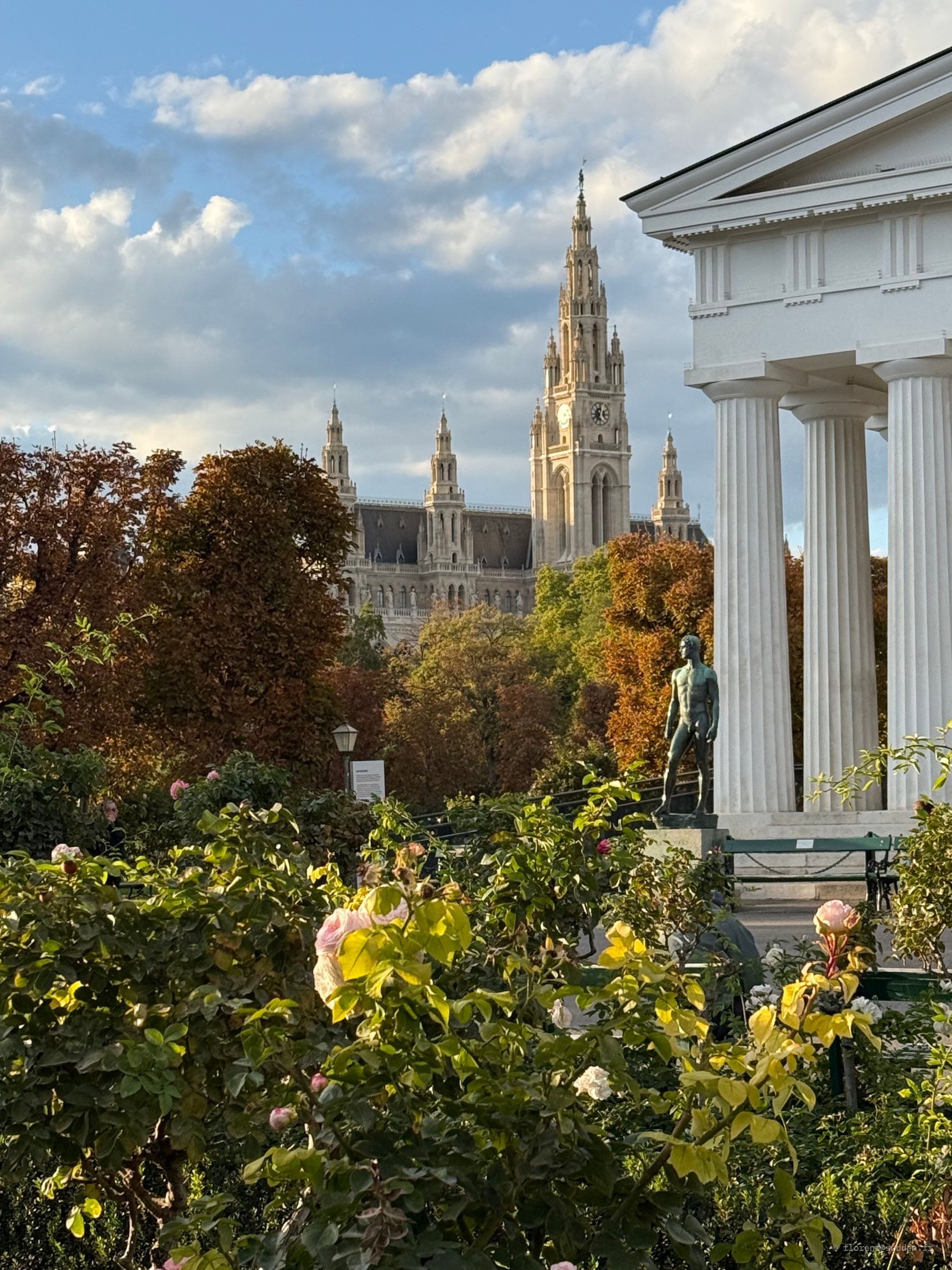
Volksgarten Volksgarten The sumptuous Volksgarten, with its picturesque rose bushes and its dazzling temple of Theseus in immaculate white, is among the most beautiful gardens in Vienna. Its proximity to the sumptuous imperial buildings of the Ringstrasse also contributes greatly to this. The Volksgarten, inaugurated in 1823, is just two steps away from the Burgtheater, Vienna City Hall and the Austrian Parliament, on the vast grounds of the Hofburg. Oriented towards Heldenplatz, the eastern part of the park is laid out in the English style with scattered trees. The other half, bordering the Ringstrasse, presents a French Baroque style. The stars of the Volksgarten are about 3,000 rose bushes, comprising approximately 400 different varieties of roses. These give the Volksgarten its characteristic bright colors such as red, pink, yellow and white in late spring. Many are adorned with small plaques paying tribute to certain people. The largest tree in the park is an Oriental plane tree approximately 250 years old and part of Vienna's natural monuments (« Wiener Naturdenkmäler »). It is nicknamed the « Sissi plane tree ». © florent@sudden.fr 2026-10-12 · 15:04 · 48.2080° N, 16.3619° E · Learn more
Temple de Thésée (Vienne)
Temple of Theseus (Vienna) Since 2012, the Kunsthistorisches Museum and the Weltmuseum Wien have presented a single important work of contemporary art in the Theseus Temple in the Volksgarten every year. The neoclassical structure was built between 1819 and 1823 according to the plans of court architect Peter von Nobile (1774–1854). Its original purpose was to house Antonio Canova's sculpture Theseus Slaying the Centaur. For nearly seventy years, this masterpiece of white marble stood here until it was relocated in 1890 to the newly completed Kunsthistorisches Museum, where it remains to this day. The Weltmuseum Wienarrow_outward is pleased to offer visitors free admission to experience an extraordinary contemporary artwork in the Theseus Temple. © florent@sudden.fr 2026-10-12 · 15:05 · 48.2082° N, 16.3617° E · Learn more
Thésée
Theseus In Greek mythology, Theseus (in ancient Greek Θησεύς / Thēseús) is a hero of Attica, son of Aegeus (or Poseidon) and Aethra. His name would derive from the same root as θεσμός / thesmós, « sacred institution, divine law »[citation needed]. The most famous legend of Theseus is his combat and victory against the Minotaur, half-man half-bull. A founding hero, like Perseus or Heracles, Theseus is venerated by the Ionians and is considered by the Athenians as their great reformer: mythical king of Athens, he is held responsible, according to ancient historian Thucydides, for the political unification of Attica under Athenian domination, called synoecism[1]. His reign also marks a period of peace with the Thessalians and Boeotians[2]. As a unifying king, Theseus is said to have built and occupied a palace at the fortress of the Acropolis, which may have been similar to the excavated palace of Mycenae. The geographer Pausanias reports that after the synoecism, Theseus established a cult of Aphrodite Pandemos (« of all the people ») and Peitho on the south slope of the Acropolis. In The Frogs, Aristophanes attributes to him the invention of many Athenian traditions, including that of the consecration of the hair of epheboi. His most famous exploit and his legend give rise to numerous interpretations. Some specialists in the history of religions have emphasized the importance of lunar mythology in the legends of Theseus[3]. © florent@sudden.fr 2026-10-12 · 15:05 · 48.2082° N, 16.3616° E · Learn more

Read also

← Back to the journal