There are cities that display their power with skyscrapers, giant ports or industrial zones as long as highways. Aix-en-Provence needs none of that. Its power is more discreet, older, more subtle too. It resides in a collective certainty, deeply rooted in its squares, its blonde façades and the conversations of its terraces: that of having always belonged to the right side of things.
In Aix, even the air seems different. At less than thirty kilometers from Marseille, the city nonetheless produces the strange sensation of finding oneself in another department, sometimes even in another country. Mediterranean noise becomes a murmur, buildings settle at a reasonable height, streets seem watched over by an invisible army of attentive co-owners and public space seems subject to a form of collective discipline from which Marseille freed itself long ago. Here, disorder is not an urban quality. Civilization begins with the alignment of shutters.
This is precisely what Émile Zola observed when he transformed his native city into Plassans, this fictional city that runs through the Rougon-Macquart and borrows so much from Aix that one sometimes struggles to distinguish fiction from reportage. In his descriptions appears a hierarchized society, attentive to reputations, dominated by notables convinced that their vision of the world naturally constitutes the order of things. Plassans was not only a city. It was a state of mind.
A century and a half later, the reader of Zola sometimes experiences a strange sensation wandering along the cours Mirabeau. The magistrates of the Second Empire have been replaced by business lawyers, business leaders, liberal professionals and senior executives. Bourgeois salons have given way to heated terraces. Yet something persists. An intimate conviction that Aix represents a happy exception in the midst of Provençal tumult.
The Fontaine de la Rotonde or the Aix art of condescension
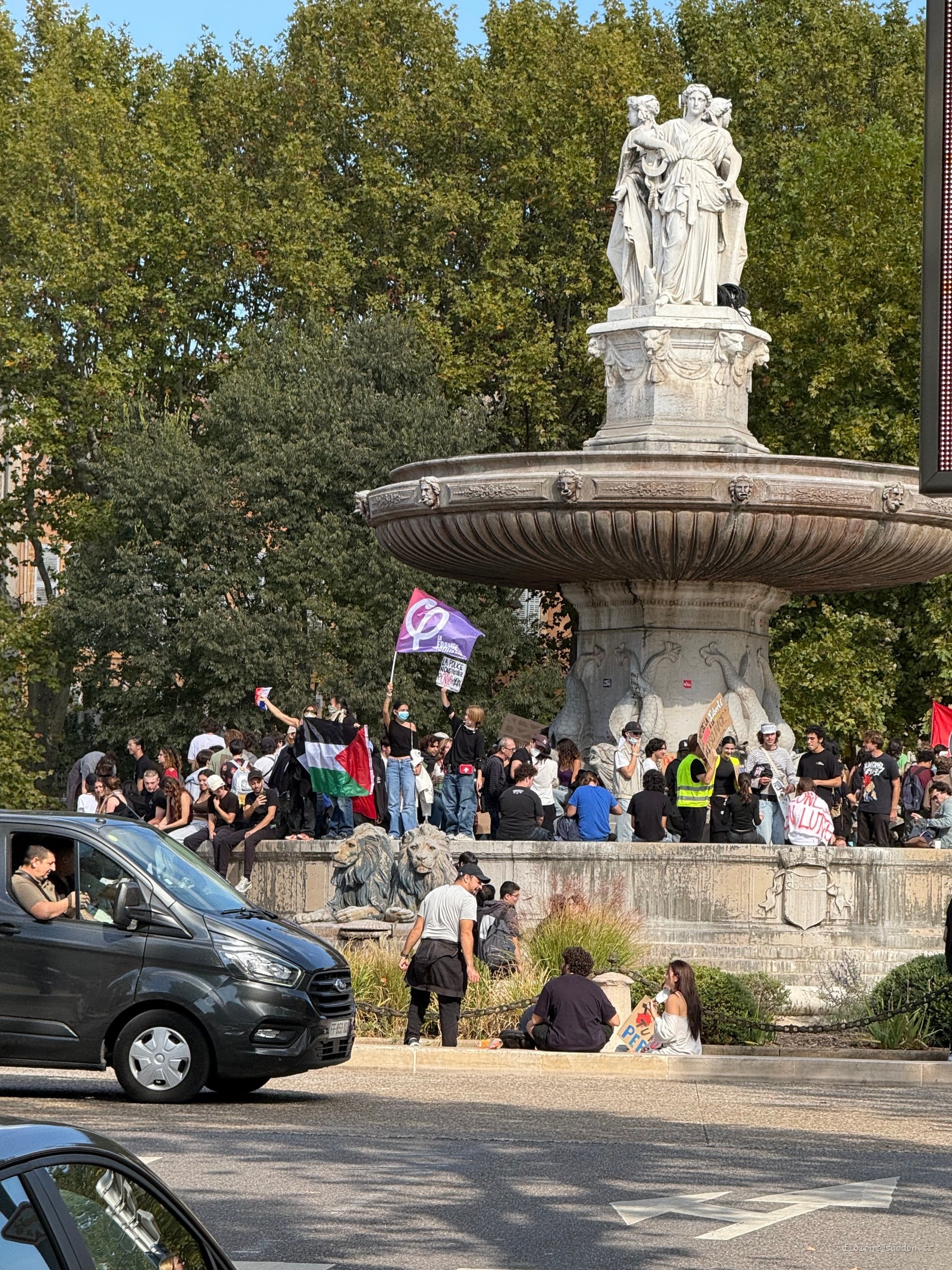
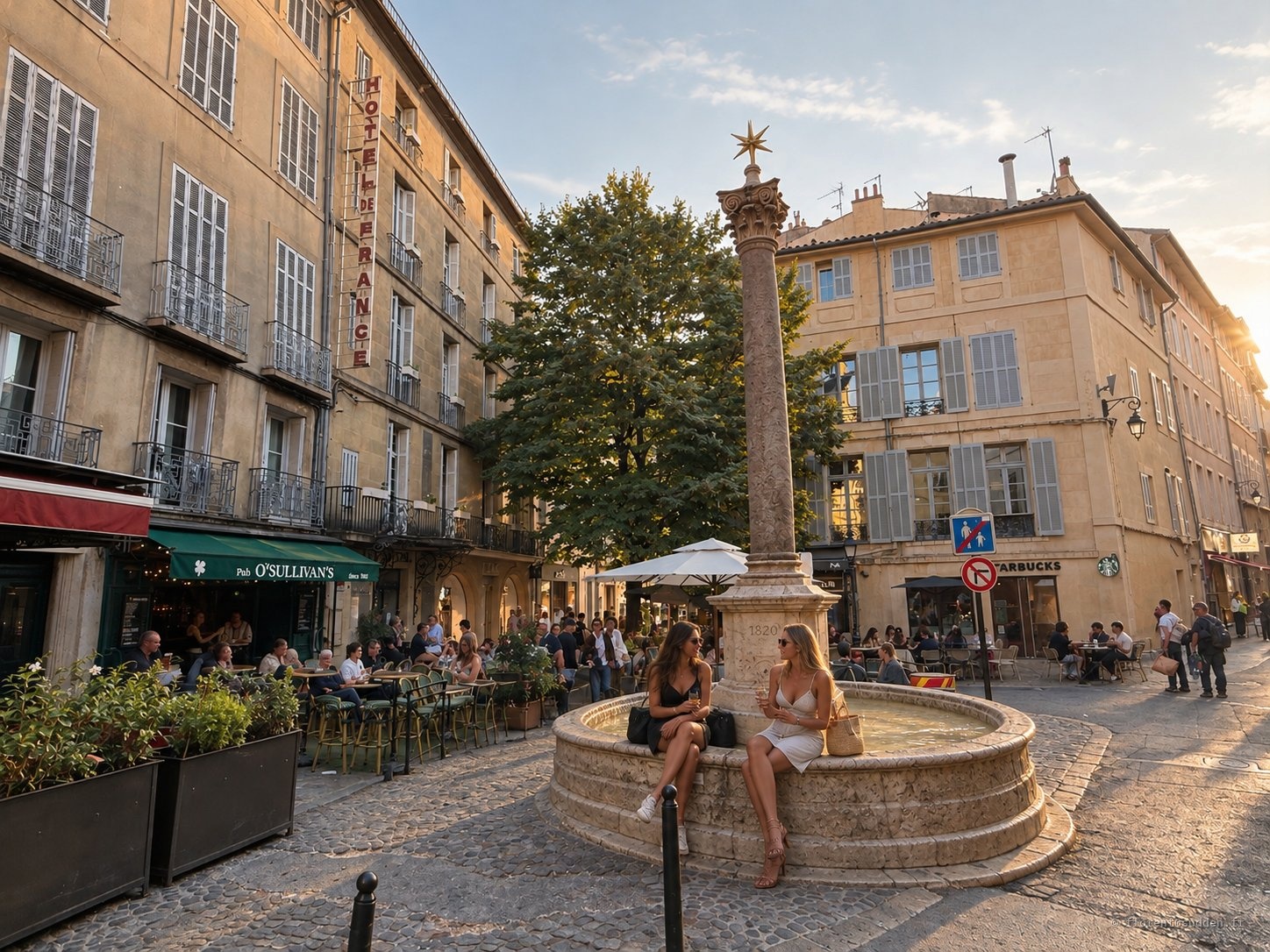
Few monuments tell a city's story as well as the Fontaine de la Rotonde.
Tourists admire its water jets. Aixois know its language.
Up there, three marble women symbolically distribute the roles of Provence. Justice looks at Aix. The Fine Arts look at Avignon. Agriculture looks at Marseille.
At first glance, it is an elegant nineteenth-century allegory.
At second glance, it is a monumental jab addressed to Marseillais for more than one hundred and fifty years.
Aix assigns itself Justice, that is to say magistrates, institutions and respectability. Avignon receives Culture. Marseille, the region's first city, its port, its shipowners, its merchants, its cosmopolitanism and its permanent revolutions, inherits vegetables.
The message is clear.
Marseille produces.
Aix thinks.
Marseille works.
Aix administers.
Marseille stirs.
Aix decides.
No one would have dared write such insolence in an official speech. The sculptors engraved it in marble.
Pale stone and golden certainties
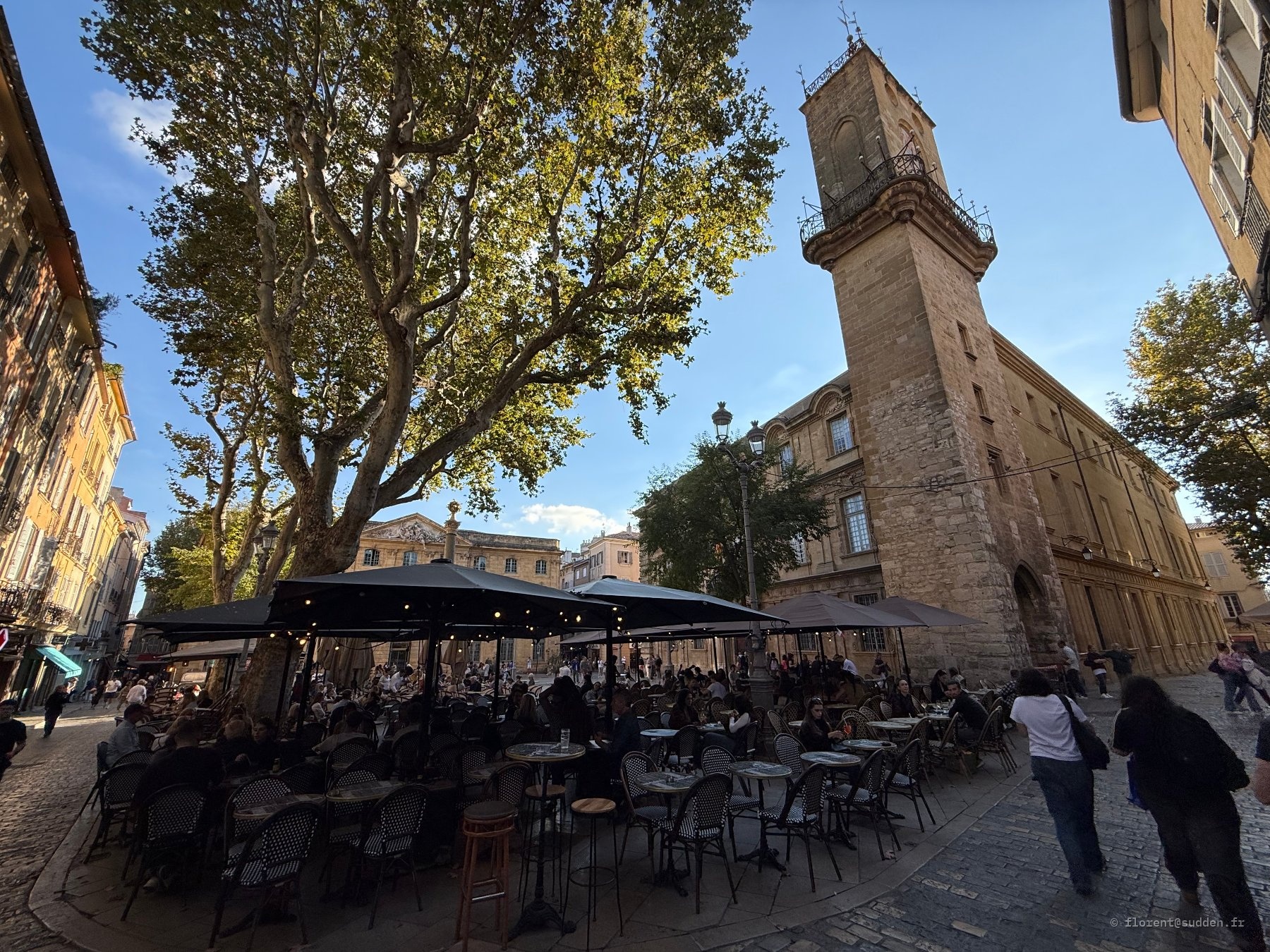
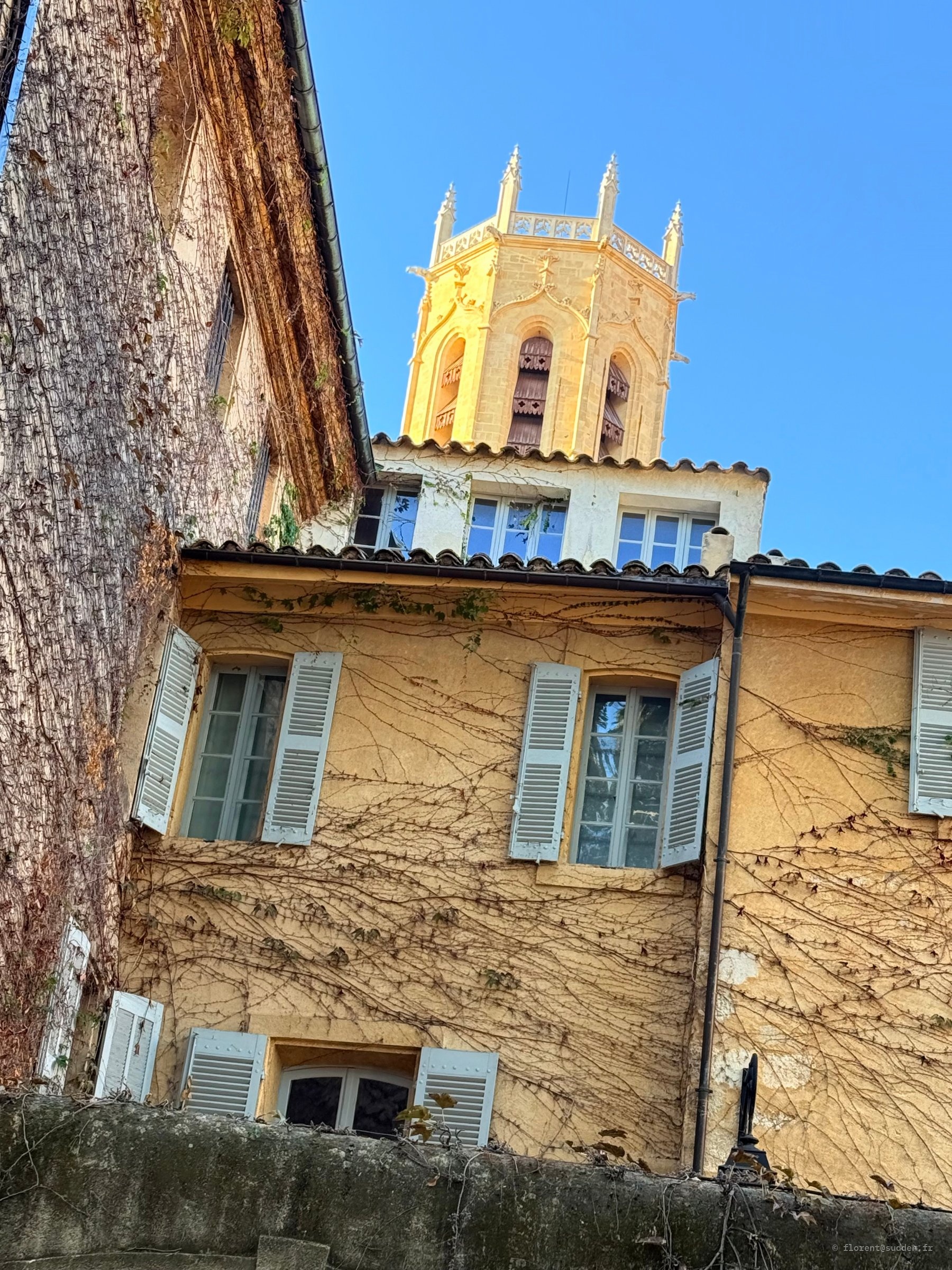
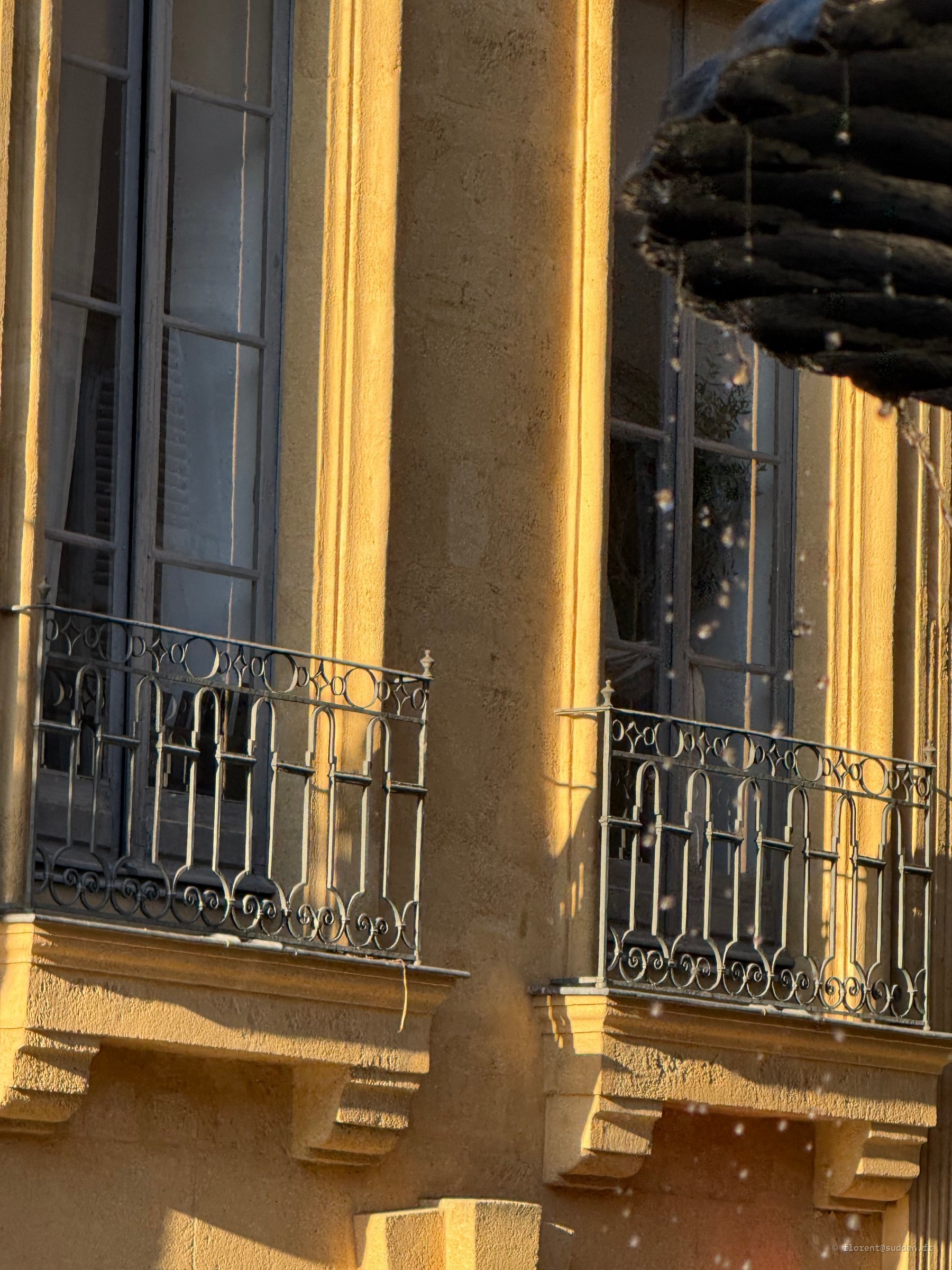
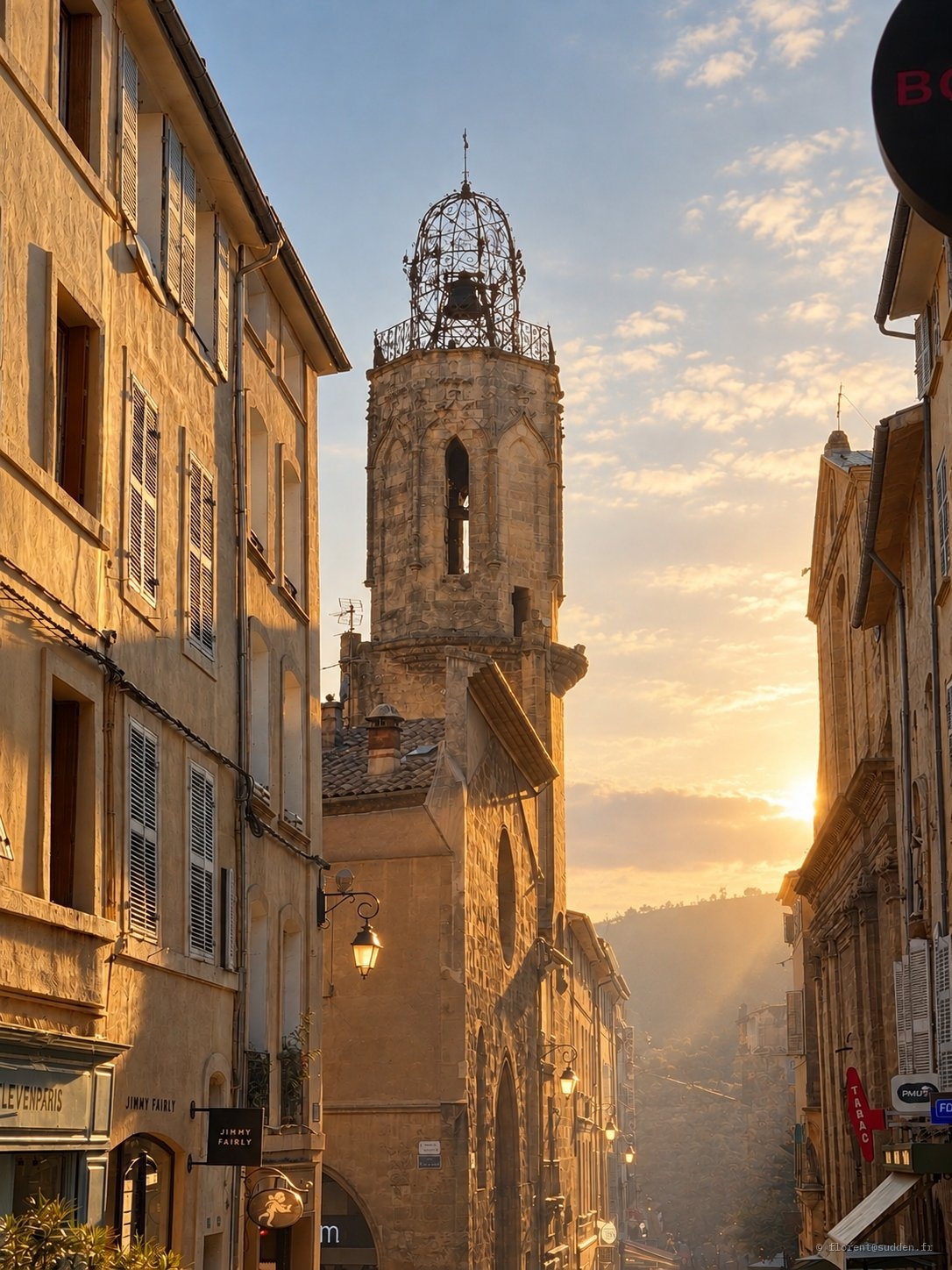
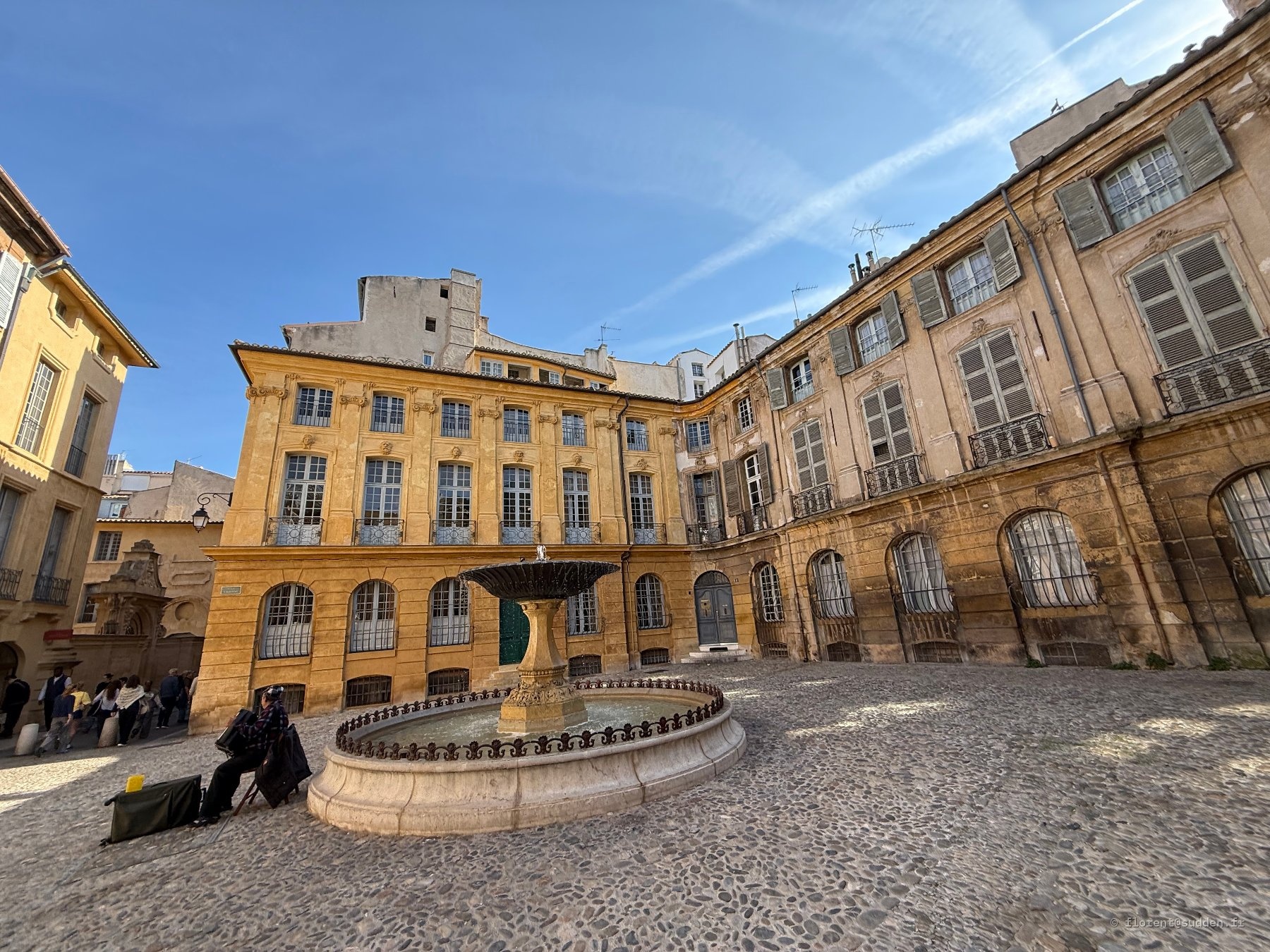
The true color of Aix is not the blue of its sky but the yellow of its walls.
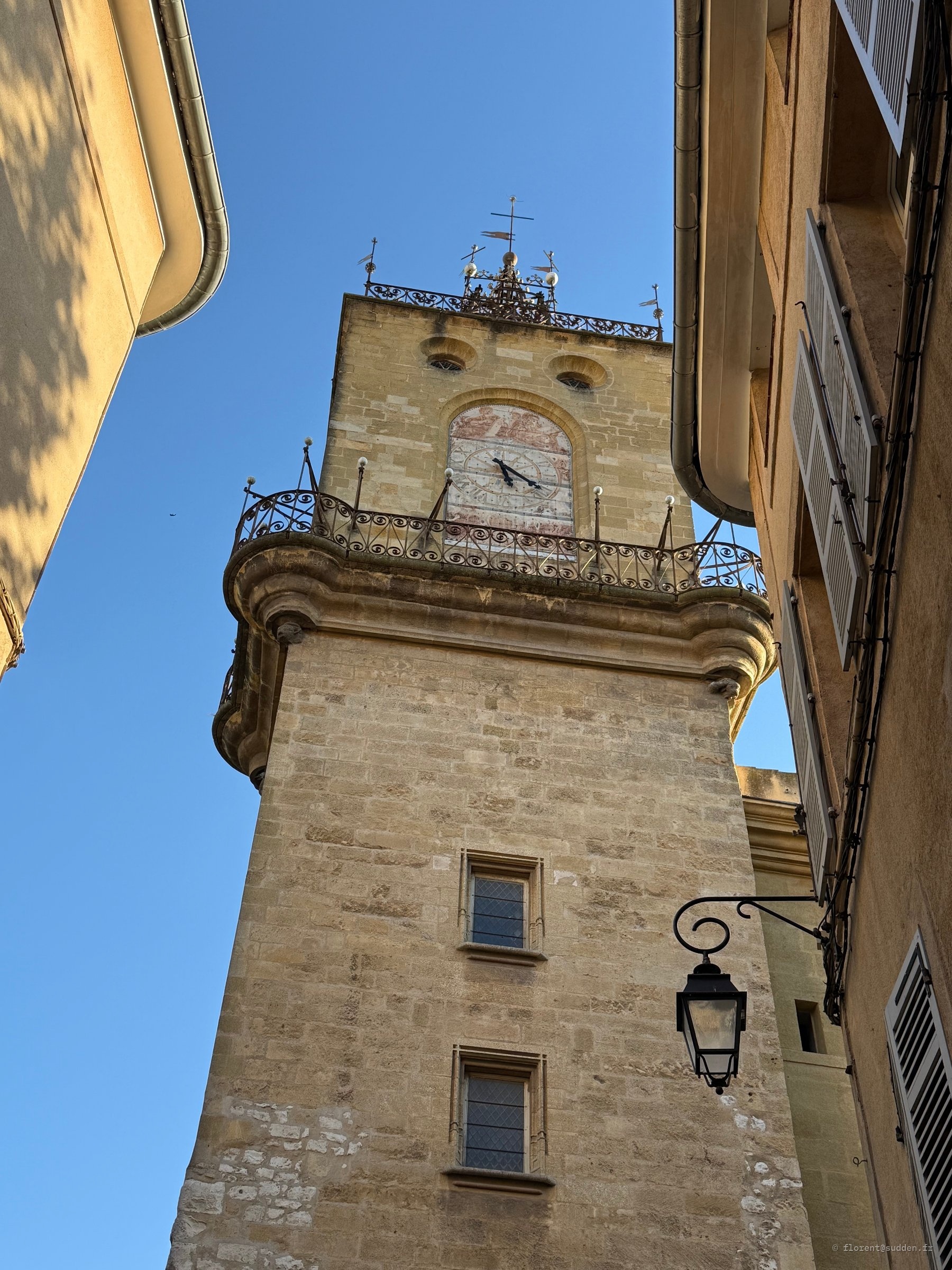
Much of this visual harmony comes from Rognes stone, whose warm nuances capture Provençal light and envelop the historic center in an almost unreal brilliance. At certain hours, the façades seem to have been painted with honey, sand and gold dust.
This light explains many things.
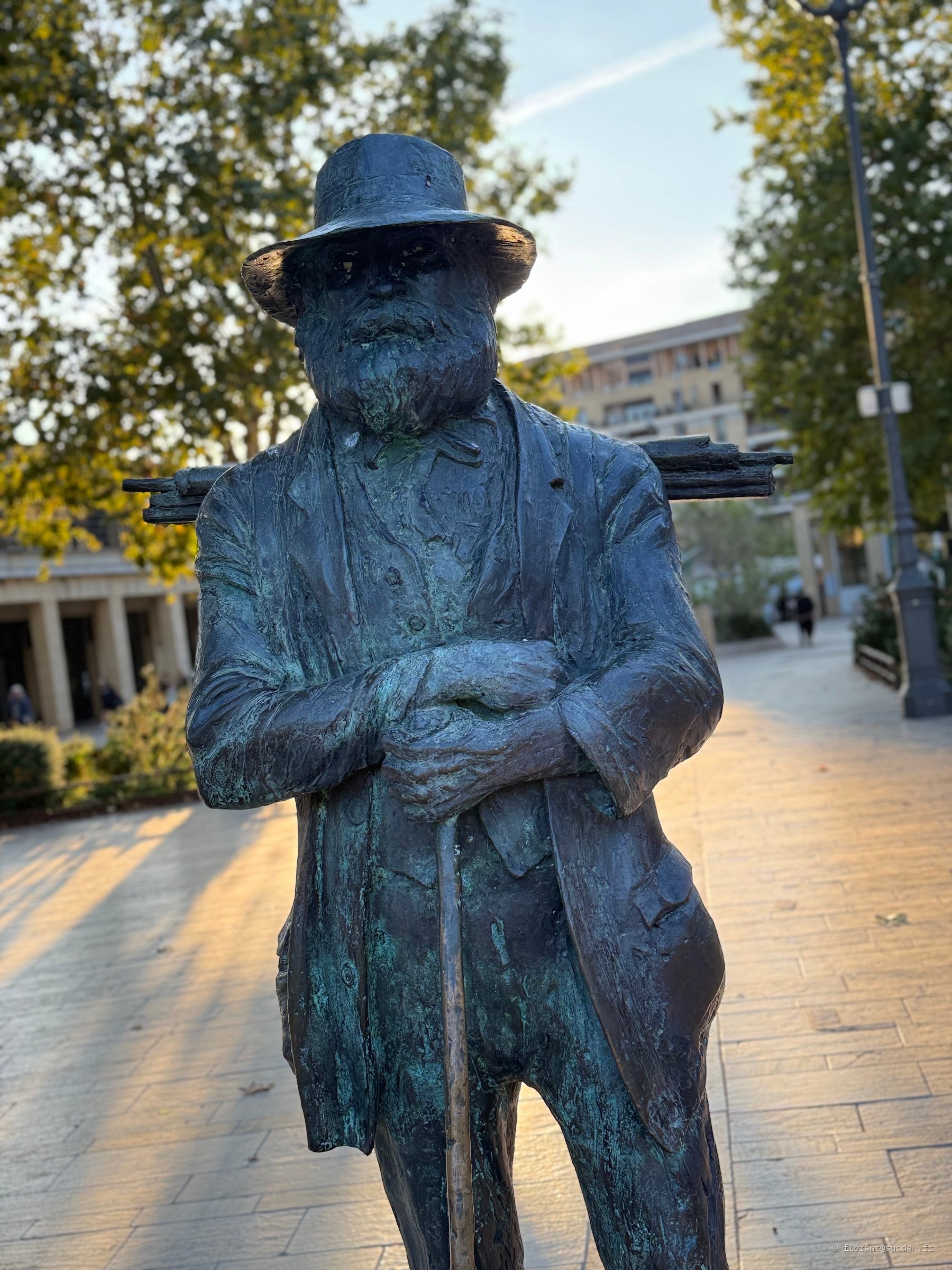
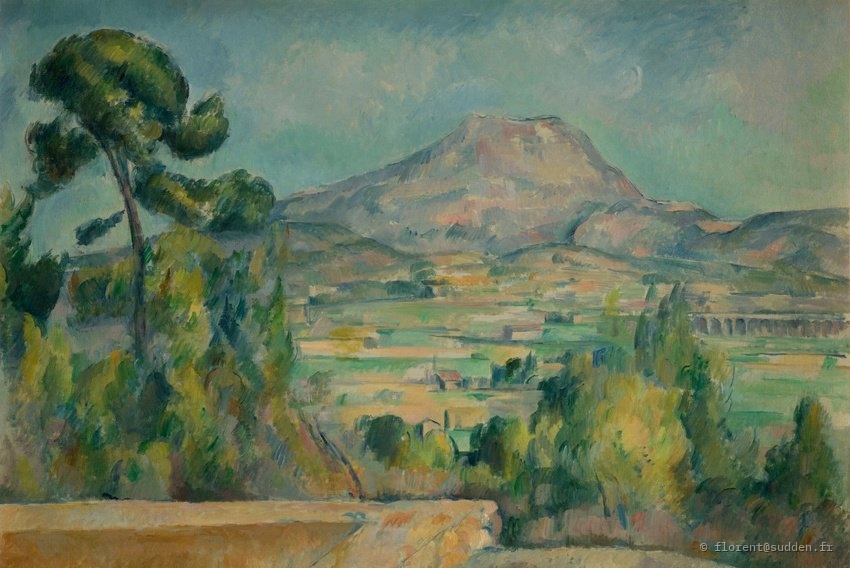
It explains why Cézanne kept returning to paint here.
It explains the inhabitants' attachment to their city.
It also explains why Aix sometimes looks at itself with such satisfaction.
Because when you live in such a setting, it becomes easy to believe that history has granted you special treatment.
Behind respectability, Provence
Aix loves to present itself as a great Provençal lady.
But behind the impeccable façades always hides the old mocking Provence.
The ribald sculptures, the symbols of fertility, certain architectural forms that tour guides evoke with a knowing smile remind us that the city is not merely a manual of bourgeois decorum. Beneath the academic veneer subsists a meridional temperament more free, more ironic and sometimes much more irreverent than one imagines.
As is often the case in Provence, seriousness is never far from pastiche.
The heirs of Plassans
To understand Aix, perhaps one must look less at the buildings than at the networks.
Because the city has long functioned on a simple principle: transmission.
Transmission of heritage.
Transmission of addresses.
Transmission of connections.
Transmission of social positions.
Transmission sometimes of power itself.
Corsican families, very present in Provençal elites for generations, participate fully in this local history where bonds of trust, circles of knowledge and ancient loyalties often play as important a role as the institutions themselves.
In Marseille, fortunes are made and unmade with impressive speed. The city absorbs waves of migration, constantly produces new faces and renews its elites.
In Aix, names circulate from generation to generation.
Change exists.
But it generally follows carefully marked paths.
The Joissains or the victory of continuity
It is in this context that one must observe the Joissains dynasty.
The subject far exceeds the individuals.
It tells something of the Aix temperament.
When Maryse Joissains was definitively sentenced in 2021 for illegal conflict of interest and embezzlement of public funds, many imagined the end of a political system in place for decades. Yet the city has never completely broken with this legacy. Convictions exist, controversies too, but a significant part of the electorate continues to look at this story through another prism: that of management, stability and defense of the Aix model.
In a certain way, the Joissains are perhaps the Provençal cousins of the Balkany.
Not because the situations would be identical.
But because they illustrate the same French paradox: the capacity of certain elected officials to retain a solid base of support despite legal affairs.
As if part of the electorate was answering:
"Yes, but look at the city."
Aix loves change, provided it changes nothing
This is doubtless the phrase that best sums up the city.
Aix loves new restaurants, contemporary galleries, festivals, international students, innovative concepts and discourses on modernity.
But Aix loves continuity even more.
The city readily celebrates movement as long as it does not threaten its equilibrium.
It welcomes novelties as long as they respect existing hierarchies.
It values progress as long as it does not overturn the foundations.
Zola had already seen everything.
He understood that Plassans functioned less as a city than as an organism charged with reproducing its own model.
The scandal is that it works
And this is where Aix's critics often find themselves in difficulty.
Because the city does indeed accumulate many of the defects traditionally attributed to the bourgeoisie: insularity, excessive caution, a certain social condescension, the weight of networks, mistrust of ruptures.
But it also produces what it promises.
Well-maintained streets.
Remarkable heritage.
An exceptional cultural offering.
Relatively high security.
A quality of life sought well beyond Provence.
In other words, the inhabitants have concrete arguments every day to defend a system that others view with skepticism.
This is the entire Aix paradox.
Zola felt cramped there and dreamed of Paris.
Today, thousands of French people dream of exactly the opposite.
They seek a house in Aix.
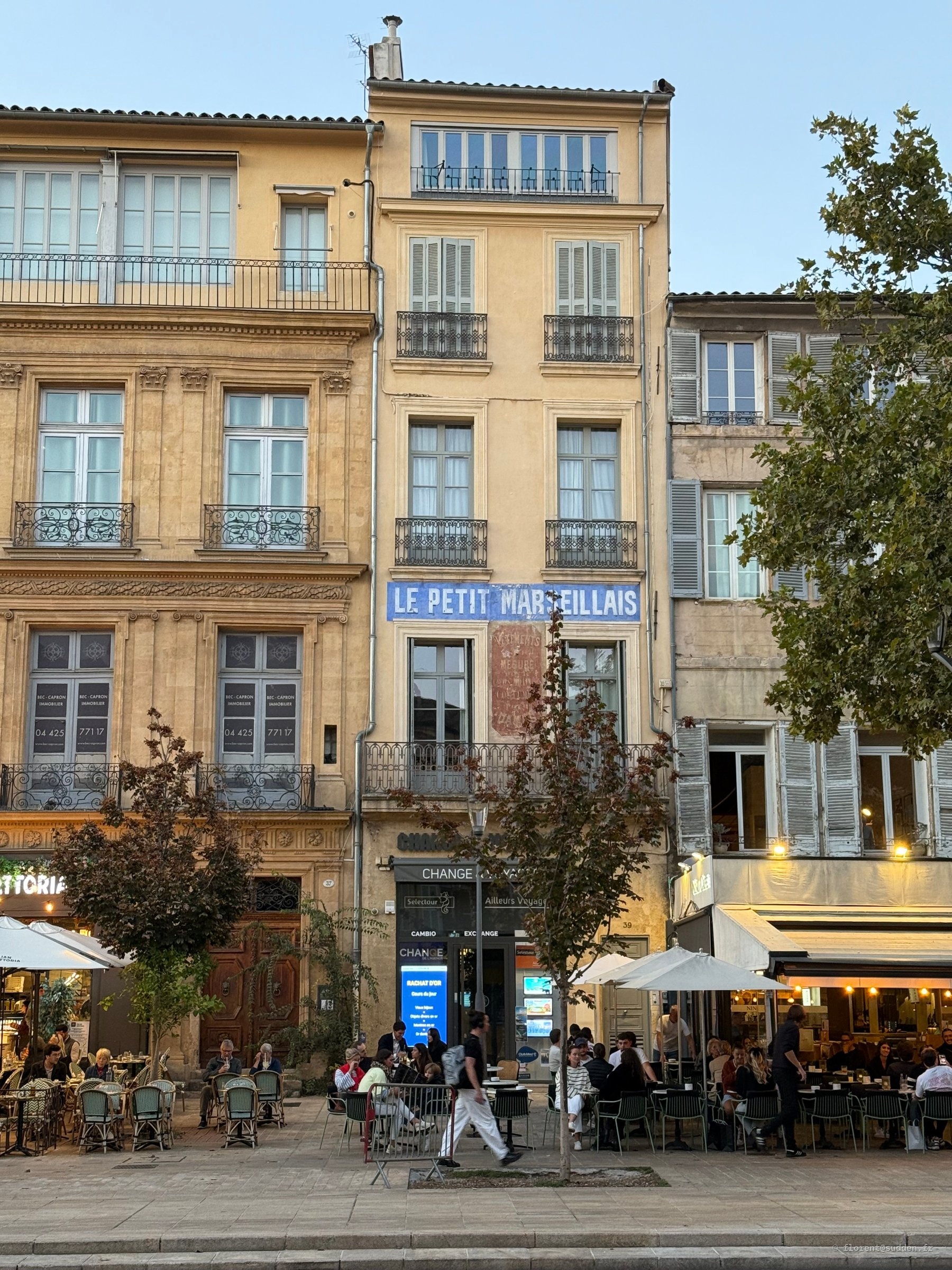
An apartment near the cours Mirabeau.
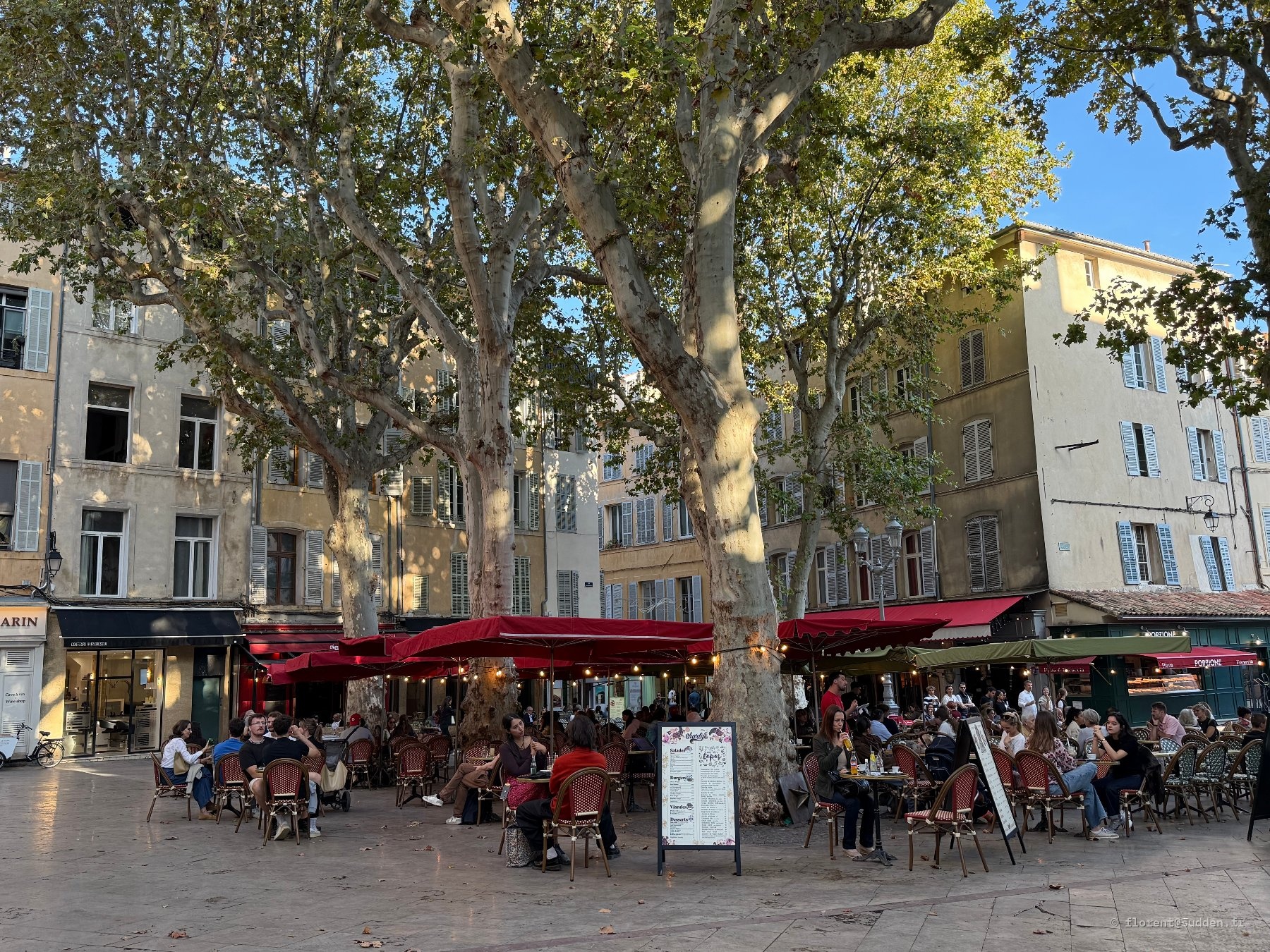
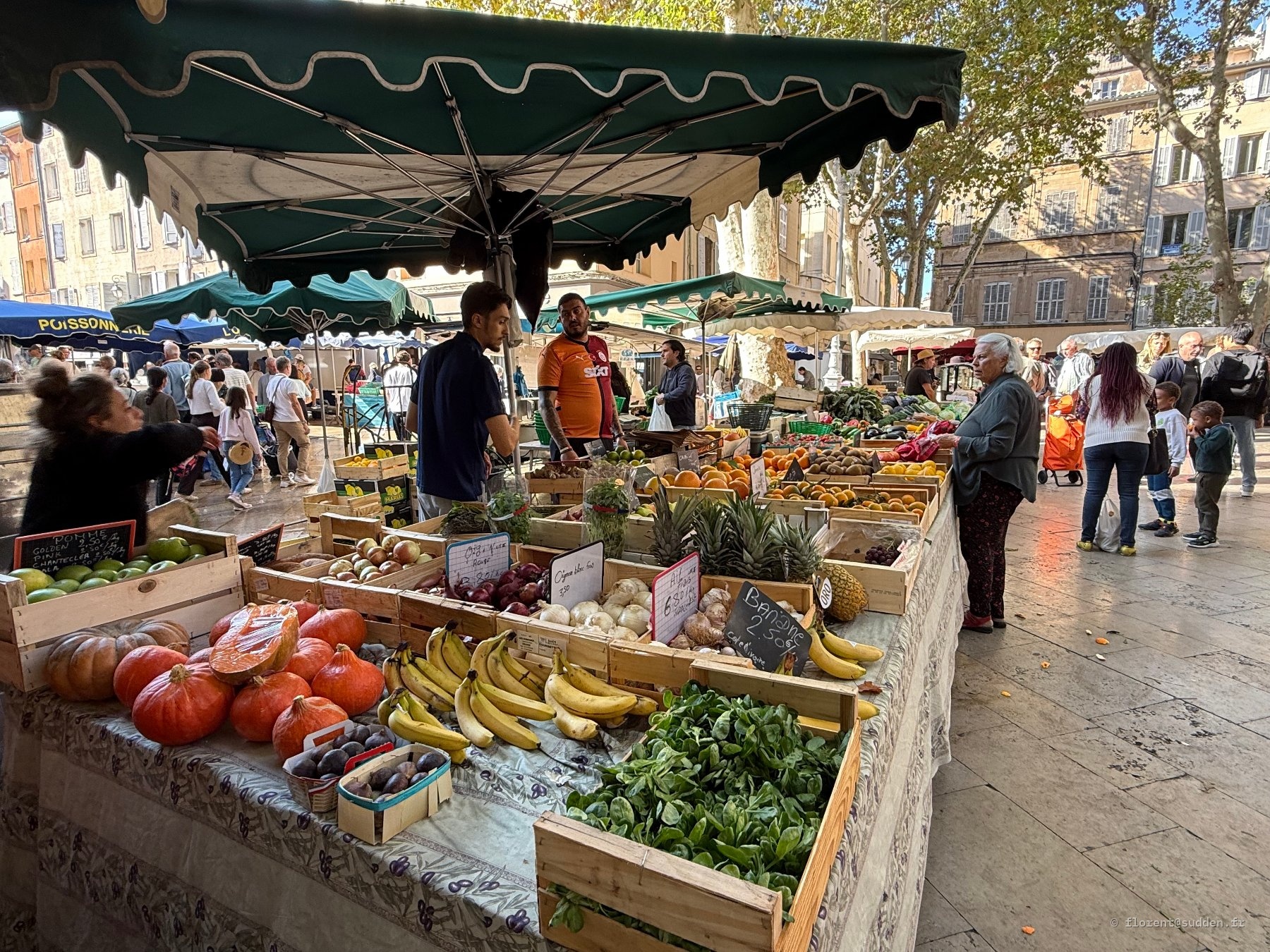
A terrace under the plane trees.
As if Plassans had finally won.
As if the old city of notables had become, with time, one of the most desirable forms of French sweet living.
And this is doubtless what most irritates its detractors: despite its sometimes excessive pretensions for a city of only a few tens of thousands of inhabitants, despite its immoderate taste for itself, despite its political dynasties, its networks and its certainties, Aix continues stubbornly to inspire the desire to live there.